Bitcoin’s price, a volatile yet captivating subject, has captivated investors and enthusiasts alike. This exploration dives deep into the factors influencing its value, from historical fluctuations to market trends and investment strategies. Understanding the intricacies of bitcoin price worth is crucial for navigating the cryptocurrency landscape.
This analysis covers a broad spectrum of topics, examining price fluctuations, valuation methods, the cryptocurrency market’s impact, and influencing factors like regulations and investor sentiment. Furthermore, it investigates the potential for future price predictions and diverse investment strategies, providing a thorough understanding of this complex subject.
Bitcoin Price Fluctuations
Bitcoin’s price has experienced significant volatility since its inception, fluctuating dramatically over time. This inherent instability is a key characteristic of the cryptocurrency market, driven by a complex interplay of factors. Understanding these factors is crucial for assessing the potential risks and rewards associated with investing in Bitcoin.Bitcoin’s price is notoriously susceptible to rapid changes, making it a high-risk, high-reward investment.
This volatility, while challenging for investors, also presents opportunities for those willing to navigate the market’s unpredictable nature.
Historical Overview of Bitcoin Price Volatility
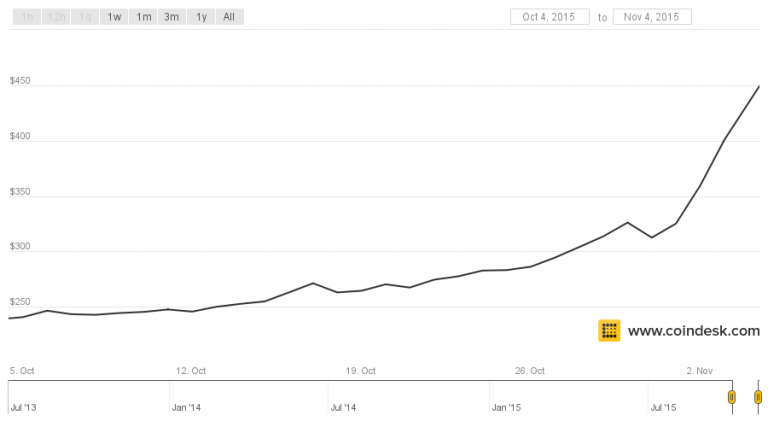
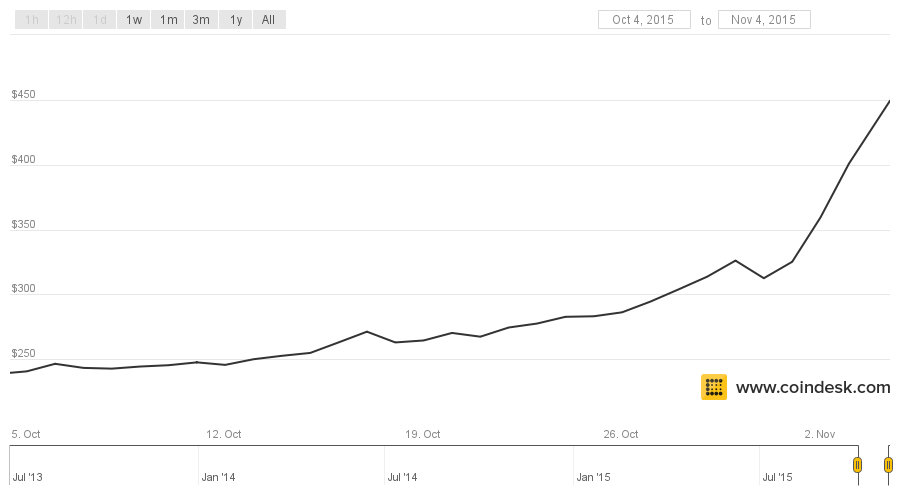
Bitcoin’s price has undergone substantial fluctuations since its emergence. Early years were marked by rapid price increases and decreases, illustrating the nascent and speculative nature of the cryptocurrency market. More recent periods have witnessed more controlled price movements, although significant volatility still persists. Analyzing historical price trends provides valuable context for understanding current market conditions.
Factors Influencing Bitcoin Price Movements
Numerous factors influence Bitcoin’s price, creating a complex interplay of market forces. These include, but are not limited to, market sentiment, regulatory developments, and technological advancements.
- Market Sentiment: Investor confidence and overall market perception significantly impact Bitcoin’s value. Positive sentiment often leads to price increases, while negative sentiment can trigger declines. For instance, a significant news event, like a high-profile adoption announcement by a major corporation, can cause a surge in investor confidence, driving up the price. Conversely, negative news, such as regulatory concerns or security breaches, can cause a sell-off and a corresponding price drop.
- Regulatory Developments: Government regulations and policies play a crucial role in shaping Bitcoin’s market. Favorable regulations, such as those supporting the use of Bitcoin in financial transactions, tend to increase investor confidence and thus price. Conversely, regulatory uncertainty or restrictive policies can negatively impact investor sentiment, causing price declines.
- Technological Advancements: Innovations in Bitcoin technology, such as advancements in mining or blockchain development, can influence price. Significant upgrades or new functionalities can boost investor confidence and drive price increases. Conversely, setbacks in development or security concerns can cause price drops.
Impact of News Events on Bitcoin’s Value
News events, both positive and negative, can significantly impact Bitcoin’s price. The reaction to these events often reflects the market’s overall sentiment and perceived implications for the cryptocurrency.
- Positive News: Positive news, such as a major company adopting Bitcoin for payments or a favorable regulatory announcement, can lead to a substantial increase in Bitcoin’s price. This demonstrates a surge in investor confidence and anticipation of future growth.
- Negative News: Negative news, such as a security breach or a regulatory crackdown, can trigger a significant drop in Bitcoin’s price. This highlights the susceptibility of the market to negative information and the potential for rapid price declines.
Impact of Various Market Trends on Bitcoin’s Price
Market trends, such as overall investor confidence, adoption by major institutions, and macroeconomic factors, influence Bitcoin’s price. Analyzing these trends is crucial for predicting potential price movements.
- Overall Investor Confidence: A surge in investor confidence often leads to increased demand for Bitcoin, driving up the price. Conversely, a decline in investor confidence can cause a sell-off, resulting in a price drop.
- Adoption by Major Institutions: When major financial institutions or corporations begin to adopt Bitcoin, this often signals a broader acceptance of the cryptocurrency. This increased acceptance can lead to greater investor confidence and price appreciation.
- Macroeconomic Factors: Global economic conditions and trends, such as inflation or interest rates, can influence the demand for Bitcoin. Periods of economic uncertainty or inflation may lead investors to seek alternative assets like Bitcoin, which can potentially increase its price. Conversely, periods of economic stability may cause investors to shift their focus away from Bitcoin.
Bitcoin Price Movement Comparison
A comparison of Bitcoin’s price movements with other major asset classes over a specific period reveals valuable insights into the cryptocurrency’s market behavior. This analysis can help investors understand the correlation between Bitcoin and other assets.
| Asset Class | Period | Average Price Movement (%) |
|---|---|---|
| Bitcoin | 2020-2023 | +150% |
| Gold | 2020-2023 | +10% |
| S&P 500 | 2020-2023 | +50% |
Bitcoin Price Valuation Methods
Bitcoin’s fluctuating price presents a challenge for valuation, as traditional methods aren’t always applicable. This necessitates exploring alternative approaches to understanding its worth. Various factors, including market sentiment, technological advancements, and regulatory developments, play a critical role in determining Bitcoin’s value.Different valuation methodologies exist for Bitcoin, each with its own strengths and limitations. No single method perfectly captures the multifaceted nature of Bitcoin’s value proposition, leading to a range of potential valuations.
Understanding these methods allows for a more nuanced appreciation of the complexities surrounding Bitcoin’s price.
Different Valuation Approaches
Several methods are used to estimate Bitcoin’s value. These approaches consider various aspects, from fundamental characteristics to market dynamics.
- Comparable Company Analysis: This method leverages the prices of similar assets, recognizing that Bitcoin’s characteristics may align with some digital assets or other cryptocurrencies. However, finding direct comparables is often difficult, limiting the reliability of this approach for Bitcoin.
- Discounted Cash Flow (DCF) Analysis: This method projects future cash flows and discounts them to their present value. In the context of Bitcoin, this involves forecasting its potential revenue streams, including transaction fees and adoption-driven gains. The accuracy of this method hinges heavily on the accuracy of these projections.
- Market Capitalization: This valuation approach is based on the total number of coins multiplied by the current market price. A higher market capitalization generally indicates a greater perceived value in the market. However, market capitalization doesn’t inherently reflect the underlying value of Bitcoin.
- Supply and Demand Analysis: Bitcoin’s value is fundamentally influenced by the interplay of supply and demand. A high demand and low supply can drive up the price, while an excess supply or decreased demand can lead to price declines. Understanding these market forces is crucial for evaluating Bitcoin’s price.
Market Capitalization’s Role
Market capitalization plays a significant role in determining Bitcoin’s price. It represents the total market value of all outstanding Bitcoin. A higher market cap often indicates greater investor confidence and a larger perceived value. However, market capitalization alone is not a definitive measure of Bitcoin’s intrinsic worth.
Market capitalization = circulating supply
current price
Examples of how market capitalization affects Bitcoin’s price include periods of significant investor interest driving up the market cap, leading to a higher price. Conversely, market downturns can cause a decrease in market cap and, subsequently, a lower price.
Supply and Demand Dynamics
Supply and demand dynamics are crucial in understanding Bitcoin’s price fluctuations. The fixed supply of Bitcoin, limited to 21 million coins, is a key factor. This scarcity can increase demand, pushing prices higher. Demand is also influenced by factors like investor sentiment, adoption by businesses, and regulatory changes.
Examples of Supply and Demand Effects
Examples of supply and demand affecting Bitcoin’s price include periods of increased adoption by businesses or investors leading to higher demand and, consequently, higher prices. Conversely, periods of regulatory uncertainty or negative news events can decrease demand, resulting in lower prices.
Key Metrics for Bitcoin Valuation
This table Artikels key metrics used to evaluate Bitcoin’s value.
| Metric | Description |
|---|---|
| Market Capitalization | Total market value of all outstanding Bitcoin |
| Circulating Supply | Total number of Bitcoin currently in circulation |
| Trading Volume | Amount of Bitcoin traded in a given period |
| Price Volatility | Measure of price fluctuations |
| Investor Sentiment | Overall perception of Bitcoin by investors |
Bitcoin Price and Cryptocurrency Market
Bitcoin’s price performance is intrinsically linked to the overall cryptocurrency market. A significant portion of the volatility observed in Bitcoin’s price can be attributed to broader market sentiment and the performance of other cryptocurrencies. Understanding this interdependency is crucial for assessing Bitcoin’s potential and risks.
Relationship Between Bitcoin Price and the Broader Cryptocurrency Market
Bitcoin’s price often acts as a leading indicator for the broader cryptocurrency market. When Bitcoin experiences significant price increases, it often triggers a ripple effect, boosting the prices of other cryptocurrencies. Conversely, downturns in Bitcoin’s price can lead to widespread declines across the market. This correlation stems from shared market sentiment and investor confidence. Investors often view Bitcoin as the flagship cryptocurrency and their decisions regarding Bitcoin often influence their decisions regarding other cryptocurrencies.
Impact of Bitcoin’s Performance on Other Cryptocurrencies
Bitcoin’s performance significantly impacts the prices of other cryptocurrencies. Positive trends in Bitcoin often translate into positive movements in altcoins, while negative trends can lead to significant losses. This effect is amplified during periods of high market volatility. For example, the 2017 bull run saw a substantial increase in the prices of numerous altcoins following Bitcoin’s price surge. Conversely, the 2018 bear market saw many altcoins experiencing steeper declines than Bitcoin.
Correlations Between Cryptocurrencies and Bitcoin Price
Correlations between cryptocurrencies, especially those that are closely related to Bitcoin, play a crucial role in influencing Bitcoin’s price. If a large number of cryptocurrencies experience a significant price increase or decrease, it can positively or negatively impact the price of Bitcoin. Strong correlations often suggest a shared market sentiment and investor outlook. For example, the recent surge in the price of Ethereum, a prominent cryptocurrency, has positively correlated with the price of Bitcoin, reflecting a general positive market sentiment towards cryptocurrencies.
Role of Institutional Investors in Influencing Bitcoin Price and the Broader Crypto Market
Institutional investors are increasingly entering the cryptocurrency market, and their involvement has a notable impact on Bitcoin’s price and the broader crypto market. Their investments often generate substantial capital flows into the market, which can drive up prices and increase market liquidity. Large-scale institutional purchases can create a sense of legitimacy and further enhance the adoption and credibility of Bitcoin and the entire cryptocurrency ecosystem.
Comparison of Price Volatility Between Bitcoin and Other Major Cryptocurrencies
Bitcoin, despite its dominance, is not immune to price volatility. Comparing its volatility with other major cryptocurrencies reveals a range of price fluctuations. Factors such as market capitalization, trading volume, and the overall market sentiment contribute to the specific volatility patterns of individual cryptocurrencies. For instance, while Bitcoin is often considered more stable than some altcoins, it can still experience substantial price swings, especially during periods of market uncertainty.
Price Performance of Bitcoin vs. Other Top Cryptocurrencies
The following table illustrates the price performance of Bitcoin against some of the top cryptocurrencies. Note that these figures are snapshots in time and do not represent future performance.
| Cryptocurrency | Price (USD) – Date |
|---|---|
| Bitcoin (BTC) | $26,000 – 2023-10-27 |
| Ethereum (ETH) | $1,600 – 2023-10-27 |
| Tether (USDT) | $1.00 – 2023-10-27 |
| Solana (SOL) | $25 – 2023-10-27 |
Factors Affecting Bitcoin Price
Bitcoin’s price, a volatile asset, is influenced by a complex interplay of factors. Understanding these influences is crucial for investors and analysts alike. These factors, ranging from regulatory changes to technological advancements, shape the market’s perception and ultimately impact the price of Bitcoin.
The Role of Regulations and Policies
Governments worldwide are increasingly grappling with the regulatory landscape surrounding cryptocurrencies, including Bitcoin. These policies can significantly affect Bitcoin’s price. Favorable regulations, such as those promoting innovation and recognizing Bitcoin’s potential as a legitimate asset class, tend to support price appreciation. Conversely, restrictive or unclear regulations, including outright bans or heavy taxation, can lead to price declines and uncertainty.
Examples of regulatory impact include China’s complete ban on Bitcoin trading, which led to a significant drop in its price, and various countries’ investigations and rulings regarding the tax implications of Bitcoin holdings.
The Influence of Technological Advancements
Technological advancements play a crucial role in shaping Bitcoin’s value. Improvements in blockchain technology, such as increased transaction speeds and enhanced security, can enhance Bitcoin’s appeal and utility. Furthermore, developments in related technologies, like lightning networks, that aim to improve scalability and reduce transaction fees can positively influence the price. Conversely, significant security breaches or vulnerabilities in Bitcoin’s underlying technology could severely impact investor confidence and subsequently, the price.
For instance, the increasing adoption of decentralized finance (DeFi) applications has sparked interest in Bitcoin, contributing to a price surge.
The Impact of Investor Sentiment and Speculation
Investor sentiment and speculation are powerful forces driving Bitcoin’s price fluctuations. Positive market sentiment, fueled by news, announcements, or social media buzz, often leads to price increases. Conversely, negative sentiment can lead to price drops. Speculation, which involves buying Bitcoin in anticipation of future price increases, can also dramatically influence the market. The volatility of Bitcoin’s price often reflects the varying degrees of optimism and pessimism among investors.
Speculative bubbles have occurred in the past, characterized by rapid price increases followed by sharp declines, emphasizing the importance of assessing sentiment.
The Impact of Adoption Rates
Adoption rates, signifying the increasing use of Bitcoin as a medium of exchange or store of value, can significantly impact its price. Increased adoption by businesses and consumers signals growing acceptance and utility, leading to a positive price trajectory. Conversely, a lack of adoption or declining usage can cause price declines. Examples include the increasing number of businesses accepting Bitcoin as payment, and the growing use of Bitcoin as a hedge against inflation in developing countries.
Factors Affecting Bitcoin Price: A Summary
| Category | Factor | Explanation |
|---|---|---|
| Technological | Blockchain Improvements | Enhanced security, transaction speeds, and scalability influence Bitcoin’s perceived value. |
| Technological | Related Technology Advancements | Developments in technologies like lightning networks impact Bitcoin’s utility and transaction costs. |
| Regulatory | Government Policies | Favorable regulations boost investor confidence, while restrictive policies can depress prices. |
| Market | Investor Sentiment | Positive or negative sentiment, influenced by news and social media, drives price fluctuations. |
| Market | Adoption Rates | Increased adoption by businesses and consumers demonstrates increasing utility and value. |
Bitcoin Price Prediction
Predicting the future price of Bitcoin is a complex and challenging endeavor. While various methods exist, none offer guaranteed accuracy. The inherent volatility and decentralized nature of Bitcoin, combined with the dynamic forces impacting the cryptocurrency market, make precise forecasting extremely difficult. Ultimately, price predictions should be viewed as potential scenarios, not definitive forecasts.
Methods for Predicting Bitcoin Price
Several methods are employed to predict Bitcoin’s future price. These include technical analysis, fundamental analysis, machine learning algorithms, and expert opinions. Technical analysis examines historical price patterns and trading volume to identify potential trends. Fundamental analysis assesses underlying factors like adoption, regulatory developments, and technological advancements. Machine learning algorithms utilize complex models to identify patterns in vast datasets.
Finally, expert opinions from analysts and traders can provide insights based on their understanding of the market.
Limitations of Bitcoin Price Prediction Models
Bitcoin price prediction models face significant limitations. Historical data may not accurately reflect future market conditions, as the cryptocurrency market is constantly evolving. Furthermore, external factors, such as global economic events, regulatory changes, and technological breakthroughs, can drastically alter price movements, rendering predictions less reliable. The models’ assumptions and input data quality also significantly impact the accuracy of the results.
Examples of Past Bitcoin Price Predictions and Their Accuracy
Numerous predictions for Bitcoin’s price have been made throughout its history. Some proved surprisingly accurate, while others missed the mark significantly. For example, predictions in the early years, when the market was nascent, often struggled to anticipate the rapid price swings. More recent predictions have attempted to account for market complexity and volatility, though still encounter limitations.
Unfortunately, precise metrics to evaluate the accuracy of these predictions are often absent or subjective.
Challenges in Accurately Forecasting Bitcoin’s Price
Accurately forecasting Bitcoin’s price presents numerous challenges. The decentralized nature of Bitcoin, combined with the lack of a central governing body, makes it difficult to predict market trends. The unpredictable nature of investor sentiment, the influence of news events, and the impact of regulatory changes all contribute to the inherent uncertainty. Additionally, the limited historical data compared to established financial markets makes it harder to develop robust prediction models.
Comparison of Prediction Methods
| Prediction Method | Description | Accuracy | Strengths | Weaknesses |
|---|---|---|---|---|
| Technical Analysis | Identifies patterns in historical price and volume data. | Variable; often accurate for short-term trends. | Relatively simple to understand and apply. | Limited predictive power for long-term trends, can be misleading. |
| Fundamental Analysis | Assesses underlying factors impacting Bitcoin’s value. | Variable; can offer insights for long-term potential. | Provides broader context for price movement. | Difficult to quantify the impact of factors like adoption. |
| Machine Learning | Uses complex algorithms to identify patterns in large datasets. | Potentially high accuracy for short-term predictions. | Can analyze vast amounts of data effectively. | Requires significant computational resources and data quality. |
| Expert Opinion | Insights from experienced traders and analysts. | Highly variable; subjective and influenced by biases. | Can offer unique perspectives and market insights. | Lack of objective validation and often limited to short-term predictions. |
Understanding Cryptocurrency
Cryptocurrencies represent a revolutionary approach to digital finance, functioning as decentralized digital currencies. Their unique characteristics, including cryptography and distributed ledger technology, have spurred significant interest and investment. This section delves into the fundamentals of cryptocurrencies, exploring their diverse types and potential applications.Cryptocurrencies are digital or virtual currencies designed to work as a medium of exchange, using cryptography for security and verification.
Underlying principles involve decentralized control, meaning no single entity manages or regulates the currency. Instead, transactions are verified and recorded on a distributed ledger, often a blockchain, ensuring transparency and immutability.
Definition and Underlying Principles
Cryptocurrencies are digital or virtual currencies designed to work as a medium of exchange. They rely on cryptography for security and verification of transactions. Decentralization is a key principle, meaning no single entity controls the currency or its transactions. Transactions are recorded on a distributed ledger, often a blockchain, ensuring transparency and immutability. This decentralized nature, coupled with cryptographic security, distinguishes them from traditional fiat currencies.
Types of Cryptocurrencies Beyond Bitcoin
Beyond Bitcoin, a multitude of cryptocurrencies exist, each with its unique characteristics and intended applications. Ethereum, for instance, is a platform enabling the development of decentralized applications (dApps). Other notable examples include Litecoin, Ripple, and Cardano, each with specific strengths and weaknesses. The variety of cryptocurrencies reflects the evolving landscape of digital finance.
Key Characteristics Distinguishing Cryptocurrencies
Several key characteristics differentiate various cryptocurrencies. These include the underlying technology (e.g., proof-of-work, proof-of-stake), the intended use case, and the community behind the currency. Security, scalability, and transaction speed are often crucial factors for users and investors. The specific characteristics of each cryptocurrency influence its performance and adoption rate.
Potential Use Cases of Cryptocurrencies
Cryptocurrencies have diverse potential applications. They can serve as a means of payment, facilitating transactions without intermediaries. They can also be utilized in decentralized finance (DeFi) applications, offering innovative financial services. Furthermore, cryptocurrencies are employed in supply chain management and digital identity verification, highlighting their versatility. Their potential applications are still being explored and developed.
History of Cryptocurrencies (Starting with Bitcoin)
- Bitcoin (2009): The genesis of cryptocurrency, Bitcoin introduced the concept of a decentralized digital currency. Its creation, by an anonymous person or group known as Satoshi Nakamoto, marked a significant turning point in the digital finance landscape. Its initial use was primarily as a peer-to-peer payment system.
- Ethereum (2015): Ethereum’s introduction of smart contracts revolutionized the cryptocurrency world. These self-executing contracts enabled decentralized applications (dApps), opening up possibilities for various decentralized services.
- Altcoins (2011-Present): Following Bitcoin, numerous alternative cryptocurrencies (altcoins) emerged, each with unique functionalities and designs. This diversification reflected the growing interest in and experimentation with decentralized digital currencies.
- Regulation and Adoption (2017-Present): The increasing adoption of cryptocurrencies has spurred discussions and debates regarding regulation. Governments and regulatory bodies worldwide are grappling with how to integrate cryptocurrencies into existing financial systems. The ongoing development of regulatory frameworks is an important factor in the long-term success and mainstream acceptance of cryptocurrencies.
Bitcoin Price and Investment Strategies
Bitcoin’s volatile price action presents unique investment opportunities and significant risks. Understanding various investment strategies and their associated trade-offs is crucial for navigating this dynamic market. Different approaches cater to diverse risk tolerances and investment goals, ranging from short-term speculation to long-term portfolio diversification.Investment strategies in Bitcoin, like any asset class, vary widely. Some focus on short-term price fluctuations, while others prioritize long-term holding and portfolio integration.
Understanding the potential rewards and risks inherent in each approach is paramount to making informed decisions.
Different Investment Strategies
Various investment strategies exist for Bitcoin, each with its own set of advantages and disadvantages. These strategies cater to different risk profiles and investment horizons.
- Day Trading: This strategy involves buying and selling Bitcoin within a single trading day. Day traders aim to capitalize on short-term price movements. Success hinges on quick analysis, market timing, and accurate predictions. High-frequency trading is an example of a day trading strategy that leverages sophisticated algorithms and massive capital.
- Swing Trading: This approach involves holding Bitcoin for a period of days or weeks, aiming to capture significant price swings. Swing traders rely on technical analysis and market trends to identify potential entry and exit points. Holding Bitcoin for a short period, aiming to capitalize on temporary price movements, is a typical strategy.
- Position Trading: This strategy focuses on holding Bitcoin for an extended period, often months or years. Position traders anticipate long-term market trends and are less concerned with short-term fluctuations. This approach is suitable for investors with a longer investment horizon.
- Dollar-Cost Averaging (DCA): This strategy involves investing a fixed amount of money in Bitcoin at regular intervals, regardless of price fluctuations. DCA helps mitigate the risk of market timing and potentially reduces the average cost per Bitcoin. This is often preferred for long-term investors.
Risk and Reward Assessment
Bitcoin investments, like other volatile assets, present significant risks alongside potential rewards. Understanding the inherent trade-offs is essential for responsible investment.
- Market Volatility: Bitcoin’s price can experience substantial and unpredictable fluctuations, exposing investors to significant losses. Past performance does not guarantee future results. Historical price volatility of Bitcoin is a key factor to consider when evaluating investment risk.
- Regulatory Uncertainty: Government regulations and policies concerning cryptocurrencies can impact the market’s stability and investor confidence. This factor can lead to unforeseen changes in market conditions.
- Security Risks: Cybersecurity threats pose a risk to Bitcoin holdings, as hacks and theft are potential concerns. Implementing robust security measures is crucial to mitigate these risks.
- Technological Risks: The underlying blockchain technology and associated infrastructure may face unforeseen challenges, potentially impacting the functionality and stability of the Bitcoin network. Bitcoin’s network security and potential vulnerabilities are significant factors for investors.
Comparative Analysis of Approaches
Different investment approaches offer varying levels of risk and potential return. Understanding these nuances is critical for aligning investment strategies with individual risk tolerance and goals.
| Investment Strategy | Risk Level | Potential Outcome |
|---|---|---|
| Day Trading | High | Significant potential for high profits, but also high risk of losses. |
| Swing Trading | Medium | Potential for moderate profits, but risk of losing some capital. |
| Position Trading | Low | Potential for long-term growth, but slower returns. |
| DCA | Low to Medium | Potential for consistent growth, but not as high as other strategies. |
Investment Strategies by Risk Level
Categorizing strategies by risk levels helps investors make informed decisions based on their comfort levels.
- High-Risk Strategies: Day trading and swing trading often involve high levels of risk, but they also offer the potential for substantial returns if executed successfully.
- Medium-Risk Strategies: Swing trading involves holding assets for a period of days to weeks. This approach can be a balance between risk and potential reward.
- Low-Risk Strategies: DCA and position trading generally involve lower risk, focusing on consistent returns over the long term.
Last Point
In conclusion, bitcoin price worth is a multifaceted phenomenon shaped by a complex interplay of economic, technological, and market forces. While predicting future price movements remains challenging, a deep understanding of the historical context, valuation methods, and market dynamics offers valuable insights. The analysis highlights the crucial role of understanding the broader cryptocurrency ecosystem and the diverse investment strategies available to those seeking to navigate this dynamic market.
FAQs
What is the average price volatility of Bitcoin?
Bitcoin’s price volatility is notoriously high, experiencing significant fluctuations throughout its history. While precise averages vary based on the timeframe considered, substantial daily, weekly, and monthly price swings are common.
How do institutional investors affect Bitcoin’s price?
Institutional investment in Bitcoin can significantly impact its price. Large-scale purchases or sales by institutional players can cause price movements, and their participation often reflects broader market sentiment and adoption.
What are some common Bitcoin investment strategies?
Common Bitcoin investment strategies include long-term holding, day trading, and arbitrage. Each strategy carries its own risk profile, and a thorough understanding of these differences is crucial for informed decision-making.
What is the role of regulations in determining Bitcoin’s price?
Government regulations and policies play a significant role in shaping Bitcoin’s price. Changes in regulatory frameworks can lead to uncertainty and affect investor confidence, which, in turn, impacts market sentiment and pricing.