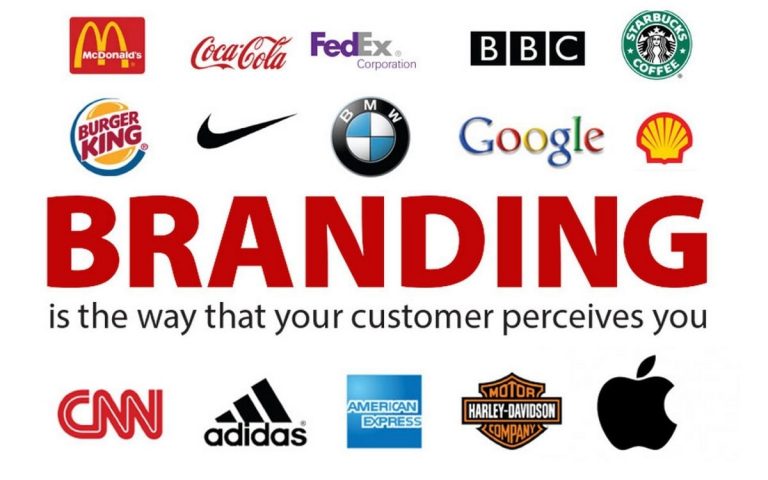
branding youtube is not just a buzzword; it’s the heart of every successful channel. In a crowded digital landscape, establishing a distinct brand identity sets content creators apart, making their work instantly recognizable and relatable to their audience. This guide will explore the vital components of effective branding, from visual elements to audience engagement strategies.
As we delve into the various aspects of branding on YouTube, we will uncover how visual branding elements like channel art and logos work in tandem with content strategies to create a cohesive identity. We will also discuss the importance of audience feedback and the evolving nature of branding in response to trends and analytics, equipping you with the tools needed to thrive.
Understanding Branding on YouTube
Branding on YouTube involves creating a recognizable identity that reflects a creator’s values, style, and content. This identity extends beyond visuals and colors; it encompasses the overall experience that viewers have when they engage with a channel. In today’s competitive landscape, a well-defined brand can significantly impact a creator’s ability to attract and retain an audience.Establishing a unique brand identity is crucial for content creators on YouTube because it differentiates them from the vast sea of channels available.
A strong brand helps in building trust and loyalty among viewers, encouraging them to subscribe and engage with the content. When creators exemplify a clear brand message, they enhance their attractiveness to potential sponsors and collaborators, ultimately increasing their monetization opportunities.
Key Elements of Effective Branding on YouTube
Several components contribute to effective branding on YouTube. Understanding these elements can empower creators to build a cohesive and engaging presence on the platform. One of the foundational elements is the visual identity, which includes the channel logo, thumbnail designs, and color schemes. A consistent visual identity helps viewers instantly recognize the creator’s content, establishing familiarity and professionalism. Additionally, the choice of visuals should reflect the channel’s theme and target audience.Another crucial element is the channel description and bio.
This text should succinctly convey what the channel is about, the type of content viewers can expect, and the creator’s unique selling proposition. A well-crafted bio not only enhances searchability but also sets the tone for potential subscribers.Furthermore, content style and tone play a significant role in branding. The creator’s voice, humor, and presentation style contribute to the overall brand experience. For instance, a creator focusing on educational content may adopt a more formal tone, while a lifestyle vlogger might lean towards a casual, friendly approach.
This consistency ensures that viewers know what to expect and can relate better to the content.Another important aspect of branding is the engagement strategy. Building a community involves interacting with viewers through comments, social media, and live streams. This engagement fosters a sense of belonging among subscribers, reinforcing brand loyalty.Finally, the use of branding elements in video content, such as watermarks, outro screens, and branded merchandise, can enhance recognition.
These elements serve as reminders of the brand and encourage viewers to support the creator beyond just watching videos.In conclusion, effective branding on YouTube is a multifaceted endeavor that combines visual identity, channel descriptions, content style, engagement strategies, and branding elements within videos. By focusing on these key areas, content creators can develop a robust brand that resonates with their audience and stands out in a crowded marketplace.
Visual Branding Elements
Creating a powerful brand image on YouTube requires meticulous attention to visual branding elements. These components, including channel art and logos, are the first points of interaction for viewers and play a significant role in cementing a channel’s identity. They convey the essence of the content and create an emotional connection with the audience, which is crucial for fostering loyalty and engagement.Channel art and logos are the foundation of a channel’s visual identity.
A well-designed logo captures the essence of the brand and makes it easily recognizable. Channel art, on the other hand, provides a broader context, showcasing the channel’s theme, personality, and style. Both elements should reflect the content’s tone and the target audience’s preferences, ensuring a cohesive and professional appearance.
Significance of Channel Art and Logos
The importance of channel art and logos cannot be overstated; they serve as the visual representation of the brand. A strong logo and captivating channel art can make a lasting impression. Below are key aspects that highlight their significance:
- First Impressions: Viewers often decide whether to subscribe based on the initial visual appeal of the channel.
- Brand Recognition: A consistent logo and art style reinforce brand identity across various platforms.
- Information Conveyance: Channel art can quickly communicate the type of content viewers can expect, helping to attract the right audience.
- Professionalism: High-quality visuals contribute to the perception of credibility and expertise in the content area.
Examples of Successful YouTube Channel Branding Styles
Several YouTube channels exemplify effective branding strategies through their visual elements. These channels have leveraged unique styles that resonate with their audiences, creating a strong brand identity:
- 5-Minute Crafts: Known for vibrant and colorful thumbnails, their branding is bright and playful, attracting a wide demographic.
- PewDiePie: His logo is simple yet recognizable, and the channel art reflects his personality, making it relatable to fans.
- TED: The clean and minimalist branding emphasizes intellectual content, communicating professionalism and thought leadership.
- Michelle Phan: Her aesthetic branding combines soft colors and elegant fonts, matching her beauty and lifestyle content.
Designing Cohesive Thumbnails
Thumbnails play a crucial role in attracting viewers and should consistently reflect the brand identity. A well-designed thumbnail not only draws attention but also reinforces the channel’s visual theme. To create cohesive thumbnails, consider the following methods:
- Consistent Color Palette: Use a specific set of colors across all thumbnails to build familiarity among viewers.
- Uniform Typography: Select fonts that align with the brand’s style and maintain consistency in size and placement.
- Brand Logo Integration: Include a small version of the logo in each thumbnail to enhance recognition.
- Visual Hierarchy: Ensure that the main subject of the thumbnail is prominent, with additional text or elements supporting the primary focus.
“Visual elements are not just decorations; they’re essential components of communication that convey your brand’s message.”
Content Strategy and Branding
Establishing a strong content strategy is essential for effective branding on YouTube. A well-defined approach not only amplifies your brand message but also resonates with your audience, creating an emotional connection that leads to loyalty. This synergy between content and branding is crucial for long-term success on the platform.
Relationship between Content Themes and Brand Messaging
The selection of content themes directly influences how your brand is perceived. Each theme should reflect your brand’s identity, values, and mission. By consistently aligning your content topics with your brand messaging, you can create a coherent narrative that resonates with viewers. For instance, if your brand focuses on sustainability, your content should revolve around eco-friendly practices, products, and lifestyle choices.
This alignment reinforces your brand identity while attracting an audience that shares similar values.
“Content that aligns with your brand values fosters trust and loyalty among your audience.”
Aligning Video Content with Brand Values
To effectively align your video content with your brand values, consider the following steps:
1. Identify Core Values
Clearly define your brand’s core values and mission statement. This foundation will guide your content creation.
2. Develop Content Themes
Choose themes for your videos that represent your brand’s values. This could be educational, entertaining, or inspirational content that communicates your message.
3. Create a Content Calendar
Plan your video releases around your identified themes. A content calendar helps maintain consistency and ensures that your messaging is deliberate and strategic.
4. Engage with Your Audience
Actively seek feedback from your viewers regarding the content. This engagement can help you refine your strategy and align it more closely with audience expectations and brand messaging.
“Feedback is the compass that guides your content strategy toward your audience’s needs.”
Impact of Consistent Video Formatting on Brand Recognition
Consistent video formatting plays a significant role in brand recognition. When viewers can easily identify your videos based on style, graphics, and presentation, it reinforces your brand image. The following elements are crucial for creating a recognizable format:
Thumbnail Design
Use consistent colors, fonts, and imagery that reflect your brand identity. This visual cue helps viewers instantly recognize your content amidst a sea of videos.
Intro and Outro
Incorporate a branded intro and outro that encapsulates your brand essence. These elements should be brief yet memorable, setting the tone for your videos.
Visual Style
Maintain a uniform visual style throughout your videos, including color schemes, graphics, and overlays. This consistency contributes to a cohesive viewing experience that strengthens brand recall.
Tone and Language
Use a consistent tone and language style in your scripts. Whether casual or formal, this consistency helps to build a recognizable voice for your brand.
“Visual and auditory consistency is the bedrock of brand recognition on YouTube.”
By carefully crafting your content strategy to align with brand values and maintaining consistent video formatting, you create an engaging and recognizable brand presence on YouTube that resonates with your target audience.
Audience Engagement and Branding
Building a strong brand on YouTube goes beyond just content creation; it’s about fostering a community that resonates with your brand identity. Audience engagement plays a critical role in solidifying brand loyalty and creating a space where viewers feel valued and heard. Engaging your audience effectively can transform casual viewers into ardent supporters who amplify your brand message.Strategies for building a community around a brand on YouTube involve creating an inclusive environment where viewers can interact and share their thoughts.
One essential aspect is fostering a sense of belonging among your audience. This can be achieved through regular interactions, personalized content, and active participation in discussions.
Building Community Engagement
Creating a community around your brand can significantly enhance audience loyalty and participation. Here are some effective strategies to engage viewers and cultivate a vibrant community:
- Host Live Q&A Sessions: Engage with your audience in real-time by hosting live sessions where viewers can ask questions and share their thoughts. This interaction not only boosts engagement but also humanizes your brand.
- Create Community Posts: Utilize the Community tab on YouTube to share updates, polls, and behind-the-scenes content. This allows you to interact with viewers and get their opinions, making them feel involved.
- Encourage Viewer Contributions: Invite your audience to share their experiences, ideas, or content that aligns with your brand. Feature user-generated content to foster a sense of ownership and connection.
- Regularly Respond to Comments: Take the time to reply to comments on your videos. Appreciating viewer feedback and addressing their questions reinforces their connection to your brand.
- Establish a Unique Brand Voice: Consistently use a relatable and approachable tone in your videos and communications, making your audience feel like they are part of a conversation rather than a one-sided presentation.
The integration of social media platforms enhances your brand’s reach and engagement. Utilizing these platforms to reinforce your YouTube brand requires strategic content sharing and interaction.
Leveraging Comments and Social Media
Utilizing comments and social media effectively can significantly reinforce your brand identity. Engaging with viewers on multiple platforms not only broadens your audience but also strengthens the relationship with current followers. Here are some techniques to maximize this engagement:
- Promote Your Social Media: Encourage viewers to follow you on different platforms by linking them in your video descriptions. This helps create a cohesive brand presence across platforms.
- Cross-Promote Content: Share snippets or teasers of your YouTube videos on social media to drive traffic back to your channel. Tailor the content for each platform to ensure it resonates with audiences.
- Run Contests and Giveaways: Use social media to host contests or giveaways that require participants to engage with your YouTube content. This not only increases visibility but also encourages interaction.
- Utilize Hashtags Strategically: Use relevant hashtags that reflect your brand identity when posting on social media. This helps in reaching a broader audience and categorizing your content effectively.
- Engage with Trends: Participate in trending topics or challenges that align with your brand. This can enhance visibility and connect your content with larger conversations happening online.
Audience feedback is invaluable for shaping the direction of your brand. Understanding what your viewers appreciate or want to see more of can significantly influence your content strategy.
Role of Audience Feedback
Incorporating audience feedback into your branding strategy is essential for growth and adaptation. Feedback acts as a compass, guiding the future direction of your content. Here are key points to consider regarding audience feedback:
- Solicit Feedback Actively: Encourage viewers to share their thoughts on your videos through polls, comments, or surveys. This not only gives you insights into their preferences but also makes them feel valued.
- Analyze Engagement Metrics: Regularly review YouTube analytics to understand which videos resonate most with your audience. Metrics like watch time, likes, and shares are indicators of what viewers appreciate.
- Adapt Content Based on Feedback: Be prepared to pivot your content strategy based on the feedback you receive. If viewers express a desire for more tutorials or behind-the-scenes content, consider integrating these elements into your channel.
- Showcase Viewer Contributions: Highlighting audience suggestions or comments in your videos can demonstrate that you value their input, fostering a deeper sense of community.
- Maintain Openness to Change: Embrace a flexible approach to your branding. As your audience evolves, so should your content and branding strategy to stay relevant.
Engaging with your audience not only strengthens your brand identity but also cultivates a loyal community that supports your vision and content.
Collaborations and Branding

Collaborations on YouTube can significantly elevate your brand’s presence and engagement with viewers. By aligning with other creators or brands that share a similar audience and values, you not only enhance your content but also broaden your reach. This strategic partnership can lead to innovative content that captivates audiences and strengthens brand identity.Partnerships on YouTube offer a unique opportunity to enhance brand visibility.
When two or more creators collaborate, they expose each other’s audiences to their respective channels, creating a synergy that can lead to increased subscribers and engagement. Collaborative content often feels fresh and appealing, drawing in viewers who may not have discovered your channel otherwise. This form of cross-promotion is valuable as it builds community and fosters loyalty among viewers.
Identifying Collaboration Opportunities
Finding the right collaboration opportunities is crucial for effective branding. Here are key factors to consider when identifying potential partners:
- Brand Alignment: Look for creators or brands that share similar values and target audiences. This ensures that the collaboration feels authentic to both parties and resonates well with viewers.
- Complementary Content: Seek out partners whose content complements yours. For instance, a fitness channel might collaborate with a nutritionist to create holistic health content.
- Engagement Metrics: Analyze potential partners’ audience engagement metrics, such as likes, comments, and shares. A highly engaged audience is often more receptive to collaborative efforts.
Enhancing Brand Visibility through Partnerships
Collaborative content can significantly enhance brand visibility on YouTube. Here are several ways how partnerships achieve this:
- Cross-Promotion: Each partner promotes the collaboration across their channels and social media platforms, exponentially increasing exposure.
- New Audience Acquisition: Collaborations can introduce your brand to a wider audience, potentially leading to new subscribers who resonate with your content.
- Shared Resources: Partners can pool resources, such as production equipment or creative ideas, leading to higher-quality content that reflects positively on both brands.
Negotiating and Structuring Collaboration Agreements
Establishing a clear framework is essential when negotiating collaboration agreements. Here are crucial elements to consider:
- Define Roles and Responsibilities: Clearly Artikel what each party will contribute to the collaboration, including content creation, promotion, and any financial arrangements.
- Set Clear Objectives: Agree on the goals of the collaboration, whether it’s to increase subscribers, enhance brand awareness, or achieve a specific marketing target.
- Establish Timelines: Create a timeline for the project, including deadlines for content creation, review, and promotion, to ensure that both parties are aligned.
- Discuss Revenue Sharing: If the collaboration generates income, such as through affiliate links or sponsorships, establish how this revenue will be shared upfront.
“Effective collaborations are built on mutual benefit and shared vision; they can transform your brand’s reach and impact.”
Measuring Branding Success
To truly understand the impact of your branding efforts on YouTube, it’s essential to establish metrics that capture your brand’s performance. Measuring branding success involves analyzing various elements that indicate how well your brand is resonating with your audience, driving engagement, and achieving your overall goals. By leveraging these metrics, you can make informed decisions on how to enhance your branding strategy effectively.One of the most effective ways to measure branding success on YouTube is by utilizing analytic tools that provide vital insights into viewer behavior, engagement rates, and overall performance.
These tools can help you gauge the effectiveness of your branding strategies and identify areas for improvement.
Key Metrics for Assessing Branding Effectiveness
To accurately assess your branding efforts, focus on the following key metrics:
- Brand Awareness: This can be measured by tracking the number of views, impressions, and unique viewers of your videos. A rise in these metrics indicates increased awareness of your brand.
- Engagement Rate: Includes likes, comments, shares, and overall watch time, giving you a clear picture of how well your audience is interacting with your content.
- Subscriber Growth: An increase in subscribers often reflects a positive reception of your branding efforts, signaling that viewers want to see more from your brand.
- Video Shares: The frequency with which your videos are shared can indicate the shareability of your content and the loyalty of your audience.
- Brand Sentiment: Analyze comments and feedback to gauge how viewers perceive your brand. Positive sentiment can highlight successful branding efforts.
To gain a deeper understanding of your brand’s performance, utilize analytic tools such as YouTube Analytics, Google Analytics, and social media monitoring platforms. These tools provide valuable data that enable you to track your metrics over time, identify trends, and adapt your strategies accordingly.
Analytic Tools for Brand Performance Insights
Utilizing the right analytic tools is crucial for gathering insights into your brand’s performance. The following tools are notably effective:
- YouTube Analytics: Offers insights into your channel’s performance, including viewer demographics, traffic sources, and video performance metrics.
- Google Analytics: Helps track traffic and engagement on your website, especially if you link your YouTube channel to your site for a comprehensive view of your brand’s online presence.
- TubeBuddy: Assists in optimizing your content for better visibility and engagement, allowing you to monitor key performance indicators effectively.
- Hootsuite: A social media management tool that can track mentions of your brand across different platforms, providing insights into audience sentiment and engagement.
By leveraging these analytic tools, you can get a clearer picture of how your branding is performing and what adjustments may be necessary to enhance effectiveness.
Examples of Brands Evolving Based on Audience Metrics
Several brands have successfully leveraged audience metrics to evolve their branding strategies effectively. For instance:
- Red Bull: By closely monitoring viewer engagement, Red Bull continually refines its content to align with extreme sports enthusiasts, leading to a strong brand identity in this niche.
- BuzzFeed: This media company uses audience metrics to tailor content, resulting in viral videos that resonate with their target demographic, thus enhancing brand loyalty.
- Glossier: The beauty brand capitalized on insights from their social media followers, adapting product offerings based on customer feedback, which strengthened their community and brand identity.
These examples demonstrate how analyzing audience metrics can lead to informed branding decisions that resonate with viewers, ultimately contributing to a stronger brand presence on the platform.
Adapting Branding Over Time
As brands evolve, it becomes vital to refresh their identities without losing the core elements that define them. Adapting branding over time ensures relevance in a fast-paced digital landscape and maintains audience engagement. This process involves a careful balance of innovation and consistency, enabling a brand to resonate with current and future audiences while embodying its foundational values.The importance of staying current with trends and audience expectations cannot be understated.
A brand that becomes stagnant risks losing its connection with its audience, leading to diminished relevance and engagement. Therefore, brands must continuously monitor industry trends, consumer behavior, and cultural shifts.
Methods for Refreshing a Brand
Refreshing a brand while maintaining its core identity requires strategic planning. Here are effective methods to achieve this:
- Brand Audit: Conduct a thorough analysis of the brand’s current positioning, including strengths, weaknesses, and opportunities in the marketplace.
- Update Visual Elements: Refresh logos, color palettes, and typography while ensuring they still represent the brand’s essence.
- Revamp Messaging: Adapt the brand’s messaging to align with contemporary language and cultural references, while still conveying its core values.
- Engage with Feedback: Utilize audience feedback to identify areas for improvement, thereby fostering a sense of community and loyalty.
- Introduce New Formats: Experiment with different content formats like podcasts, live streams, or interactive social media campaigns to engage audiences in novel ways.
Staying Current with Trends
Understanding and adapting to current trends is essential for maintaining brand relevance. Brands must actively engage with their audience and industry trends to remain appealing. This engagement can be achieved through:
- Market Research: Regularly analyze industry trends, consumer preferences, and competitor strategies to inform brand decisions.
- Social Listening: Monitor social media channels to gauge public sentiment and identify emerging topics that resonate with the target audience.
- Collaboration with Influencers: Partnering with influencers can keep a brand in tune with contemporary culture and trends, allowing for authentic engagement.
- Participate in Cultural Conversations: Aligning with relevant social movements or trends can strengthen a brand’s connection with its audience.
Handling Brand Crises or Negative Feedback
Addressing brand crises or negative feedback is crucial for maintaining trust and loyalty. Here are strategies for effective crisis management:
- Immediate Response: Acknowledge the issue promptly and publicly to demonstrate accountability and transparency.
- Communication Plan: Develop a clear communication strategy that Artikels how to respond to various types of feedback, ensuring consistency across all platforms.
- Engagement with Stakeholders: Engage directly with affected audiences to address concerns and communicate steps being taken to rectify the situation.
- Learn and Adapt: Use the feedback as an opportunity to improve and adapt brand practices, thus reinforcing the brand’s commitment to its audience.
- Monitor Sentiment: Continuously monitor public sentiment following a crisis to adjust communication strategies as needed.
Case Studies of Successful Branding
The landscape of YouTube is rich with examples of channels that have excelled in branding, showcasing unique strategies that resonate with audiences. Analyzing these success stories provides valuable insights into effective branding practices on the platform. Additionally, understanding the pitfalls of failed branding attempts offers crucial lessons that can inform better strategies moving forward.
Successful Branding Case Studies
Several YouTube channels stand out for their exceptional branding efforts. These channels not only capture the essence of their content but also foster strong community engagement. Here are notable examples:
- Vsauce: Known for its thought-provoking educational content, Vsauce utilizes consistent visual elements and a distinctive narrative style. The brand identity is reinforced through its signature logo and engaging thumbnail designs, which draw viewers in. The host, Michael Stevens, effectively combines entertainment with education, making complex topics accessible.
- Marques Brownlee (MKBHD): MKBHD is a tech reviewer who has built a reputable brand around high-quality visuals and in-depth analysis. His branding is marked by a sleek logo, a consistent color palette, and professional video production. The channel exemplifies how authenticity and expertise contribute to brand loyalty among tech enthusiasts.
- Good Mythical Morning: Rhett and Link have crafted a unique brand through their comedic approach to everyday topics. Their distinctive logo, thematic sets, and catchphrases create a recognizable brand identity. The show emphasizes audience engagement through interactive content, further solidifying their brand’s connection with viewers.
Lessons from Failed Branding Attempts
While many succeed, some channels face challenges in branding, leading to their decline. Analyzing failures reveals crucial lessons:
- Inconsistent Messaging: Channels that struggle to maintain a consistent voice or theme often confuse audiences, resulting in lost subscribers. For instance, a travel vlogger who suddenly shifts focus to beauty tutorials may alienate their original audience.
- Poor Audience Understanding: Channels that fail to grasp their audience’s preferences can miss the mark. A case study involves a food channel that overly complicated recipes without considering viewer skill levels, leading to diminished interest.
- Lack of Engagement: Channels that neglect audience interaction can find themselves losing relevance. A gaming channel that does not respond to comments or adapt content based on viewer feedback may see a drop in community involvement.
Evolution of Branding Strategies
Branding strategies on YouTube have evolved significantly in response to changes in the platform and viewer behavior. This evolution emphasizes the need for adaptability:
- Embracing Multi-Platform Presence: Successful brands now extend their identity across various social media platforms. Channels that share content on Instagram, Twitter, and TikTok enhance their reach and brand recognition.
- Incorporating Viewer Feedback: Channels are increasingly basing their strategies on audience insights and analytics. This adaptability helps creators align their content with viewer desires, fostering stronger connections.
- Focus on Community Building: Many successful brands prioritize community engagement through live streams, Q&A sessions, and exclusive content. This shift creates a sense of belonging and loyalty among viewers.
Final Summary
In conclusion, mastering branding youtube is an ongoing journey that requires creativity, adaptability, and a deep understanding of your audience. By implementing the strategies discussed, you can elevate your channel, foster a loyal community, and navigate the ever-changing landscape of YouTube with confidence. Remember, your brand is your story, and it’s time to share it with the world!
Detailed FAQs
What is the first step to branding my YouTube channel?
The first step is to define your brand identity, including your niche, target audience, and unique value proposition.
How important are thumbnails for branding?
Thumbnails are crucial as they serve as the first impression of your videos and can significantly impact click-through rates.
Can I change my brand identity over time?
Yes, it’s important to evolve your brand in response to audience feedback and emerging trends, while maintaining core elements of your identity.
How do collaborations impact branding?
Collaborations can enhance visibility and introduce your brand to new audiences, fostering growth and credibility.
What metrics should I track to measure branding success?
Track engagement metrics such as views, likes, comments, and audience retention rates to assess the effectiveness of your branding efforts.