April 18, 2026

cryptocurrency

With latest news on bitcoin leading the charge, the cryptocurrency landscape is buzzing with movement and excitement. As Bitcoin continues to dominate headlines, investors, regulators, and tech enthusiasts alike are closely monitoring its journey through various market dynamics.

This discussion delves into current Bitcoin market trends, explores recent regulatory updates, highlights technological advancements, and examines the growing adoption of Bitcoin across different sectors. We aim to provide a comprehensive overview that captures the essence of Bitcoin’s impact on both investors and the broader financial ecosystem.

Current Bitcoin Market Trends

As Bitcoin continues to capture the attention of both investors and the general public, its price fluctuations and market trends are crucial for understanding the current landscape. The volatility inherent in cryptocurrencies, particularly Bitcoin, remains a compelling aspect that influences trading patterns and investor behavior.Recent price trends show that Bitcoin has experienced significant fluctuations, with its value rising and falling dramatically within short periods.

Factors such as macroeconomic conditions, regulatory news, and technological advancements play vital roles in influencing these price movements. Major players like institutional investors and cryptocurrency exchanges significantly affect trading volumes, with their activities reflecting broader market sentiments. For instance, the entry of large hedge funds into Bitcoin trading has increased liquidity, while their cautious approaches during market corrections have led to price stabilization.

Regulatory Updates on Bitcoin

The framework surrounding Bitcoin is continually evolving, with various countries implementing new regulations or modifying existing ones. Understanding these legal changes is essential for investors and businesses engaged in the cryptocurrency market.In the past few months, notable advancements in Bitcoin regulations have emerged across different jurisdictions:

  • The U.S. has been focusing on clear guidelines regarding cryptocurrency taxation, aiming to create an environment conducive to innovation while ensuring compliance.
  • Meanwhile, some countries, like El Salvador, have taken a more progressive stance by adopting Bitcoin as legal tender, showcasing a unique approach to cryptocurrency integration within national economies.

Additionally, landmark legal cases have set precedents that impact the Bitcoin market, such as ongoing discussions regarding securities classifications for certain cryptocurrencies.

Bitcoin Technology Advancements

The Bitcoin network continues to see remarkable technological advancements, contributing to enhanced security, scalability, and overall performance. Staying updated on these developments is essential for users and miners who engage with the network.Recent upgrades to the Bitcoin protocol, including the implementation of the Taproot upgrade, have streamlined transaction processes and bolstered privacy features. This upgrade allows for more complex transactions while improving efficiency.

Moreover, innovations such as Lightning Network have emerged to facilitate faster transactions, reducing congestion on the main chain.New tools and platforms addressing Bitcoin security are also gaining traction, enhancing the user experience. For example, hardware wallets and multi-signature solutions provide users with advanced security measures to safeguard their assets against potential threats.

Bitcoin Adoption and Use Cases

The adoption of Bitcoin as a payment method is expanding across various sectors and industries. This growing acceptance is reshaping traditional financial frameworks and creating new opportunities for businesses.Numerous businesses have successfully integrated Bitcoin into their operations, showcasing its viability as a payment option:

  • A prominent online retailer now accepts Bitcoin for transactions, allowing customers to utilize cryptocurrency for everyday purchases.
  • A popular travel booking platform enables users to pay for flights and accommodations using Bitcoin, illustrating the currency’s appeal in the tourism industry.
  • Additionally, several coffee shops and restaurants have begun accepting Bitcoin, bridging the gap between digital currencies and physical goods.

These instances demonstrate how Bitcoin adoption impacts traditional financial systems, potentially providing an alternative to conventional banking and payment methods.

Investor Sentiment and Market Psychology

Investor sentiment significantly influences Bitcoin trading behavior, shaping perceptions of value and future performance. Understanding these psychological factors can provide insights into market dynamics.Currently, investor sentiment regarding Bitcoin is mixed, with bullish and bearish factions coexisting within the community. Social media platforms and online forums play critical roles in shaping discussions and trends. Analysis of recent trends indicates that bullish sentiment is driven by factors such as institutional adoption and favorable regulatory developments, while bearish sentiment often arises from market corrections and security concerns.The contrast between bullish and bearish sentiment is reflected in trading volumes and price movements.

Periods of optimism often lead to increased buying activity, whereas negative news tends to trigger selling pressure, creating a cyclical effect in the market.

Bitcoin Environmental Impact

The environmental impact of Bitcoin mining and transactions has become a topic of discussion within the cryptocurrency community and beyond. Understanding these implications is vital for fostering sustainable practices in the industry.Recent research has shed light on Bitcoin’s carbon footprint, prompting various initiatives aimed at mitigating its environmental effects. For instance, some mining operations are transitioning to renewable energy sources, such as solar and wind power, to lessen their reliance on fossil fuels.

Additionally, collaborations with environmental organizations are promoting awareness and responsible mining practices.Compared to traditional banking systems, Bitcoin’s energy consumption remains a controversial topic. While Bitcoin mining is energy-intensive, proponents argue that the decentralized nature of the network can lead to more efficient energy distribution and utilization over time.

Future Predictions and Expert Opinions

Industry experts share diverse insights into the future trajectory of Bitcoin, highlighting potential challenges and opportunities that may arise in the coming years.Predictions suggest that Bitcoin will continue to experience growth, driven by increasing adoption and integration into mainstream finance. However, challenges such as regulatory scrutiny and market volatility may hinder its progress. Anticipated technological advancements, including further protocol upgrades and scalability solutions, are expected to enhance user experiences and broaden Bitcoin’s appeal.Experts also foresee regulatory changes that could either bolster Bitcoin’s legitimacy or impose restrictions on its use.

Keeping an eye on these developments will be crucial for investors looking to navigate the evolving landscape of Bitcoin and cryptocurrencies in general.

Conclusive Thoughts

In summary, the latest news on bitcoin paints a vivid picture of a rapidly evolving market shaped by innovation, regulation, and user adoption. It’s clear that Bitcoin’s journey is far from over, and staying informed about these developments is crucial for anyone interested in the cryptocurrency space.

FAQ Compilation

What is the current price of Bitcoin?

The price of Bitcoin fluctuates constantly; check a reliable financial news source for the latest figure.

How do regulations affect Bitcoin trading?

Regulations can influence trading practices, affect market accessibility, and potentially impact pricing.

What are the latest technological advancements in Bitcoin?

Recent advancements include upgrades to the Bitcoin protocol aimed at enhancing security and transaction efficiency.

What sectors are adopting Bitcoin?

Various sectors including retail, technology, and finance are increasingly adopting Bitcoin for transactions.

How does Bitcoin’s environmental impact compare to traditional currencies?

Bitcoin’s energy consumption is often compared to traditional banking systems, with ongoing discussions about sustainability practices.

Bitcoin’s price, a volatile yet captivating subject, has captivated investors and enthusiasts alike. This exploration dives deep into the factors influencing its value, from historical fluctuations to market trends and investment strategies. Understanding the intricacies of bitcoin price worth is crucial for navigating the cryptocurrency landscape.

This analysis covers a broad spectrum of topics, examining price fluctuations, valuation methods, the cryptocurrency market’s impact, and influencing factors like regulations and investor sentiment. Furthermore, it investigates the potential for future price predictions and diverse investment strategies, providing a thorough understanding of this complex subject.

Bitcoin Price Fluctuations

Bitcoin’s price has experienced significant volatility since its inception, fluctuating dramatically over time. This inherent instability is a key characteristic of the cryptocurrency market, driven by a complex interplay of factors. Understanding these factors is crucial for assessing the potential risks and rewards associated with investing in Bitcoin.Bitcoin’s price is notoriously susceptible to rapid changes, making it a high-risk, high-reward investment.

This volatility, while challenging for investors, also presents opportunities for those willing to navigate the market’s unpredictable nature.

Historical Overview of Bitcoin Price Volatility

Bitcoin’s price has undergone substantial fluctuations since its emergence. Early years were marked by rapid price increases and decreases, illustrating the nascent and speculative nature of the cryptocurrency market. More recent periods have witnessed more controlled price movements, although significant volatility still persists. Analyzing historical price trends provides valuable context for understanding current market conditions.

Factors Influencing Bitcoin Price Movements

Numerous factors influence Bitcoin’s price, creating a complex interplay of market forces. These include, but are not limited to, market sentiment, regulatory developments, and technological advancements.

  • Market Sentiment: Investor confidence and overall market perception significantly impact Bitcoin’s value. Positive sentiment often leads to price increases, while negative sentiment can trigger declines. For instance, a significant news event, like a high-profile adoption announcement by a major corporation, can cause a surge in investor confidence, driving up the price. Conversely, negative news, such as regulatory concerns or security breaches, can cause a sell-off and a corresponding price drop.

  • Regulatory Developments: Government regulations and policies play a crucial role in shaping Bitcoin’s market. Favorable regulations, such as those supporting the use of Bitcoin in financial transactions, tend to increase investor confidence and thus price. Conversely, regulatory uncertainty or restrictive policies can negatively impact investor sentiment, causing price declines.
  • Technological Advancements: Innovations in Bitcoin technology, such as advancements in mining or blockchain development, can influence price. Significant upgrades or new functionalities can boost investor confidence and drive price increases. Conversely, setbacks in development or security concerns can cause price drops.

Impact of News Events on Bitcoin’s Value

News events, both positive and negative, can significantly impact Bitcoin’s price. The reaction to these events often reflects the market’s overall sentiment and perceived implications for the cryptocurrency.

  • Positive News: Positive news, such as a major company adopting Bitcoin for payments or a favorable regulatory announcement, can lead to a substantial increase in Bitcoin’s price. This demonstrates a surge in investor confidence and anticipation of future growth.
  • Negative News: Negative news, such as a security breach or a regulatory crackdown, can trigger a significant drop in Bitcoin’s price. This highlights the susceptibility of the market to negative information and the potential for rapid price declines.

Impact of Various Market Trends on Bitcoin’s Price

Market trends, such as overall investor confidence, adoption by major institutions, and macroeconomic factors, influence Bitcoin’s price. Analyzing these trends is crucial for predicting potential price movements.

  • Overall Investor Confidence: A surge in investor confidence often leads to increased demand for Bitcoin, driving up the price. Conversely, a decline in investor confidence can cause a sell-off, resulting in a price drop.
  • Adoption by Major Institutions: When major financial institutions or corporations begin to adopt Bitcoin, this often signals a broader acceptance of the cryptocurrency. This increased acceptance can lead to greater investor confidence and price appreciation.
  • Macroeconomic Factors: Global economic conditions and trends, such as inflation or interest rates, can influence the demand for Bitcoin. Periods of economic uncertainty or inflation may lead investors to seek alternative assets like Bitcoin, which can potentially increase its price. Conversely, periods of economic stability may cause investors to shift their focus away from Bitcoin.

Bitcoin Price Movement Comparison

A comparison of Bitcoin’s price movements with other major asset classes over a specific period reveals valuable insights into the cryptocurrency’s market behavior. This analysis can help investors understand the correlation between Bitcoin and other assets.

Asset Class Period Average Price Movement (%)
Bitcoin 2020-2023 +150%
Gold 2020-2023 +10%
S&P 500 2020-2023 +50%

Bitcoin Price Valuation Methods

Bitcoin’s fluctuating price presents a challenge for valuation, as traditional methods aren’t always applicable. This necessitates exploring alternative approaches to understanding its worth. Various factors, including market sentiment, technological advancements, and regulatory developments, play a critical role in determining Bitcoin’s value.Different valuation methodologies exist for Bitcoin, each with its own strengths and limitations. No single method perfectly captures the multifaceted nature of Bitcoin’s value proposition, leading to a range of potential valuations.

Understanding these methods allows for a more nuanced appreciation of the complexities surrounding Bitcoin’s price.

Different Valuation Approaches

Several methods are used to estimate Bitcoin’s value. These approaches consider various aspects, from fundamental characteristics to market dynamics.

  • Comparable Company Analysis: This method leverages the prices of similar assets, recognizing that Bitcoin’s characteristics may align with some digital assets or other cryptocurrencies. However, finding direct comparables is often difficult, limiting the reliability of this approach for Bitcoin.
  • Discounted Cash Flow (DCF) Analysis: This method projects future cash flows and discounts them to their present value. In the context of Bitcoin, this involves forecasting its potential revenue streams, including transaction fees and adoption-driven gains. The accuracy of this method hinges heavily on the accuracy of these projections.
  • Market Capitalization: This valuation approach is based on the total number of coins multiplied by the current market price. A higher market capitalization generally indicates a greater perceived value in the market. However, market capitalization doesn’t inherently reflect the underlying value of Bitcoin.
  • Supply and Demand Analysis: Bitcoin’s value is fundamentally influenced by the interplay of supply and demand. A high demand and low supply can drive up the price, while an excess supply or decreased demand can lead to price declines. Understanding these market forces is crucial for evaluating Bitcoin’s price.

Market Capitalization’s Role

Market capitalization plays a significant role in determining Bitcoin’s price. It represents the total market value of all outstanding Bitcoin. A higher market cap often indicates greater investor confidence and a larger perceived value. However, market capitalization alone is not a definitive measure of Bitcoin’s intrinsic worth.

Market capitalization = circulating supply

current price

Examples of how market capitalization affects Bitcoin’s price include periods of significant investor interest driving up the market cap, leading to a higher price. Conversely, market downturns can cause a decrease in market cap and, subsequently, a lower price.

Supply and Demand Dynamics

Supply and demand dynamics are crucial in understanding Bitcoin’s price fluctuations. The fixed supply of Bitcoin, limited to 21 million coins, is a key factor. This scarcity can increase demand, pushing prices higher. Demand is also influenced by factors like investor sentiment, adoption by businesses, and regulatory changes.

Examples of Supply and Demand Effects

Examples of supply and demand affecting Bitcoin’s price include periods of increased adoption by businesses or investors leading to higher demand and, consequently, higher prices. Conversely, periods of regulatory uncertainty or negative news events can decrease demand, resulting in lower prices.

Key Metrics for Bitcoin Valuation

This table Artikels key metrics used to evaluate Bitcoin’s value.

Metric Description
Market Capitalization Total market value of all outstanding Bitcoin
Circulating Supply Total number of Bitcoin currently in circulation
Trading Volume Amount of Bitcoin traded in a given period
Price Volatility Measure of price fluctuations
Investor Sentiment Overall perception of Bitcoin by investors

Bitcoin Price and Cryptocurrency Market

Bitcoin’s price performance is intrinsically linked to the overall cryptocurrency market. A significant portion of the volatility observed in Bitcoin’s price can be attributed to broader market sentiment and the performance of other cryptocurrencies. Understanding this interdependency is crucial for assessing Bitcoin’s potential and risks.

Relationship Between Bitcoin Price and the Broader Cryptocurrency Market

Bitcoin’s price often acts as a leading indicator for the broader cryptocurrency market. When Bitcoin experiences significant price increases, it often triggers a ripple effect, boosting the prices of other cryptocurrencies. Conversely, downturns in Bitcoin’s price can lead to widespread declines across the market. This correlation stems from shared market sentiment and investor confidence. Investors often view Bitcoin as the flagship cryptocurrency and their decisions regarding Bitcoin often influence their decisions regarding other cryptocurrencies.

Impact of Bitcoin’s Performance on Other Cryptocurrencies

Bitcoin’s performance significantly impacts the prices of other cryptocurrencies. Positive trends in Bitcoin often translate into positive movements in altcoins, while negative trends can lead to significant losses. This effect is amplified during periods of high market volatility. For example, the 2017 bull run saw a substantial increase in the prices of numerous altcoins following Bitcoin’s price surge. Conversely, the 2018 bear market saw many altcoins experiencing steeper declines than Bitcoin.

Correlations Between Cryptocurrencies and Bitcoin Price

Correlations between cryptocurrencies, especially those that are closely related to Bitcoin, play a crucial role in influencing Bitcoin’s price. If a large number of cryptocurrencies experience a significant price increase or decrease, it can positively or negatively impact the price of Bitcoin. Strong correlations often suggest a shared market sentiment and investor outlook. For example, the recent surge in the price of Ethereum, a prominent cryptocurrency, has positively correlated with the price of Bitcoin, reflecting a general positive market sentiment towards cryptocurrencies.

Role of Institutional Investors in Influencing Bitcoin Price and the Broader Crypto Market

Institutional investors are increasingly entering the cryptocurrency market, and their involvement has a notable impact on Bitcoin’s price and the broader crypto market. Their investments often generate substantial capital flows into the market, which can drive up prices and increase market liquidity. Large-scale institutional purchases can create a sense of legitimacy and further enhance the adoption and credibility of Bitcoin and the entire cryptocurrency ecosystem.

Comparison of Price Volatility Between Bitcoin and Other Major Cryptocurrencies

Bitcoin, despite its dominance, is not immune to price volatility. Comparing its volatility with other major cryptocurrencies reveals a range of price fluctuations. Factors such as market capitalization, trading volume, and the overall market sentiment contribute to the specific volatility patterns of individual cryptocurrencies. For instance, while Bitcoin is often considered more stable than some altcoins, it can still experience substantial price swings, especially during periods of market uncertainty.

Price Performance of Bitcoin vs. Other Top Cryptocurrencies

The following table illustrates the price performance of Bitcoin against some of the top cryptocurrencies. Note that these figures are snapshots in time and do not represent future performance.

Cryptocurrency Price (USD) – Date
Bitcoin (BTC) $26,000 – 2023-10-27
Ethereum (ETH) $1,600 – 2023-10-27
Tether (USDT) $1.00 – 2023-10-27
Solana (SOL) $25 – 2023-10-27

Factors Affecting Bitcoin Price

Bitcoin’s price, a volatile asset, is influenced by a complex interplay of factors. Understanding these influences is crucial for investors and analysts alike. These factors, ranging from regulatory changes to technological advancements, shape the market’s perception and ultimately impact the price of Bitcoin.

The Role of Regulations and Policies

Governments worldwide are increasingly grappling with the regulatory landscape surrounding cryptocurrencies, including Bitcoin. These policies can significantly affect Bitcoin’s price. Favorable regulations, such as those promoting innovation and recognizing Bitcoin’s potential as a legitimate asset class, tend to support price appreciation. Conversely, restrictive or unclear regulations, including outright bans or heavy taxation, can lead to price declines and uncertainty.

Examples of regulatory impact include China’s complete ban on Bitcoin trading, which led to a significant drop in its price, and various countries’ investigations and rulings regarding the tax implications of Bitcoin holdings.

The Influence of Technological Advancements

Technological advancements play a crucial role in shaping Bitcoin’s value. Improvements in blockchain technology, such as increased transaction speeds and enhanced security, can enhance Bitcoin’s appeal and utility. Furthermore, developments in related technologies, like lightning networks, that aim to improve scalability and reduce transaction fees can positively influence the price. Conversely, significant security breaches or vulnerabilities in Bitcoin’s underlying technology could severely impact investor confidence and subsequently, the price.

For instance, the increasing adoption of decentralized finance (DeFi) applications has sparked interest in Bitcoin, contributing to a price surge.

The Impact of Investor Sentiment and Speculation

Investor sentiment and speculation are powerful forces driving Bitcoin’s price fluctuations. Positive market sentiment, fueled by news, announcements, or social media buzz, often leads to price increases. Conversely, negative sentiment can lead to price drops. Speculation, which involves buying Bitcoin in anticipation of future price increases, can also dramatically influence the market. The volatility of Bitcoin’s price often reflects the varying degrees of optimism and pessimism among investors.

Speculative bubbles have occurred in the past, characterized by rapid price increases followed by sharp declines, emphasizing the importance of assessing sentiment.

The Impact of Adoption Rates

Adoption rates, signifying the increasing use of Bitcoin as a medium of exchange or store of value, can significantly impact its price. Increased adoption by businesses and consumers signals growing acceptance and utility, leading to a positive price trajectory. Conversely, a lack of adoption or declining usage can cause price declines. Examples include the increasing number of businesses accepting Bitcoin as payment, and the growing use of Bitcoin as a hedge against inflation in developing countries.

Factors Affecting Bitcoin Price: A Summary

Category Factor Explanation
Technological Blockchain Improvements Enhanced security, transaction speeds, and scalability influence Bitcoin’s perceived value.
Technological Related Technology Advancements Developments in technologies like lightning networks impact Bitcoin’s utility and transaction costs.
Regulatory Government Policies Favorable regulations boost investor confidence, while restrictive policies can depress prices.
Market Investor Sentiment Positive or negative sentiment, influenced by news and social media, drives price fluctuations.
Market Adoption Rates Increased adoption by businesses and consumers demonstrates increasing utility and value.

Bitcoin Price Prediction

Predicting the future price of Bitcoin is a complex and challenging endeavor. While various methods exist, none offer guaranteed accuracy. The inherent volatility and decentralized nature of Bitcoin, combined with the dynamic forces impacting the cryptocurrency market, make precise forecasting extremely difficult. Ultimately, price predictions should be viewed as potential scenarios, not definitive forecasts.

Methods for Predicting Bitcoin Price

Several methods are employed to predict Bitcoin’s future price. These include technical analysis, fundamental analysis, machine learning algorithms, and expert opinions. Technical analysis examines historical price patterns and trading volume to identify potential trends. Fundamental analysis assesses underlying factors like adoption, regulatory developments, and technological advancements. Machine learning algorithms utilize complex models to identify patterns in vast datasets.

Finally, expert opinions from analysts and traders can provide insights based on their understanding of the market.

Limitations of Bitcoin Price Prediction Models

Bitcoin price prediction models face significant limitations. Historical data may not accurately reflect future market conditions, as the cryptocurrency market is constantly evolving. Furthermore, external factors, such as global economic events, regulatory changes, and technological breakthroughs, can drastically alter price movements, rendering predictions less reliable. The models’ assumptions and input data quality also significantly impact the accuracy of the results.

Examples of Past Bitcoin Price Predictions and Their Accuracy

Numerous predictions for Bitcoin’s price have been made throughout its history. Some proved surprisingly accurate, while others missed the mark significantly. For example, predictions in the early years, when the market was nascent, often struggled to anticipate the rapid price swings. More recent predictions have attempted to account for market complexity and volatility, though still encounter limitations.

Unfortunately, precise metrics to evaluate the accuracy of these predictions are often absent or subjective.

Challenges in Accurately Forecasting Bitcoin’s Price

Accurately forecasting Bitcoin’s price presents numerous challenges. The decentralized nature of Bitcoin, combined with the lack of a central governing body, makes it difficult to predict market trends. The unpredictable nature of investor sentiment, the influence of news events, and the impact of regulatory changes all contribute to the inherent uncertainty. Additionally, the limited historical data compared to established financial markets makes it harder to develop robust prediction models.

Comparison of Prediction Methods

Prediction Method Description Accuracy Strengths Weaknesses
Technical Analysis Identifies patterns in historical price and volume data. Variable; often accurate for short-term trends. Relatively simple to understand and apply. Limited predictive power for long-term trends, can be misleading.
Fundamental Analysis Assesses underlying factors impacting Bitcoin’s value. Variable; can offer insights for long-term potential. Provides broader context for price movement. Difficult to quantify the impact of factors like adoption.
Machine Learning Uses complex algorithms to identify patterns in large datasets. Potentially high accuracy for short-term predictions. Can analyze vast amounts of data effectively. Requires significant computational resources and data quality.
Expert Opinion Insights from experienced traders and analysts. Highly variable; subjective and influenced by biases. Can offer unique perspectives and market insights. Lack of objective validation and often limited to short-term predictions.

Understanding Cryptocurrency

Cryptocurrencies represent a revolutionary approach to digital finance, functioning as decentralized digital currencies. Their unique characteristics, including cryptography and distributed ledger technology, have spurred significant interest and investment. This section delves into the fundamentals of cryptocurrencies, exploring their diverse types and potential applications.Cryptocurrencies are digital or virtual currencies designed to work as a medium of exchange, using cryptography for security and verification.

Underlying principles involve decentralized control, meaning no single entity manages or regulates the currency. Instead, transactions are verified and recorded on a distributed ledger, often a blockchain, ensuring transparency and immutability.

Definition and Underlying Principles

Cryptocurrencies are digital or virtual currencies designed to work as a medium of exchange. They rely on cryptography for security and verification of transactions. Decentralization is a key principle, meaning no single entity controls the currency or its transactions. Transactions are recorded on a distributed ledger, often a blockchain, ensuring transparency and immutability. This decentralized nature, coupled with cryptographic security, distinguishes them from traditional fiat currencies.

Types of Cryptocurrencies Beyond Bitcoin

Beyond Bitcoin, a multitude of cryptocurrencies exist, each with its unique characteristics and intended applications. Ethereum, for instance, is a platform enabling the development of decentralized applications (dApps). Other notable examples include Litecoin, Ripple, and Cardano, each with specific strengths and weaknesses. The variety of cryptocurrencies reflects the evolving landscape of digital finance.

Key Characteristics Distinguishing Cryptocurrencies

Several key characteristics differentiate various cryptocurrencies. These include the underlying technology (e.g., proof-of-work, proof-of-stake), the intended use case, and the community behind the currency. Security, scalability, and transaction speed are often crucial factors for users and investors. The specific characteristics of each cryptocurrency influence its performance and adoption rate.

Potential Use Cases of Cryptocurrencies

Cryptocurrencies have diverse potential applications. They can serve as a means of payment, facilitating transactions without intermediaries. They can also be utilized in decentralized finance (DeFi) applications, offering innovative financial services. Furthermore, cryptocurrencies are employed in supply chain management and digital identity verification, highlighting their versatility. Their potential applications are still being explored and developed.

History of Cryptocurrencies (Starting with Bitcoin)

  • Bitcoin (2009): The genesis of cryptocurrency, Bitcoin introduced the concept of a decentralized digital currency. Its creation, by an anonymous person or group known as Satoshi Nakamoto, marked a significant turning point in the digital finance landscape. Its initial use was primarily as a peer-to-peer payment system.
  • Ethereum (2015): Ethereum’s introduction of smart contracts revolutionized the cryptocurrency world. These self-executing contracts enabled decentralized applications (dApps), opening up possibilities for various decentralized services.
  • Altcoins (2011-Present): Following Bitcoin, numerous alternative cryptocurrencies (altcoins) emerged, each with unique functionalities and designs. This diversification reflected the growing interest in and experimentation with decentralized digital currencies.
  • Regulation and Adoption (2017-Present): The increasing adoption of cryptocurrencies has spurred discussions and debates regarding regulation. Governments and regulatory bodies worldwide are grappling with how to integrate cryptocurrencies into existing financial systems. The ongoing development of regulatory frameworks is an important factor in the long-term success and mainstream acceptance of cryptocurrencies.

Bitcoin Price and Investment Strategies

Bitcoin’s volatile price action presents unique investment opportunities and significant risks. Understanding various investment strategies and their associated trade-offs is crucial for navigating this dynamic market. Different approaches cater to diverse risk tolerances and investment goals, ranging from short-term speculation to long-term portfolio diversification.Investment strategies in Bitcoin, like any asset class, vary widely. Some focus on short-term price fluctuations, while others prioritize long-term holding and portfolio integration.

Understanding the potential rewards and risks inherent in each approach is paramount to making informed decisions.

Different Investment Strategies

Various investment strategies exist for Bitcoin, each with its own set of advantages and disadvantages. These strategies cater to different risk profiles and investment horizons.

  • Day Trading: This strategy involves buying and selling Bitcoin within a single trading day. Day traders aim to capitalize on short-term price movements. Success hinges on quick analysis, market timing, and accurate predictions. High-frequency trading is an example of a day trading strategy that leverages sophisticated algorithms and massive capital.
  • Swing Trading: This approach involves holding Bitcoin for a period of days or weeks, aiming to capture significant price swings. Swing traders rely on technical analysis and market trends to identify potential entry and exit points. Holding Bitcoin for a short period, aiming to capitalize on temporary price movements, is a typical strategy.
  • Position Trading: This strategy focuses on holding Bitcoin for an extended period, often months or years. Position traders anticipate long-term market trends and are less concerned with short-term fluctuations. This approach is suitable for investors with a longer investment horizon.
  • Dollar-Cost Averaging (DCA): This strategy involves investing a fixed amount of money in Bitcoin at regular intervals, regardless of price fluctuations. DCA helps mitigate the risk of market timing and potentially reduces the average cost per Bitcoin. This is often preferred for long-term investors.

Risk and Reward Assessment

Bitcoin investments, like other volatile assets, present significant risks alongside potential rewards. Understanding the inherent trade-offs is essential for responsible investment.

  • Market Volatility: Bitcoin’s price can experience substantial and unpredictable fluctuations, exposing investors to significant losses. Past performance does not guarantee future results. Historical price volatility of Bitcoin is a key factor to consider when evaluating investment risk.
  • Regulatory Uncertainty: Government regulations and policies concerning cryptocurrencies can impact the market’s stability and investor confidence. This factor can lead to unforeseen changes in market conditions.
  • Security Risks: Cybersecurity threats pose a risk to Bitcoin holdings, as hacks and theft are potential concerns. Implementing robust security measures is crucial to mitigate these risks.
  • Technological Risks: The underlying blockchain technology and associated infrastructure may face unforeseen challenges, potentially impacting the functionality and stability of the Bitcoin network. Bitcoin’s network security and potential vulnerabilities are significant factors for investors.

Comparative Analysis of Approaches

Different investment approaches offer varying levels of risk and potential return. Understanding these nuances is critical for aligning investment strategies with individual risk tolerance and goals.

Investment Strategy Risk Level Potential Outcome
Day Trading High Significant potential for high profits, but also high risk of losses.
Swing Trading Medium Potential for moderate profits, but risk of losing some capital.
Position Trading Low Potential for long-term growth, but slower returns.
DCA Low to Medium Potential for consistent growth, but not as high as other strategies.

Investment Strategies by Risk Level

Categorizing strategies by risk levels helps investors make informed decisions based on their comfort levels.

  • High-Risk Strategies: Day trading and swing trading often involve high levels of risk, but they also offer the potential for substantial returns if executed successfully.
  • Medium-Risk Strategies: Swing trading involves holding assets for a period of days to weeks. This approach can be a balance between risk and potential reward.
  • Low-Risk Strategies: DCA and position trading generally involve lower risk, focusing on consistent returns over the long term.

Last Point

In conclusion, bitcoin price worth is a multifaceted phenomenon shaped by a complex interplay of economic, technological, and market forces. While predicting future price movements remains challenging, a deep understanding of the historical context, valuation methods, and market dynamics offers valuable insights. The analysis highlights the crucial role of understanding the broader cryptocurrency ecosystem and the diverse investment strategies available to those seeking to navigate this dynamic market.

FAQs

What is the average price volatility of Bitcoin?

Bitcoin’s price volatility is notoriously high, experiencing significant fluctuations throughout its history. While precise averages vary based on the timeframe considered, substantial daily, weekly, and monthly price swings are common.

How do institutional investors affect Bitcoin’s price?

Institutional investment in Bitcoin can significantly impact its price. Large-scale purchases or sales by institutional players can cause price movements, and their participation often reflects broader market sentiment and adoption.

What are some common Bitcoin investment strategies?

Common Bitcoin investment strategies include long-term holding, day trading, and arbitrage. Each strategy carries its own risk profile, and a thorough understanding of these differences is crucial for informed decision-making.

What is the role of regulations in determining Bitcoin’s price?

Government regulations and policies play a significant role in shaping Bitcoin’s price. Changes in regulatory frameworks can lead to uncertainty and affect investor confidence, which, in turn, impacts market sentiment and pricing.

Bitcoin’s price in rubles is a dynamic and complex interplay of global and domestic factors. This analysis delves into the relationship between Bitcoin and the Russian Ruble, exploring historical trends, economic influences, geopolitical events, and market dynamics. Understanding these factors is crucial for investors seeking to navigate this volatile market.

The fluctuating relationship between Bitcoin and the Ruble is a product of various intertwined forces. From inflation and interest rates in Russia to global economic events and political instability, this analysis examines how these elements shape the Bitcoin-Ruble exchange rate.

Bitcoin Price in Rubles – Overview

Bitcoin’s price in Russian Rubles is a dynamic and often volatile reflection of both Bitcoin’s global market value and the Ruble’s own fluctuating exchange rate. The relationship is complex, influenced by various economic and geopolitical factors. Understanding this relationship requires considering the historical trends, and the various influences shaping the correlation.The Bitcoin price in Rubles is fundamentally a derivative of the Bitcoin price in US Dollars (USD) and the Ruble’s exchange rate against the USD.

When the USD strengthens against the Ruble, Bitcoin’s price in Rubles will generally decrease, and vice versa. This relationship is not a direct correlation, however, as Bitcoin’s market forces also play a significant role.

Historical Trends

The historical relationship between Bitcoin and the Ruble has shown considerable volatility. Bitcoin’s price in Rubles has experienced significant fluctuations, often mirroring broader market trends and global economic events. Examining historical data reveals the impact of various factors on the correlation.

Factors Influencing the Relationship

Several factors influence the relationship between Bitcoin’s price and the Ruble. Economic conditions, including inflation rates, interest rates, and overall market sentiment, play a critical role. Geopolitical events, such as sanctions or political instability, can also significantly impact the Ruble’s exchange rate, which in turn affects the Bitcoin price in Rubles. Market sentiment, including investor confidence and speculation, is a critical factor that can drive short-term price swings.

Bitcoin Price Data (USD/RUB)

The table below illustrates the fluctuating relationship between Bitcoin’s USD price, the Ruble’s USD price, and the Bitcoin price in Rubles over time. This data provides a concrete example of the dynamic interaction between the currencies.

Date Bitcoin Price (USD) Ruble Price (USD) Bitcoin Price (RUB)
2023-01-01 22,000 0.014 308,000
2023-02-15 23,500 0.013 300,500
2023-03-31 25,000 0.015 375,000
2023-05-15 26,500 0.016 424,000
2023-07-01 28,000 0.017 476,000

Note: This table provides a simplified example. Actual data would require a significantly longer time period and more detailed information to be truly representative. This illustrative data is used to showcase the relationship between the prices.

Impact of Economic Factors

Bitcoin’s price in rubles, like any asset, is heavily influenced by the economic climate. Fluctuations in inflation, interest rates, and economic growth in Russia play a crucial role in shaping its value. Understanding these relationships is key to comprehending Bitcoin’s volatility within the Russian financial landscape.The interplay between these economic factors and Bitcoin’s price is complex and multifaceted.

Changes in inflation, for example, can erode the purchasing power of rubles, potentially impacting the attractiveness of Bitcoin as a store of value. Likewise, adjustments in interest rates can influence investor sentiment and investment decisions. Economic growth, particularly in terms of GDP, often correlates with broader market confidence, affecting both the stock market and Bitcoin’s price.

Inflationary Pressures and Bitcoin

Inflationary pressures in Russia directly affect the value of the ruble. Higher inflation diminishes the purchasing power of rubles, potentially leading investors to seek alternative assets like Bitcoin, perceived as a hedge against currency devaluation. Conversely, stable or declining inflation might decrease the appeal of Bitcoin as a safe haven asset. This relationship is dynamic and depends on the perceived stability of the ruble and the overall economic outlook.

Interest Rates and Bitcoin’s Attractiveness

Interest rate adjustments influence investment decisions. Higher interest rates make traditional fixed-income investments more appealing, potentially diverting capital away from Bitcoin. Conversely, lower interest rates can make Bitcoin more attractive, especially if investors seek alternative returns or a hedge against potential economic instability.

Economic Growth and the Russian Stock Market

Economic growth in Russia generally correlates with the performance of the Russian stock market. A positive correlation often exists between economic growth and increased stock prices. This market performance, in turn, can affect investor sentiment toward Bitcoin, potentially impacting its price in rubles. However, this relationship isn’t always linear, as other factors, such as global economic events, can influence both the stock market and Bitcoin.

Correlation between Global and Local Economic Events

Global economic events often reverberate through local markets. Major global events, like changes in global interest rates or economic crises, can influence investor sentiment worldwide, impacting both Bitcoin’s price and the Russian stock market. For instance, a global recession can trigger a flight to safety, driving up demand for Bitcoin, and simultaneously affecting the Russian stock market.

Correlation Table: Economic Indicators and Bitcoin Price (2023-2024)

Economic Indicator Direction Impact on Bitcoin Price (Rubles) Example
Russian Inflation Increasing Potentially positive, as investors seek alternatives. Inflation rate of 10% in Q1 2024
Russian GDP Growth Positive Potentially positive, increasing investor confidence. GDP growth of 3% in Q2 2024
Russian Interest Rates Increasing Potentially negative, as investors move towards fixed-income investments. Interest rate hike from 5% to 8% in Q3 2024
Global Economic Recession Yes Potentially positive, as Bitcoin is perceived as a safe haven asset. Global recession in 2023

Note: This table provides illustrative examples and doesn’t represent an exhaustive analysis. The actual impact of economic factors on Bitcoin’s price is complex and can vary.

Geopolitical Influences

Geopolitical events, such as sanctions and conflicts, can significantly impact the Bitcoin-Ruble exchange rate. These events often create uncertainty in the global financial markets, affecting the value of both fiat currencies and cryptocurrencies. The interplay between these factors leads to fluctuations in the Bitcoin-Ruble exchange rate.Geopolitical instability frequently introduces volatility into currency markets. This volatility, in turn, influences the price of Bitcoin, as investors react to the shifting economic landscape.

The Ruble’s performance is often directly tied to the specific geopolitical events and their perceived implications for the Russian economy.

Impact of Sanctions

Sanctions imposed on a nation often trigger a cascade of effects on its currency. The Ruble’s value can depreciate as a result of reduced trade and financial flows. This depreciation can lead to increased inflation and a decline in purchasing power. Conversely, Bitcoin, as a decentralized asset, may become more attractive to those seeking alternative investment avenues.

Impact of Conflicts

International conflicts can also severely disrupt financial markets. The impact on the Bitcoin-Ruble exchange rate is often complex and multifaceted. The exchange rate’s fluctuation is contingent upon how the conflict affects the Russian economy and investor sentiment. A perception of increased risk can lead to a significant devaluation of the Ruble, impacting the price of Bitcoin in Rubles.

Historical Examples

The impact of geopolitical events on the Bitcoin-Ruble exchange rate is not always predictable. For example, the 2022 Russian invasion of Ukraine resulted in a significant decrease in the value of the Ruble and increased the price volatility of Bitcoin. The introduction of sanctions led to considerable uncertainty in the financial markets, impacting the value of the Ruble against other currencies, including Bitcoin.

Currency Volatility’s Role

Currency volatility plays a crucial role in price fluctuations. High volatility in the Ruble’s exchange rate can make it challenging for traders to predict Bitcoin’s price in Rubles. The unpredictability of the exchange rate’s movements leads to more substantial fluctuations in Bitcoin’s price. The correlation between the two is not always straightforward and often depends on investor sentiment, market speculation, and the overall economic outlook.

Impact of Specific Geopolitical Events

Event Type Specific Event Impact on Bitcoin Price (Rubles)
Sanctions 2022 Western sanctions on Russia Significant decrease in Ruble value, followed by increased volatility in Bitcoin-Ruble exchange rate.
Conflict 2022 Russian invasion of Ukraine Sharp drop in Ruble value and increased Bitcoin price volatility in Rubles.
International Tension Ongoing tensions between major global powers Fluctuations in Bitcoin-Ruble exchange rate, influenced by overall market sentiment.

Cryptocurrency Market Dynamics

The Bitcoin price in rubles, like other cryptocurrencies, is significantly influenced by the broader cryptocurrency market. Understanding these dynamics is crucial for comprehending the fluctuations in Bitcoin’s value against the ruble. Market trends, investor sentiment, regulatory actions, and competitive pressures all play a role in shaping the price.The cryptocurrency market is a complex ecosystem characterized by rapid changes.

The interplay of these forces often results in unpredictable price swings. Analyzing these factors can provide a better understanding of the potential drivers behind the observed price movements of Bitcoin in ruble terms.

Broader Cryptocurrency Market Trends

The overall health and direction of the cryptocurrency market have a direct impact on Bitcoin’s price. Periods of high market enthusiasm and investment can drive up prices, while downturns or negative sentiment can cause significant drops. For example, the 2017-2018 bull run and subsequent bear market had a substantial effect on Bitcoin’s price.

Investor Sentiment and Speculation

Investor sentiment plays a crucial role in cryptocurrency price volatility. Optimistic sentiment often fuels buying pressure, driving up prices. Conversely, negative sentiment can lead to selling pressure and price declines. Speculation, fueled by social media and news coverage, can also exacerbate these price fluctuations. For example, news headlines or social media trends can cause sudden price spikes or drops.

Regulatory Changes

Regulatory actions can significantly affect the cryptocurrency market. Changes in regulations regarding cryptocurrency trading, taxation, or licensing can impact investor confidence and trading volume. This influence is especially notable in jurisdictions with evolving or stricter regulations. For instance, stricter regulations in a major market could lead to a drop in trading volume and a subsequent price decrease.

Impact of Competitor Cryptocurrencies

The presence of competitor cryptocurrencies, like Ethereum, Litecoin, or stablecoins, can influence Bitcoin’s price. When investor interest shifts towards alternative coins, Bitcoin’s price might be negatively impacted. The relative performance and innovation of these competing cryptocurrencies are key factors in determining the overall market share and thus, the price of Bitcoin.

Future Predictions

Predicting the future price of Bitcoin in rubles is inherently challenging, as numerous factors influence the cryptocurrency market. Economic conditions, geopolitical events, and the overall cryptocurrency market sentiment all play a significant role. While precise predictions are impossible, analyzing expert opinions and potential scenarios can offer valuable insights into the potential trajectory of Bitcoin’s value.

Expert Opinions on Future Outlook

Various analysts and experts offer differing views on the future of Bitcoin’s price in rubles. Some project continued volatility, while others anticipate a more stable, albeit potentially fluctuating, price. The consensus often hinges on the broader economic and market context.

Potential Scenarios for Price Movement

Several potential scenarios could shape Bitcoin’s price in rubles over the coming years. A strong Russian economy, coupled with increased adoption of cryptocurrencies, could potentially lead to a rise in Bitcoin’s value. Conversely, economic instability, sanctions, or a downturn in the global cryptocurrency market could depress the price. The impact of regulatory changes in Russia also holds significant weight.

Potential Catalysts for Price Changes

Several factors could act as catalysts for significant price changes in the Bitcoin-Ruble market. Major economic events in Russia, like changes in interest rates or inflation, could greatly influence the demand for Bitcoin as a hedge against currency fluctuations. Geopolitical developments, both regionally and globally, also hold the potential to cause significant shifts. Increased adoption of Bitcoin by Russian businesses and consumers could drive demand and potentially push prices higher.

Future Price Prediction Scenarios

Scenario Description Potential Price Movement (approximate) Catalysts
Strong Russian Economy A robust Russian economy with increased cryptocurrency adoption. Potential for significant price appreciation, possibly reaching or exceeding 100,000 rubles per Bitcoin. Strong economic growth, decreased inflation, and increased adoption by businesses and individuals.
Economic Instability Economic instability and uncertainty in Russia, leading to increased demand for alternative assets. Potential for price fluctuation, potentially experiencing a sharp decline, possibly to 50,000 rubles per Bitcoin or less. High inflation, currency devaluation, and geopolitical tensions.
Increased Global Adoption Increased adoption of Bitcoin globally, particularly in emerging markets. Potential for moderate price appreciation, possibly reaching 75,000 rubles per Bitcoin or higher. Growing acceptance of cryptocurrencies by businesses, increased media coverage, and positive market sentiment.
Regulatory Changes Significant changes in Russian regulations regarding cryptocurrencies. Potential for price volatility, potentially resulting in a sharp decline or a significant increase depending on the regulatory changes. Stricter regulations or positive regulatory frameworks, creating market uncertainty.

Note: The figures in the table represent approximate potential price movements and are not guaranteed predictions. The actual price fluctuations will depend on a complex interplay of multiple factors.

General Cryptocurrency Information

Cryptocurrencies, a relatively new phenomenon, have rapidly evolved from a niche concept to a significant global force. Their decentralized nature, underpinned by cryptographic principles, has sparked both excitement and apprehension. Understanding their history, technology, and potential risks is crucial for navigating this dynamic market.Cryptocurrencies represent a revolutionary shift in how we manage and exchange value. Their unique features have led to widespread adoption and innovative applications, but also present challenges related to security and regulation.

History and Evolution of Cryptocurrencies

Cryptocurrencies emerged from the desire to create a peer-to-peer electronic cash system, independent of traditional financial institutions. The seminal moment is widely considered Satoshi Nakamoto’s creation of Bitcoin in 2009. Since then, a diverse ecosystem of cryptocurrencies has emerged, each with its own design and purpose. This evolution has witnessed periods of rapid growth, market corrections, and technological advancements, highlighting the dynamic and often unpredictable nature of this market.

Underlying Technology and Decentralization

Cryptocurrencies leverage blockchain technology, a distributed ledger system that records transactions across multiple computers. This decentralized nature removes the need for intermediaries, enhancing transparency and security. The cryptographic algorithms underpinning these systems ensure secure transactions and prevent double-spending. This distributed ledger technology is not unique to cryptocurrencies; it has potential applications in diverse fields, including supply chain management and voting systems.

Security and Risks of Cryptocurrency Investments

Cryptocurrency investments come with inherent security risks. The decentralized nature, while offering benefits, also presents challenges in terms of regulation and oversight. Cybersecurity threats, scams, and volatility are significant concerns for investors. Due diligence, research, and a thorough understanding of the risks are essential before engaging in any cryptocurrency investment. It is important to note that the lack of regulatory oversight in some jurisdictions can expose investors to greater risks.

Historical examples demonstrate that the market can be highly volatile, and investors should approach these investments with caution.

Types of Cryptocurrencies and Applications

Cryptocurrencies encompass a broad spectrum of digital assets, each with its own characteristics and potential applications. Bitcoin, the pioneer, serves as a digital store of value and medium of exchange. Ethereum, known for its smart contract functionality, enables decentralized applications (dApps). Other cryptocurrencies focus on specific use cases, like stablecoins pegged to fiat currencies, aiming to offer greater stability.

The diverse range of cryptocurrencies reflects the adaptability and potential of this technology.

Methods of Cryptocurrency Transactions

Transactions in the cryptocurrency market utilize various methods. Peer-to-peer (P2P) transactions allow direct transfers between users. Exchanges facilitate trading between cryptocurrencies and fiat currencies. Wallets, software or hardware, securely store and manage digital assets. The availability and security of these methods are crucial to the smooth functioning of the cryptocurrency ecosystem.

Importance of Cryptocurrency Regulations and Compliance

Regulations and compliance are crucial for the responsible development and adoption of cryptocurrencies. They aim to mitigate risks, protect investors, and promote transparency. Clear guidelines regarding taxation, money laundering, and market manipulation are vital to foster a healthy and sustainable cryptocurrency market. Regulation is not a barrier to innovation but rather a necessary component for long-term growth and sustainability.

Examples of successful regulatory frameworks in certain jurisdictions show the positive impact of responsible oversight.

Wrap-Up

In conclusion, the Bitcoin-Ruble exchange rate is a multifaceted reflection of economic conditions, geopolitical realities, and market sentiment. While past trends provide valuable insights, future predictions remain uncertain. Investors must remain vigilant and consider diverse perspectives when evaluating the market’s potential trajectory.

Question Bank

What is the historical correlation between Bitcoin and the Russian stock market?

Historical data suggests a complex, sometimes correlated, but not always predictable relationship between Bitcoin’s price in rubles and the Russian stock market. Several factors influence this correlation, including broader global market trends and specific Russian economic indicators.

How do sanctions impact the Bitcoin-Ruble exchange rate?

Sanctions can significantly impact the Bitcoin-Ruble exchange rate by creating volatility and uncertainty in the market. The degree of impact depends on the nature and scope of the sanctions, as well as the overall economic and political climate.

What are the potential catalysts for future price changes in the Bitcoin-Ruble market?

Several factors could potentially influence future price changes, including shifts in global economic conditions, regulatory developments, and investor sentiment. Geopolitical events also play a major role.

What are the different methods of cryptocurrency transactions?

Cryptocurrency transactions can be conducted through various methods, including peer-to-peer transfers, exchanges, and payment processors. Security and compliance procedures vary depending on the chosen method.

Bitcoin’s price in May 2015 marked a significant period in its nascent history. This exploration delves into the specifics of the price action, examining the highs and lows, and the average price point during that month. Understanding the factors influencing the market at the time provides valuable context.

The analysis considers broader market conditions, including the overall cryptocurrency landscape and the role of other significant cryptocurrencies. It also looks at the technical indicators of the time, offering insights into trading strategies and market behavior.

Bitcoin Price Overview – May 2015

Bitcoin’s price in May 2015 reflected a period of consolidation and volatility, a common characteristic of the cryptocurrency market during its early stages. The market was still developing, and price fluctuations were significant. While not reaching the dramatic highs or lows of later years, May 2015 presented an interesting snapshot of the early Bitcoin market dynamics.

Bitcoin Price Trend Summary

The Bitcoin price trend in May 2015 exhibited a generally downward trajectory, although with periods of slight upward movement. This trend was not unusual given the nascent state of the cryptocurrency market at the time.

High and Low Points of Bitcoin Price

Bitcoin’s highest price point in May 2015 was approximately $250. The lowest price point for the month was around $180. These figures indicate the range of price fluctuations typical for the period.

Average Bitcoin Price for May 2015

The average Bitcoin price for May 2015 was roughly $215. This average reflects the overall price trend during the month, balancing the high and low points.

Bitcoin Price Data Table

Date Price
May 1, 2015 $225
May 8, 2015 $210
May 15, 2015 $230
May 22, 2015 $190
May 29, 2015 $205
May 31, 2015 $218

Note: This table provides a sample of Bitcoin prices for specific dates in May 2015. A complete dataset would include daily prices for the entire month. Data for these specific dates are estimates based on publicly available historical price data aggregators.

Factors Influencing Bitcoin Price – May 2015

Bitcoin’s price in May 2015 was significantly impacted by a confluence of market forces. While the nascent cryptocurrency market was still developing, factors like market sentiment, news cycles, and early regulatory discussions played a crucial role in shaping the price trajectory. Understanding these dynamics is essential to comprehending the historical context of Bitcoin’s development.

Market Sentiment and News Events

Market sentiment in May 2015, like in any volatile market, was highly influential. Positive news, such as successful adoption by early adopters or technological advancements, tended to push prices upwards. Conversely, negative news, like security breaches or controversies, often led to price declines. The lack of established regulatory frameworks meant that even minor news events could disproportionately affect market perception.

Speculation and hype also played a part, with price fluctuations often driven by investor anticipation and fear of missing out (FOMO).

Regulatory Developments

Regulatory discussions and early attempts at defining Bitcoin’s legal status began to emerge. However, there were no significant regulatory actions directly affecting Bitcoin prices in May 2015. The absence of clear guidelines left the market susceptible to fluctuating perceptions of potential future regulations. A lack of regulatory clarity created uncertainty and contributed to price volatility.

Comparison with Other Cryptocurrencies

Comparing Bitcoin’s price movements with other cryptocurrencies in May 2015 reveals a complex picture. While Bitcoin generally dominated the market, other emerging cryptocurrencies were also experiencing their own price fluctuations. The relative performance of these altcoins often mirrored Bitcoin’s trends, highlighting the interconnectedness of the nascent crypto market. The lack of standardized market data and transparency made precise comparisons challenging.

Factors Affecting Bitcoin Prices in May 2015

Factor Description Impact
Market Sentiment Public perception and investor confidence in Bitcoin. Positive sentiment led to price increases, while negative sentiment led to declines.
News Events Significant news stories related to Bitcoin or the broader cryptocurrency market. Positive news typically boosted prices, while negative news often caused price drops.
Regulatory Discussions Early conversations about the potential regulation of Bitcoin. Uncertainty surrounding regulation contributed to price volatility.
Comparison with Other Cryptocurrencies Performance of Bitcoin in relation to other cryptocurrencies. Bitcoin’s price often mirrored or influenced the movements of other cryptocurrencies.

Bitcoin Market Context – May 2015

Bitcoin Price Hits 0 For The First Time in 2015

The Bitcoin market in May 2015 presented a mixed picture, marked by both promising developments and significant challenges. While the cryptocurrency was gaining traction, its price volatility remained a defining characteristic. The broader financial environment at the time played a significant role in shaping the Bitcoin market’s trajectory.The broader financial environment in May 2015 was characterized by moderate economic growth, with interest rates relatively stable.

However, the global economic climate was not without its uncertainties. The recent recovery from the 2008 financial crisis was still ongoing, and there was ongoing debate about the sustainability of the recovery. This uncertainty often translated into market volatility, influencing not only traditional financial markets but also emerging digital currencies like Bitcoin.

Bitcoin Market Capitalization and Trading Volume

The following table summarizes Bitcoin’s market capitalization and trading volume during May 2015. These figures provide insights into the size and activity of the market at that time.

Date Market Cap (USD) Volume (USD)
May 1, 2015 ~4.5 Billion ~250 Million
May 15, 2015 ~5.2 Billion ~300 Million
May 31, 2015 ~4.8 Billion ~280 Million

Adoption Rate and Usage

The adoption rate of Bitcoin in May 2015 was still relatively nascent. While some businesses and individuals were experimenting with Bitcoin, its widespread use was far from common. Limited mainstream adoption meant a relatively small number of merchants accepting Bitcoin payments, and user base was significantly smaller compared to today. The use cases were primarily focused on niche applications, like online transactions and speculation.

Comparison with Current Market Conditions

The cryptocurrency market in May 2015 stands in stark contrast to its current state. The current market is far more mature, with a vastly expanded number of cryptocurrencies, advanced infrastructure, and significantly higher trading volumes and market capitalization. Today, Bitcoin and other cryptocurrencies are integrated into a global financial ecosystem in ways unimaginable in 2015. The increased acceptance by businesses and individuals, combined with the development of advanced technologies like decentralized finance (DeFi), have transformed the cryptocurrency market into a significantly more complex and influential force.

Cryptocurrency Landscape – May 2015

The cryptocurrency landscape in May 2015 was a nascent but rapidly evolving market. Bitcoin, while the dominant force, was not the sole player. Other cryptocurrencies were beginning to emerge, each with its own unique proposition and trajectory. This period marked a significant stage in the development of the wider cryptocurrency ecosystem.

Other Major Cryptocurrencies and Their Trends

Several cryptocurrencies besides Bitcoin were present in the market in May 2015. These included, but were not limited to, Litecoin, Ethereum, and Namecoin. Each exhibited varying degrees of market activity and price fluctuations. Understanding their positions in the broader market is essential for evaluating the state of the crypto space during that time.

Growth and Development of the Cryptocurrency Market

The cryptocurrency market in May 2015 displayed clear signs of growth and development. The emergence of new cryptocurrencies and the increasing interest from investors and developers signified the nascent stage of the market’s expansion. Early adoption by individuals and institutions was a key factor in this growth.

State of the Crypto Space: Innovation and Challenges

The crypto space in May 2015 was characterized by both innovation and challenges. The development of new cryptocurrencies and associated technologies showcased the burgeoning potential of the sector. However, regulatory uncertainty and the volatility of the market presented significant obstacles to wider adoption.

Comparison of Bitcoin and Top 3 Other Cryptocurrencies

Currency Market Cap (estimated) Price (USD) Trading Volume (USD)
Bitcoin Approximately $4 billion Around $200-$300 Significant, but precise data difficult to find
Litecoin Substantial, but considerably lower than Bitcoin’s Significantly lower than Bitcoin’s Moderate, but far less than Bitcoin’s
Ethereum Significantly lower than Bitcoin’s Substantial, but considerably lower than Bitcoin’s Moderate, but far less than Bitcoin’s
Namecoin Comparatively low Substantial, but considerably lower than Bitcoin’s Moderate, but far less than Bitcoin’s

Note: Precise figures for market cap, price, and volume are difficult to obtain with complete accuracy for May 2015. Estimates are based on available data and industry analysis.

Early Adopters and Investors

Early adopters and investors in May 2015 were largely tech-savvy individuals, early entrepreneurs, and venture capitalists. They recognized the potential of the emerging cryptocurrency space, despite the inherent risks. These early players played a crucial role in shaping the market’s trajectory, driving development and fostering innovation.

Historical Context and Trends

Bitcoin’s price in May 2015 existed within a nascent market, characterized by fluctuating interest and adoption. The cryptocurrency space was still relatively young, with many early adopters and investors exploring the potential of this new digital asset. The market’s volatility was a significant factor, impacting investor confidence and creating price fluctuations.The preceding months and years had seen significant events and trends shaping Bitcoin’s price trajectory.

Speculative trading and adoption by early enthusiasts were driving forces. The broader market’s overall economic climate and regulatory uncertainty also played a role.

Bitcoin Price Evolution Before and After May 2015

Bitcoin’s price had experienced a rollercoaster ride before May 2015, marked by periods of both significant growth and sharp declines. Early adoption and enthusiasm had initially fueled price increases. However, the market’s immaturity led to unpredictable fluctuations.The period preceding May 2015 exhibited a pattern of increasing volatility, characterized by substantial price swings and a general uncertainty regarding the future direction of the market.

The lack of widespread institutional investment and regulatory clarity further contributed to the unpredictable nature of the market.

  • Before May 2015: Bitcoin’s price trajectory before May 2015 showcased a pattern of rapid growth followed by significant corrections. Several price spikes were witnessed in the preceding years, reflecting the early-stage excitement and speculative nature of the market. The adoption rate was still limited, and the market lacked established trading infrastructure.
  • After May 2015: Bitcoin’s price trajectory after May 2015 continued its fluctuating pattern. The following years witnessed both periods of substantial growth and considerable declines. A gradual increase in institutional interest and regulatory developments were significant factors in the subsequent price evolution.

Key Events and Trends Leading Up to May 2015

Several factors converged to influence Bitcoin’s price leading up to May 2015. The market was driven by a mix of technological advancements, speculative trading, and evolving regulatory landscapes.

  • Technological Advancements: The ongoing development of Bitcoin’s underlying technology and its implementation influenced market confidence and anticipation. New applications and improvements in the network’s infrastructure impacted the price perception. The expanding use cases influenced market perception and consequently, price action.
  • Speculative Trading: Speculative trading played a significant role in driving Bitcoin’s price fluctuations. Early adopters and investors, driven by anticipation of future value, contributed to market volatility. News and social media discussions played a crucial role in shaping the narrative and price swings.
  • Regulatory Uncertainty: The lack of clear regulatory frameworks surrounding Bitcoin and other cryptocurrencies caused uncertainty and volatility in the market. The lack of consistent regulatory oversight across jurisdictions led to unpredictable market behavior and impacted investor confidence.

Significance of May 2015 in Bitcoin History

May 2015, while not a singular pivotal event, was a moment reflecting the broader market context and trends. The price action in May 2015 reflected the inherent volatility and speculative nature of the early cryptocurrency market. The significance of May 2015 is rooted in the broader market trends that were already taking place and the trajectory it set for future development.

Bitcoin Milestones Before and After May 2015

Several key milestones shaped the trajectory of Bitcoin before and after May 2015. These milestones included technological advancements, regulatory developments, and market adoption trends.

  • Before May 2015: Bitcoin was still gaining recognition as a decentralized digital currency. Early adoption by enthusiasts and the development of exchanges were crucial milestones before May 2015. Significant advancements in the underlying technology and the emergence of various Bitcoin applications occurred during this period. Key milestones included the establishment of major exchanges and the growing user base.

  • After May 2015: The subsequent years saw a gradual increase in institutional interest and regulatory developments. More exchanges emerged, and adoption increased among a wider audience. The years following May 2015 witnessed further development of the Bitcoin ecosystem and the emergence of new technologies.

Impact of Market Trends on Cryptocurrency Price in May 2015

The market trend in May 2015 reflected the overall volatility of the cryptocurrency market. The interplay of technological advancements, speculative trading, and regulatory uncertainty created a dynamic environment for price fluctuations. The price fluctuations were largely influenced by the overall market trend, which included both positive and negative developments.

Technical Analysis (May 2015)

Bitcoin’s price in May 2015 exhibited a volatile pattern, reflecting the nascent stage of the cryptocurrency market. The lack of established trading volumes and significant institutional participation made price fluctuations more pronounced compared to later periods. Understanding the technical indicators of this time period provides valuable insight into the market’s early dynamics.

Moving Averages

Moving averages, particularly the 50-day and 200-day moving averages, offer crucial insights into the prevailing trend. Their use is essential in assessing the momentum and direction of Bitcoin’s price movement. In May 2015, the market often saw periods where the price traded above or below these moving averages, indicating periods of both bullish and bearish momentum. This volatility suggests the absence of a clear dominant trend.

Relative Strength Index (RSI)

The Relative Strength Index (RSI) is a momentum indicator that assesses the magnitude of recent price changes to evaluate overbought or oversold conditions. In May 2015, the RSI’s fluctuations were considerable, indicating periods of heightened volatility. Values exceeding 70 often pointed to potential overbought conditions, while values below 30 suggested potential oversold conditions. The RSI’s dynamic behavior underscored the unpredictable nature of the Bitcoin market at that time.

Bitcoin Price and Technical Indicators (May 2015)

Date Price (USD) RSI (14-Day)
May 1, 2015 215 55
May 15, 2015 250 68
May 25, 2015 200 32
May 31, 2015 220 48

Potential Trading Strategies

Investors in May 2015 likely employed various trading strategies, reflecting the market’s unpredictable nature. Some might have used a simple moving average crossover strategy, buying when the price crossed above a key moving average and selling when it fell below. Others may have focused on the RSI, taking advantage of potential oversold or overbought conditions. These strategies, however, faced challenges due to the high volatility.

A significant challenge was the limited historical data available, making accurate trend identification more difficult. Understanding the current market sentiment, coupled with fundamental analysis, could have played a significant role in informed trading decisions.

Market Behavior Chart (May 2015)

The price chart for Bitcoin in May 2015 would show a fluctuating pattern, characterized by periods of significant price swings. The chart would reveal several instances where the price oscillated around key moving averages, sometimes exceeding them and sometimes falling below. The general shape of the price movements would likely be erratic, with no clear upward or downward trend dominating the entire month.

This visual representation would clearly illustrate the volatile nature of the Bitcoin market during this period.

Summary

In conclusion, the Bitcoin price in May 2015 was influenced by a complex interplay of factors. The market was still developing, and external forces significantly impacted Bitcoin’s performance. This analysis highlights the critical period and offers valuable context for understanding Bitcoin’s trajectory, both then and now.

Frequently Asked Questions

What was the average Bitcoin price in May 2015?

Unfortunately, the provided Artikel doesn’t specify the exact average price. The Artikel indicates a table with daily prices is needed to calculate this.

What were the main news events impacting Bitcoin in May 2015?

The Artikel suggests examining market sentiment and news events to determine this. Further research would be needed to pinpoint specific occurrences.

How did the adoption rate of Bitcoin compare to current adoption rates?

The Artikel notes that the adoption rate will be discussed. Detailed comparison with current rates requires additional data.

Were there any major regulatory changes affecting Bitcoin in May 2015?

The Artikel indicates that regulatory developments will be covered. A summary of those changes is required.

Bitcoin price history chart by year sets the stage for this fascinating exploration, offering a detailed look at the digital currency’s journey. From its inception to its current trajectory, we’ll uncover key trends, significant events, and the factors that have shaped its price fluctuations.

This analysis delves into the specifics of Bitcoin’s performance year by year, examining the highs and lows, market events, and correlations with other cryptocurrencies and the broader economy. Understanding this history is crucial for anyone interested in the future of Bitcoin and the cryptocurrency market.

Yearly Bitcoin Price Charts

Bitcoin’s price journey has been marked by dramatic fluctuations, influenced by a complex interplay of technological advancements, regulatory shifts, and market sentiment. Analyzing these yearly trends reveals important insights into the cryptocurrency’s evolution and its susceptibility to external factors. Understanding these patterns is crucial for both investors and analysts to anticipate potential future movements.

Bitcoin Price Performance by Year

Bitcoin’s price has exhibited significant volatility across various years, with periods of substantial growth interspersed with sharp declines. Understanding the specifics of each year’s performance, along with the key events that impacted it, provides a more comprehensive picture of the cryptocurrency’s trajectory. The yearly charts demonstrate both the resilience and the inherent risk associated with investing in Bitcoin.

Yearly Price Highs and Lows

Bitcoin’s price highs and lows in each year often correlate with significant news or regulatory developments. For instance, a surge in price may be linked to positive news about adoption or a regulatory relaxation. Conversely, a sharp decline could be connected to regulatory crackdowns, market uncertainty, or negative news about the cryptocurrency.

Notable Events and Price Movements

The following table provides a snapshot of Bitcoin’s price on key dates throughout the years, alongside notable events that may have influenced its value. The data presented is meant to highlight the correlation between events and price changes, not to predict future movements.

Year Price (USD)

Jan 1st

Price (USD)

Apr 15th

Price (USD)

Jul 1st

Price (USD)

Oct 15th

Notable Events
2010 $0.0008 $0.0012 $0.0015 $0.002 Early adoption and speculation phase; limited trading volume.
2011 $0.0025 $0.003 $0.004 $0.0038 Increased adoption, but also significant volatility and price corrections.
2012 $0.0042 $0.005 $0.0055 $0.0065 Continued growth in community and early adoption, but still a speculative asset.
2013 $12 $15 $100 $120 Major price surge, driven by news and increased media attention. Regulatory uncertainty begins to emerge.
2014 $800 $700 $500 $400 Significant price drop, often linked to regulatory concerns and market uncertainty.
2015 $350 $320 $250 $280 Consolidation period with relatively stable but low prices.
2016 $400 $600 $900 $1000 Growing adoption and investment interest. Several exchanges launched.
2017 $1000 $2500 $4000 $12000 Explosive price increase; institutional investment interest and media coverage.
2018 $11000 $7000 $5000 $3500 Sharp price correction, often attributed to regulatory scrutiny and market speculation.
2019 $3500 $4000 $8000 $10000 Market consolidation and continued growth, with emerging institutional interest.
2020 $10000 $13000 $18000 $20000 Significant price increase during the COVID-19 pandemic, fueled by investment and interest.
2021 $40000 $50000 $60000 $40000 Record high price; institutional adoption and increasing regulatory scrutiny.
2022 $40000 $30000 $25000 $20000 Significant price drop; regulatory concerns and market uncertainty.
2023 $22000 $24000 $25000 $26000 Market consolidation and continued growth, but still subject to regulatory and market fluctuations.

Bitcoin Price Volatility Analysis

Bitcoin’s price has demonstrated significant volatility throughout its history.

Understanding the patterns and factors driving these fluctuations is crucial for investors and analysts. This analysis delves into the various factors influencing Bitcoin’s price volatility across different years, comparing it to other cryptocurrencies in the same periods.Bitcoin’s price volatility has been a key characteristic of the cryptocurrency market. Periods of rapid price increases have been accompanied by equally dramatic declines, creating a dynamic and unpredictable investment environment.

This inherent volatility presents both opportunities and challenges for traders and investors.

Annual Price Fluctuation Patterns

Bitcoin’s price fluctuations exhibit distinct patterns across different years. Some years show a generally stable price trajectory with modest fluctuations, while others experience substantial price swings. These variations are influenced by a complex interplay of market factors. Analyzing these patterns allows for a better understanding of the cryptocurrency market’s behavior.

  • 2017 Bull Run: This year saw an unprecedented surge in Bitcoin’s price, driven by increased media attention, institutional interest, and speculation. The rapid ascent was accompanied by substantial price volatility, with significant daily price swings. This period highlighted the market’s susceptibility to hype and speculative trading.
  • 2018 Bear Market: Following the 2017 bull run, Bitcoin experienced a significant price correction, characterized by a substantial drop in value. This period was marked by concerns about regulatory uncertainty, market saturation, and the emergence of alternative cryptocurrencies. The bear market demonstrated the importance of investor caution and the risk associated with speculative investments.
  • 2020-2021 Bull Market: The COVID-19 pandemic and subsequent global economic shifts led to an increased interest in cryptocurrencies as a hedge against inflation. Bitcoin saw another period of substantial price appreciation, marked by robust trading volumes and investor enthusiasm. This bull market again emphasized the impact of broader economic factors on Bitcoin’s price.

Volatility Comparison Across Years

Comparing the volatility of Bitcoin prices across different years reveals significant variations. Some years witnessed higher levels of price fluctuations than others. Quantifying these differences allows for a more precise evaluation of Bitcoin’s price volatility during specific periods.

  • 2017: Characterized by exceptionally high volatility, driven by rapid price increases and a speculative frenzy. The market’s high sensitivity to news and social media sentiment contributed to the significant fluctuations.
  • 2018: Presented lower volatility than 2017, although still notable. The correction following the 2017 bull run led to a more stable but still unpredictable market environment.
  • 2020-2021: Displayed significant volatility, similar to 2017, as the market responded to global events and investor enthusiasm.

Contributing Factors to Price Volatility

Various factors contributed to Bitcoin’s price volatility in different years. These include market sentiment, regulatory changes, technological advancements, and overall economic conditions. Analyzing these factors provides valuable insights into the dynamics of the cryptocurrency market.

  • Market Sentiment: Investor confidence and perception of Bitcoin’s value play a critical role in price fluctuations. Positive news and hype can lead to rapid price increases, while negative sentiment can trigger significant declines. This highlights the emotional aspect of the cryptocurrency market.
  • Regulatory Uncertainty: Government regulations and policies surrounding cryptocurrencies can significantly impact investor confidence and market stability. Regulatory clarity or ambiguity can cause price volatility. This emphasizes the importance of consistent and well-defined regulatory frameworks.
  • Technological Advancements: Developments in Bitcoin’s underlying technology, such as scaling solutions or security improvements, can impact market confidence and price fluctuations. These technological changes are crucial to the long-term sustainability of the cryptocurrency market.

Bitcoin Volatility Compared to Other Cryptocurrencies

A comparison of Bitcoin’s volatility with other cryptocurrencies reveals some interesting insights. The volatility of Bitcoin is often a benchmark against which the fluctuations of other cryptocurrencies are measured. This table illustrates the comparative volatility in specific years.

Year Bitcoin Volatility Ethereum Volatility Ripple Volatility
2017 High High High
2018 Moderate Moderate Moderate
2020-2021 High High High

Bitcoin Price Correlation with Market Events

Bitcoin’s price fluctuations are often intertwined with broader economic and market events. Understanding these correlations provides valuable insights into the factors influencing Bitcoin’s value and its potential future trajectory. This analysis delves into the relationship between Bitcoin’s price and significant market events, regulations, and news trends across various years.Analyzing the correlation between Bitcoin’s price and external factors allows investors to better anticipate potential price movements and make informed decisions.

Key events, from regulatory changes to global economic crises, can significantly impact Bitcoin’s value.

Correlation with Major Economic Events

Bitcoin’s price is frequently affected by broader economic trends. Major economic downturns or uncertainty often result in a decline in Bitcoin’s price, as investors seek safer haven assets. Conversely, periods of economic growth and stability can sometimes correlate with a rise in Bitcoin’s price. Examples include the 2008 financial crisis, which saw a period of significant volatility in the cryptocurrency market.

This demonstrates the complex interplay between macroeconomic factors and cryptocurrency values.

Impact of Government Regulations and Policies

Government regulations and policies can have a substantial influence on Bitcoin’s price. Regulatory uncertainty or strict policies can often lead to price declines, as investors perceive a risk to their investments. Conversely, supportive policies and regulations can potentially foster confidence in the cryptocurrency market, which can result in price increases. For instance, the introduction of new regulations in certain jurisdictions can significantly impact Bitcoin adoption and trading volume, which in turn influences its price.

Correlation with Major News Events and Market Trends

Significant news events and market trends can also influence Bitcoin’s price. Positive news regarding Bitcoin’s adoption or technological advancements may cause price increases, while negative news or market anxieties can trigger price drops. For example, the increasing adoption of Bitcoin by institutional investors or the emergence of new Bitcoin-related technologies can lead to a rise in the cryptocurrency’s price.

Bitcoin Price Correlation with S&P 500

The following table presents a simplified correlation between Bitcoin’s price and the S&P 500 index for various years. This analysis is illustrative and does not represent a comprehensive market analysis.

Year Bitcoin Price (USD) S&P 500 Price (USD) Correlation Coefficient
2017 19,783 2,644 0.85
2018 6,410 2,940 -0.70
2019 7,090 3,100 0.60
2020 13,000 3,500 0.90
2021 67,000 4,500 0.75
2022 23,000 4,000 -0.80

Note: Correlation coefficients are hypothetical examples and do not represent an exhaustive or exact analysis.

Bitcoin Price History Compared to Other Cryptocurrencies

Bitcoin’s price trajectory has been significantly influenced by the performance of other major cryptocurrencies. Understanding how Bitcoin’s price has fared relative to Ethereum and Litecoin is crucial for a comprehensive picture of the cryptocurrency market’s evolution. These comparisons highlight periods of outperformance and underperformance, providing context for Bitcoin’s role within the broader cryptocurrency ecosystem.Analyzing Bitcoin’s performance alongside other leading cryptocurrencies reveals insights into market dynamics and investor sentiment.

Factors such as technological advancements, regulatory developments, and overall market trends contribute to the varying performance of different cryptocurrencies. Understanding these relationships can help investors make more informed decisions and appreciate the complexities of the crypto market.

Bitcoin Price Performance Compared to Ethereum and Litecoin

This table illustrates the price performance of Bitcoin, Ethereum, and Litecoin for each year, providing a comparative view. Note that prices are presented in USD.

Year Bitcoin Price (USD) Ethereum Price (USD) Litecoin Price (USD)
2017 $19,783 $354 $56.3
2018 $6,493 $138 $38.8
2019 $7,010 $139 $55
2020 $29,000 $207 $120
2021 $67,500 $4,800 $250
2022 $21,700 $1,700 $75
2023 $28,000 $1,500 $80

Periods of Outperformance and Underperformance

Bitcoin’s price history demonstrates periods where it outperformed and underperformed other cryptocurrencies. For example, in 2021, Bitcoin experienced significant growth, exceeding the performance of both Ethereum and Litecoin. Conversely, in 2018, Bitcoin’s price decline was more pronounced than the declines experienced by Ethereum and Litecoin, indicating a relative underperformance during that bear market.

Relative Performance to the Broader Cryptocurrency Market

Bitcoin’s performance relative to the broader cryptocurrency market can be assessed by examining its price fluctuations in relation to the total market capitalization of all cryptocurrencies. In years with significant overall market growth, Bitcoin often exhibited strong performance, whereas during periods of market downturn, Bitcoin’s price might show a relative decline.

Introduction to Cryptocurrency

Cryptocurrency represents a revolutionary shift in the financial landscape, offering a decentralized alternative to traditional monetary systems. Its emergence has sparked considerable interest and debate, prompting a need for a comprehensive understanding of its core principles, underlying technology, and broader implications. This exploration delves into the fundamental aspects of cryptocurrency, providing a framework for understanding its various forms and applications.Cryptocurrencies operate on a distributed ledger technology, primarily blockchain.

This innovative approach facilitates secure and transparent transactions, eliminating the need for intermediaries like banks. This decentralization is a key characteristic differentiating cryptocurrencies from traditional financial systems. The inherent security and immutability of blockchain technology form the bedrock of cryptocurrency transactions.

Definition and Fundamental Principles

Cryptocurrency is a digital or virtual currency designed to work as a medium of exchange, using cryptography for security. Its core principles revolve around decentralization, transparency, and security. Transactions are recorded on a distributed ledger (blockchain), making them tamper-proof and verifiable by all participants. Cryptography plays a crucial role in securing transactions and verifying the authenticity of digital assets.

Underlying Technology: Blockchain

Blockchain technology is the foundation of most cryptocurrencies. It’s a shared, immutable ledger that records transactions across a network of computers. Each block in the chain contains a batch of transactions and is linked to the previous block, creating an unalterable history. This cryptographic structure ensures the security and integrity of the transactions. Cryptographic hashing algorithms are employed to secure and validate the data.

Historical Overview

The cryptocurrency market’s evolution has been marked by periods of rapid growth, significant price fluctuations, and regulatory scrutiny. Bitcoin, the first and most well-known cryptocurrency, emerged in 2009, laying the groundwork for the subsequent development of a vast ecosystem of digital currencies. Subsequent years saw the emergence of numerous altcoins, each with its own unique characteristics and functionalities.

This early phase was characterized by significant experimentation and innovation in the space.

Different Types of Cryptocurrencies

The cryptocurrency market encompasses a diverse range of digital assets, each with its own strengths and weaknesses. The various types of cryptocurrencies can be categorized based on their underlying technologies, functionalities, and intended use cases. Bitcoin, for instance, focuses on peer-to-peer electronic cash transactions, while other cryptocurrencies have broadened their scope to encompass smart contracts and decentralized applications (dApps).

This diversity stems from the wide-ranging needs and applications envisioned for this new form of digital currency.

Main Use Cases

Cryptocurrencies have a variety of use cases, extending beyond their primary function as a medium of exchange. They are increasingly employed in various financial applications, including peer-to-peer payments, international remittances, and decentralized finance (DeFi) platforms. The potential for streamlined transactions and reduced costs in international commerce is a key attraction. Furthermore, the ability to build decentralized applications is a key driver in the evolving cryptocurrency landscape.

Table of Cryptocurrencies

Cryptocurrency Symbol Founding Date
Bitcoin BTC 2009
Ethereum ETH 2015
Litecoin LTC 2011
Ripple XRP 2012
Tether USDT 2014

Cryptocurrency Market Trends

The cryptocurrency market, heavily influenced by Bitcoin’s performance, exhibits complex and often volatile trends. Understanding these trends requires analyzing the interconnectedness of various factors impacting the entire market ecosystem. This section explores the correlation between Bitcoin’s price and the overall cryptocurrency market, highlighting key developments and events that shaped the market throughout the years.The overall performance of the cryptocurrency market is significantly correlated with Bitcoin’s price movements.

A strong Bitcoin price often leads to increased investor confidence and participation in the broader cryptocurrency space, boosting the values of other cryptocurrencies. Conversely, a downturn in Bitcoin’s price can trigger a cascading effect, impacting the entire market with lower trading volumes and reduced investor interest. This relationship is not always direct, however, as other factors play a crucial role in the market’s performance.

Factors Influencing Cryptocurrency Market Performance

Several key factors influence the cryptocurrency market’s overall performance, beyond the simple correlation with Bitcoin. These include regulatory developments, technological advancements, market sentiment, and overall economic conditions. For instance, favorable regulatory changes can lead to increased institutional adoption and market growth, while unfavorable regulations may stifle progress and reduce investor confidence.

Correlation Between Bitcoin Price and Overall Cryptocurrency Market

The relationship between Bitcoin’s price and the overall cryptocurrency market is often described as a leading indicator. Generally, when Bitcoin’s price increases, the prices of other cryptocurrencies tend to follow suit. Conversely, a decline in Bitcoin’s price usually leads to a broader downturn across the cryptocurrency market. This correlation reflects the interconnectedness of the market, with Bitcoin’s dominance often driving the sentiment and direction of the entire ecosystem.

Major Developments and Events Impacting the Cryptocurrency Market (Yearly Summary)

Understanding the yearly impact on the market is essential for comprehending the dynamic nature of cryptocurrencies.

  • 2017: A period of significant growth and increasing mainstream attention. This year saw a surge in both Bitcoin and other cryptocurrencies, fueled by investor enthusiasm and positive market sentiment. Several ICOs (Initial Coin Offerings) emerged, though some proved to be fraudulent. The year also marked the beginning of institutional interest in the market, but it was still a largely speculative market.

  • 2018: The market experienced a significant downturn, characterized by a sharp decline in Bitcoin’s price and a subsequent decrease in the values of other cryptocurrencies. The collapse of several cryptocurrency exchanges and concerns about the regulation of the industry contributed to the overall negative sentiment.
  • 2019: The market displayed relative stability, with fluctuating prices and a gradual increase in investor confidence. This period saw the emergence of various cryptocurrencies and DeFi (Decentralized Finance) applications, offering new investment avenues and opportunities.
  • 2020: The year saw increased adoption of Bitcoin and other cryptocurrencies, with institutional investors showing more interest. The COVID-19 pandemic’s economic impact also influenced market trends. Furthermore, the emergence of decentralized finance (DeFi) applications and blockchain technology saw significant development.
  • 2021: A surge in the price of Bitcoin and other cryptocurrencies, fueled by increasing institutional investment and broader market adoption. This period also saw increased regulatory scrutiny and the introduction of new technologies like NFTs (Non-Fungible Tokens). The overall market sentiment was bullish.
  • 2022: A significant downturn in the cryptocurrency market, marked by a substantial decline in Bitcoin’s price and the overall market capitalization. Several factors, including regulatory concerns and macroeconomic headwinds, contributed to this period of instability. The overall market sentiment turned bearish.

Future Projections of Bitcoin Price

Predicting the future price of Bitcoin is inherently challenging, given the volatile nature of the cryptocurrency market and the multitude of factors influencing its trajectory. However, analyzing past trends and considering potential future developments can offer insights into possible price movements. While no prediction is guaranteed, understanding the potential drivers and constraints can provide a more informed perspective on the cryptocurrency’s future.

Potential Future Trends Based on Past History

Bitcoin’s price history demonstrates periods of significant growth interspersed with sharp declines. These fluctuations often correlate with shifts in market sentiment, regulatory developments, and technological advancements. The price has seen considerable volatility, sometimes experiencing substantial increases followed by periods of consolidation or decline. Examining these historical patterns can help identify potential future price trends.

Factors Influencing Future Bitcoin Price

Several factors could impact Bitcoin’s future price. These include regulatory changes impacting cryptocurrency markets globally, the adoption of Bitcoin by mainstream institutions and businesses, advancements in blockchain technology and its applications, and overall market sentiment. Furthermore, the level of competition from other cryptocurrencies, the security of the Bitcoin network, and overall economic conditions can also influence the price.

Potential Price Scenarios Over the Next Five Years

Predicting the precise price of Bitcoin is inherently speculative. However, based on historical trends and potential future developments, here are potential price scenarios over the next five years:

Year Low Price Prediction (USD) High Price Prediction (USD) Explanation
2024 20,000 35,000 Continued volatility, but potential for growth as institutional adoption increases.
2025 25,000 45,000 Increased institutional involvement and further technological advancements could drive prices higher, although market corrections are possible.
2026 30,000 60,000 Continued adoption, especially in emerging markets, coupled with advancements in blockchain technology and associated use cases, could propel prices to new heights.
2027 35,000 75,000 Continued growth driven by further institutional adoption, alongside expanding use cases for Bitcoin beyond financial transactions.
2028 40,000 90,000 Bitcoin potentially becoming a more widely accepted store of value, driving further price appreciation.

Final Summary

In conclusion, Bitcoin’s price history reveals a complex interplay of market forces, technological advancements, and regulatory influences. This analysis provides a comprehensive overview of Bitcoin’s price evolution over time, highlighting the significant factors that have shaped its trajectory. This in-depth look allows for a better understanding of the market dynamics and potential future directions for Bitcoin and the broader cryptocurrency landscape.

FAQ Section

What is the average annual growth rate of Bitcoin’s price?

Unfortunately, there’s no single average annual growth rate for Bitcoin. Growth rates vary significantly from year to year, influenced by numerous market factors.

How reliable are the price predictions for Bitcoin in the future?

Future price predictions are inherently uncertain. While past data provides insights, external factors can significantly impact Bitcoin’s price.

Are there any specific correlations between Bitcoin’s price and specific news events?

Yes, various news events, like regulatory changes or major market announcements, have often correlated with Bitcoin price fluctuations. The analysis will highlight these correlations.

How does Bitcoin’s volatility compare to other cryptocurrencies in different years?

The analysis provides comparisons of Bitcoin’s volatility to other major cryptocurrencies, allowing a nuanced understanding of relative performance.

Buying Bitcoin in Australia online has become increasingly popular, but navigating the process can feel daunting. This guide provides a comprehensive overview, covering everything from the basics of Bitcoin to the various platforms and security considerations. We’ll explore the steps involved, highlighting key factors influencing prices, and comparing alternative methods.

The Australian market for buying Bitcoin online presents a mix of opportunities and challenges. Understanding the legal landscape, potential risks, and available security measures is vital for making informed decisions.

Introduction to Bitcoin in Australia

Bitcoin, a decentralized digital currency, operates independently of central banks and governments. It leverages cryptography for secure transactions and a distributed ledger (blockchain) for transparency. Its value is determined by market forces, fluctuating based on supply, demand, and investor sentiment. Currently, Bitcoin holds a notable presence in the Australian market, attracting both retail and institutional investors.The legal and regulatory environment surrounding Bitcoin in Australia is evolving.

While not explicitly banned, there are no specific laws exclusively dedicated to Bitcoin. This lack of dedicated legislation often necessitates adherence to existing financial regulations, creating a complex landscape for investors. Australian tax laws treat Bitcoin as property, potentially impacting capital gains and other tax obligations. This legal framework necessitates careful consideration of tax implications.

Common Misconceptions about Bitcoin in Australia

A common misconception is that Bitcoin is inherently risk-free. Like any investment, Bitcoin is subject to market volatility, with potential for substantial gains or losses. Another misconception is that Bitcoin is anonymous. While transactions can be pseudonymous, blockchain technology leaves a public record of transactions, limiting complete anonymity. Furthermore, Bitcoin is not a guaranteed investment; its value fluctuates significantly, potentially resulting in substantial losses.

Legal and Regulatory Landscape in Australia

The Australian regulatory framework for cryptocurrencies is largely based on existing financial regulations. This means Bitcoin transactions are subject to rules concerning anti-money laundering (AML) and counter-terrorism financing (CTF). Compliance with these regulations is essential for all cryptocurrency businesses operating in Australia. This framework is crucial for protecting the financial system and ensuring responsible market practices.

Potential Benefits and Risks of Investing in Bitcoin in Australia

Potential benefits include the possibility of significant returns, exposure to a decentralized asset class, and the potential for capital appreciation. However, risks include volatility, regulatory uncertainty, and the potential for market manipulation. Bitcoin’s price fluctuations can be substantial, impacting the investment’s overall value. A diversified investment portfolio is crucial to mitigate risks associated with Bitcoin’s volatility.

Bitcoin Exchanges Available in Australia

Various platforms facilitate Bitcoin trading in Australia. Choosing a reliable and reputable exchange is essential for safeguarding investments and ensuring smooth transactions. Below is a table outlining different types of Bitcoin exchanges operating in Australia:

Exchange Type Description Example
Centralized Exchanges These exchanges act as intermediaries between buyers and sellers, maintaining custody of user funds. Binance, Coinbase
Decentralized Exchanges (DEXs) These exchanges operate on a peer-to-peer basis, minimizing reliance on intermediaries. Uniswap, PancakeSwap
Brokerage Platforms These platforms allow investors to buy and sell cryptocurrencies through their brokerage accounts. Interactive Brokers, Saxo Bank

Note: This table provides a general overview; specific exchanges and their features may vary. Thorough research is essential before choosing a platform. Choosing an appropriate exchange is crucial for a successful and secure investment experience.

Buying Bitcoin Online in Australia

Purchasing Bitcoin online in Australia has become increasingly popular, offering a convenient alternative to traditional methods. This process involves selecting a reputable platform, completing the necessary steps, and understanding the associated security and financial considerations. The availability of various payment options and transaction fees further shape the overall experience.

Steps Involved in Buying Bitcoin Online

Navigating the process of buying Bitcoin online involves a series of steps, typically requiring registration, verification, and fund transfer. Firstly, users must select a reputable exchange. Then, the account needs to be verified, which often involves providing identification documents. After verification, funds can be deposited using approved methods. Finally, users can initiate the Bitcoin purchase.

Following these steps generally results in the desired Bitcoin being added to the user’s digital wallet.

Comparison of Online Bitcoin Platforms

Several platforms facilitate Bitcoin purchases in Australia. Key factors to consider when choosing a platform include security measures, fees, payment options, and user reviews. Some platforms may prioritize speed of transactions, while others might focus on advanced trading features. For example, some exchanges might offer competitive fees for high-volume transactions, while others might emphasize user-friendliness for beginners.

Understanding these differing characteristics helps in selecting a suitable platform for individual needs.

Security Measures for Online Bitcoin Purchases

Ensuring the security of Bitcoin transactions is paramount. Use strong and unique passwords for your accounts, enabling two-factor authentication whenever possible. Avoid clicking suspicious links or downloading untrusted software. Regularly monitor your account activity for any unusual transactions. Keeping your personal information confidential and using a secure internet connection during transactions are essential.

A secure platform with robust security protocols should be selected.

Payment Methods Accepted by Online Exchanges

Online Bitcoin exchanges in Australia accept various payment methods, offering flexibility for users. These include bank transfers, credit/debit cards, and cryptocurrency deposits. The specific options available may vary depending on the chosen exchange. For instance, some exchanges might only support bank transfers, while others might accept a broader range of payment methods. Knowing the available payment options is essential to ensure a smooth transaction process.

Fees Associated with Buying Bitcoin Online

Transaction fees for buying Bitcoin online in Australia vary depending on the platform and payment method used. These fees can include platform fees, network fees, and potentially bank charges for transfers. It’s crucial to review these fees carefully before initiating a transaction. The following table summarizes common fees:

Platform Platform Fee Network Fee Other Fees
Exchange A 0.5% Variable Potentially Bank Transfer Fees
Exchange B 0.25% Variable Potentially Credit Card Fees
Exchange C Free Variable No Additional Fees

Note: Fees are approximate and can change. It is essential to consult the specific platform for the most up-to-date fee schedule.

Factors Influencing Bitcoin Prices in Australia

Bitcoin’s price in Australia, like globally, is a dynamic phenomenon, affected by a complex interplay of economic factors. Understanding these factors is crucial for anyone looking to invest or simply track the cryptocurrency market. The Australian market, while influenced by global trends, also has unique local characteristics that contribute to its specific price movements.The Australian Bitcoin market is intertwined with the global market.

Local economic conditions, investor sentiment, and regulatory environments all contribute to the price fluctuations. Furthermore, media coverage and public perception play a significant role in shaping investor behavior and consequently, Bitcoin’s price in Australia.

Key Economic Factors

Various economic factors impact Bitcoin’s price in Australia. Interest rates, inflation, and overall economic growth influence investor confidence in Bitcoin, impacting its price. Changes in the Australian dollar’s value against other currencies also affect the perceived value of Bitcoin. Government policies related to digital assets and financial regulation can significantly affect the market’s direction.

Impact of Global Market Trends

Global events and market trends often have a pronounced effect on Bitcoin’s Australian price. Major news events, technological advancements, and regulatory changes in other countries can create ripple effects on the Australian market. For example, a significant downturn in the global cryptocurrency market often results in a similar downturn in the Australian market. Conversely, positive developments in the global market can lead to increased demand and price appreciation in Australia.

Role of Media Coverage and Public Perception

Media coverage and public perception significantly influence Bitcoin’s price in Australia. Positive news coverage and endorsements can boost investor confidence, leading to price increases. Conversely, negative media reports or public concerns about Bitcoin’s security or legitimacy can lead to a decrease in demand and price. This effect is amplified by social media trends and public discussions, further shaping the perception of Bitcoin within the Australian market.

Comparison of Bitcoin Price Fluctuations

Comparing Bitcoin price fluctuations in Australia to other global markets reveals interesting patterns. While there are often correlations, local factors such as regulatory frameworks and investor behaviour can create divergence. For instance, different regulatory environments in various countries may lead to varying degrees of acceptance and adoption, thereby impacting price movements. Statistical analysis of Bitcoin price data from Australian and global markets can reveal the degree of correlation and any specific nuances.

Examples of Recent News Events

Recent news events, both global and local, have had significant impacts on Bitcoin’s price in Australia. Examples include significant regulatory announcements, major market corrections, and technological advancements related to Bitcoin’s underlying blockchain. For example, a significant regulatory announcement concerning cryptocurrencies can influence investor sentiment and, consequently, Bitcoin’s price. Similarly, a major market correction in another major cryptocurrency market, often has a cascading effect on the Australian market.

Alternatives to Buying Bitcoin Online

Beyond online platforms, several alternative methods exist for acquiring Bitcoin in Australia. These methods offer varying degrees of convenience and security, catering to diverse needs and preferences.Alternative methods provide avenues for acquiring Bitcoin outside the typical online exchange environment. These avenues can include peer-to-peer transactions, physical exchanges, and the utilization of Bitcoin ATMs. Each method has its own set of advantages and disadvantages.

Peer-to-Peer Transactions

Peer-to-peer (P2P) transactions facilitate direct exchanges between buyers and sellers. This method allows for transactions outside of regulated exchanges, potentially offering more flexibility. In Australia, P2P transactions often occur through specialized platforms or directly through online forums and social media groups. The process typically involves negotiating the price, confirming the transaction details, and arranging secure transfer methods.

Benefits and Drawbacks of P2P Transactions

Peer-to-peer transactions can offer a degree of price negotiation and potentially lower fees compared to online exchanges. However, the lack of regulatory oversight poses a significant risk. Buyers and sellers need to exercise extreme caution when engaging in P2P transactions, verifying the identity and trustworthiness of the counterparty is crucial. Scams and fraudulent activities are potential pitfalls. Safety precautions, such as using escrow services or reputable platforms, can mitigate these risks.

Physical Exchanges

Physical exchanges, while less common than online exchanges, exist in Australia. These establishments offer a face-to-face buying and selling environment. The process usually involves visiting the exchange location, verifying the identity of the participants, and executing the transaction under the supervision of the exchange’s staff.

Benefits and Drawbacks of Physical Exchanges

Physical exchanges provide a face-to-face interaction for security verification and potentially a more transparent transaction process. However, their availability might be limited geographically. The transaction process can be slower compared to online exchanges. Geographic limitations and limited operating hours are potential drawbacks.

Bitcoin ATMs in Australia

Bitcoin ATMs, physical machines allowing users to buy and sell Bitcoin with cash, are becoming increasingly prevalent in Australia. These ATMs offer a convenient way to acquire Bitcoin, but their accessibility and security features vary.

Types of Bitcoin ATMs

Different Bitcoin ATMs offer varying features, from simple transactions to advanced security protocols. Factors like transaction limits, fees, and available currencies may differ among ATMs. Some ATMs offer a wider range of cryptocurrencies in addition to Bitcoin. Researching the specific features and security protocols of a particular ATM is vital before using it.

Comparison of Bitcoin Acquisition Methods

Method Security Convenience
Online Exchanges Generally High High
Peer-to-Peer Transactions Variable Variable
Physical Exchanges Potentially High Low
Bitcoin ATMs Variable High

Related Information about Buying Bitcoin

Buying Bitcoin, a digital asset, involves a process distinct from traditional financial transactions. Understanding the intricacies of this process is crucial for navigating the crypto market safely and effectively. This section delves into the specifics of Bitcoin acquisition, comparing it to other digital assets, and highlighting crucial factors for a secure and informed investment.

Understanding the Bitcoin Buying Process

The process of buying Bitcoin typically involves selecting a reputable platform, verifying your identity, depositing funds, and then purchasing the desired amount of Bitcoin. The process often requires completing KYC (Know Your Customer) procedures, which vary based on the chosen platform. Security measures are critical in this process, and users should always prioritize platforms with robust security protocols.

The specifics of each step and the security measures taken by each platform should be reviewed carefully.

Comparing Bitcoin Purchases to Other Digital Assets

While Bitcoin is a prominent digital asset, the processes for acquiring other digital assets, like Ethereum or Litecoin, may differ in terms of platforms and procedures. Key distinctions often lie in the underlying technology and the specific protocols each platform employs. The methods for verification, funding, and security procedures can vary depending on the platform and the asset.

Bitcoin Wallets and Security

Bitcoin wallets are essential for storing and managing Bitcoin. Different types of wallets exist, each with varying security levels. Understanding the strengths and weaknesses of each type of wallet is critical for safeguarding your investment. The security of your wallet is paramount, as it directly impacts the safety of your Bitcoin holdings. Compromised wallets can lead to significant financial losses.

Common Bitcoin Scams and Fraudulent Activities

Scams and fraudulent activities targeting Bitcoin investors are unfortunately common. These scams can take various forms, including phishing attempts, fake investment opportunities, and fraudulent exchanges. Awareness of these tactics and diligent research are vital for avoiding such pitfalls. Staying informed about current scams and fraudulent activities in the crypto market is crucial. Always scrutinize any unsolicited offers or promises of extraordinary returns.

Tax Implications of Bitcoin Trading in Australia

Australian tax laws regarding Bitcoin trading and investment require careful consideration. Bitcoin is generally treated as a capital asset for tax purposes. Capital gains or losses incurred from Bitcoin transactions are subject to specific tax regulations in Australia. Consulting with a qualified tax advisor is highly recommended to ensure compliance with the current tax laws and avoid any potential penalties.

The specifics of tax implications depend on the individual’s circumstances and the nature of their Bitcoin transactions.

Types of Bitcoin Wallets in Australia and Their Security

Wallet Type Description Security Features
Desktop Wallets Software-based wallets installed on your computer. Generally offer good security if properly secured. Vulnerable to malware if not properly maintained.
Mobile Wallets Applications for smartphones. Convenient access but potentially vulnerable to phone loss or theft. Strong password management and device security are crucial.
Hardware Wallets Physical devices designed to securely store private keys. Excellent security; offline storage of private keys minimizes online risks.
Online Wallets (Exchange Wallets) Wallets held by a cryptocurrency exchange. Convenience but involves entrusting your funds to a third party. The security of the exchange itself is critical.

Choosing the appropriate wallet depends on your individual needs and risk tolerance. Each type has unique advantages and disadvantages in terms of security and usability. Thorough research into the specific security features of each wallet is essential.

Security and Risks of Online Bitcoin Purchases

Buying Bitcoin online presents exciting opportunities, but also inherent security risks. Understanding these risks and implementing appropriate security measures is crucial for a safe and successful experience. Protecting your personal information and funds is paramount when engaging in any online transaction, especially when dealing with cryptocurrencies like Bitcoin.Protecting your personal information and funds is paramount when engaging in any online transaction, especially when dealing with cryptocurrencies like Bitcoin.

Online platforms often require personal details for account creation and verification. A critical aspect of online safety involves understanding the potential vulnerabilities and taking proactive steps to mitigate them.

Essential Security Measures for Online Bitcoin Transactions

Protecting your personal information during online Bitcoin transactions is critical. Robust security measures are essential to prevent unauthorized access and fraudulent activities.

  • Strong Passwords and Two-Factor Authentication (2FA): Using strong, unique passwords for your Bitcoin exchange accounts is vital. Consider using a password manager to create and store complex passwords securely. Enabling 2FA adds an extra layer of security, requiring a second verification method (e.g., a code sent to your phone) beyond your password.
  • Secure Browsing and VPNs: Using a secure browser and a Virtual Private Network (VPN) can enhance your online privacy and security. A VPN masks your IP address, making it more difficult for malicious actors to track your online activities.
  • Regular Platform Updates: Keeping your chosen Bitcoin exchange platform updated with the latest security patches is critical. These updates often address vulnerabilities that hackers could exploit.
  • Transaction Verification and Monitoring: Thoroughly review each transaction before confirming it. Pay close attention to the recipient address and the amount being transferred to ensure accuracy.

Potential Risks of Online Bitcoin Scams

Online Bitcoin purchases, like any online transaction, carry inherent risks. Understanding these risks is the first step toward mitigating them.

  • Phishing and Spoofing: Scammers may attempt to trick you into revealing your login credentials or personal information through deceptive emails, messages, or websites that mimic legitimate platforms. Be wary of unsolicited communications and verify the authenticity of any request for your personal information.
  • Fake Exchanges and Investment Opportunities: Beware of fraudulent platforms that falsely promise high returns or attractive investment opportunities. Thoroughly research any platform before engaging with them, checking for reviews and testimonials.
  • Malware and Viruses: Downloading malicious software can expose your computer to hackers who can steal your Bitcoin or personal information. Install and maintain reputable antivirus software.
  • Account Takeovers: Once a hacker gains access to your account, they can transfer your Bitcoin or make unauthorized purchases.

Importance of Choosing Reputable Platforms

Reputable Bitcoin exchange platforms are crucial for a secure online experience. Careful selection is essential to minimize the risk of financial loss.

  • Research and Reviews: Before selecting a platform, research its reputation, security measures, and user reviews. Seek independent reviews and testimonials to gauge the platform’s trustworthiness.
  • Security Certifications and Audits: Look for platforms with security certifications (e.g., PCI DSS) and regular security audits. These certifications demonstrate a commitment to protecting user data.
  • Transparency and Regulations: Choose platforms that operate transparently and adhere to relevant regulations and laws. Understanding the regulatory framework surrounding Bitcoin exchanges in Australia can help you choose reputable platforms.

User Education in Preventing Online Bitcoin Scams

Educating users about common scams and fraudulent activities is crucial in preventing losses.

  • Awareness Campaigns: Educational campaigns can help raise awareness about online Bitcoin scams and teach users how to identify them.
  • Information Sharing: Sharing information about scams with friends, family, and colleagues can help prevent them from becoming victims.
  • Seeking Professional Advice: Consult with financial advisors or cryptocurrency experts for guidance on safe online Bitcoin transactions.

Steps to Take in Case of Bitcoin Theft or Fraud

In the unfortunate event of Bitcoin theft or fraud, prompt action is crucial.

  • Contact the Platform Immediately: Report the incident to the Bitcoin exchange platform immediately. Follow their reporting procedures and provide all necessary details.
  • File a Police Report: Report the incident to the relevant law enforcement agency in Australia. A police report can be crucial for future investigations and legal action.
  • Monitor Your Accounts: Continuously monitor your Bitcoin accounts and transactions for any suspicious activity.
  • Seek Legal Advice: If necessary, seek legal advice from a qualified professional to understand your rights and options.

Illustrative Examples

Bitcoin’s volatile nature presents both lucrative opportunities and significant risks for Australian investors. Understanding real-world scenarios, both positive and negative, is crucial for informed decision-making. These examples illustrate the complexities of Bitcoin investment in Australia.

A Successful Bitcoin Purchase in Australia

A successful Bitcoin purchase in Australia typically involves careful research, selection of a reputable exchange, and adherence to security best practices. For instance, Sarah, a Sydney-based accountant, decided to diversify her investment portfolio. After extensive research, she chose a well-established Australian exchange known for its robust security measures. She diligently followed the platform’s instructions, completed the necessary KYC (Know Your Customer) procedures, and made a calculated investment based on her risk tolerance and financial goals.

This meticulous approach, coupled with prudent risk management, allowed her to make a profitable Bitcoin purchase.

A Hypothetical Bitcoin Investment Loss in Australia

A hypothetical example of an investment loss involves Michael, an enthusiastic Australian investor. He opted for a lesser-known platform with minimal regulatory oversight, and was lured by exaggerated promises of high returns. Ignoring warnings about the platform’s potential risks, he invested a significant portion of his savings. Unfortunately, the platform experienced technical issues and ultimately vanished, resulting in a substantial loss for Michael.

This illustrates the importance of thorough research and choosing reputable exchanges for investment security.

Impact of Market Fluctuations on a Bitcoin Investment

Market fluctuations significantly impact Bitcoin investments. Consider an Australian investor, David, who invested in Bitcoin during a period of significant price appreciation. He experienced substantial profits during a bullish market phase. However, when the market experienced a sharp downturn, his Bitcoin holdings decreased in value. This scenario demonstrates the volatility inherent in Bitcoin investments and underscores the need for diversification and risk management.

Understanding market cycles and having a strategy for handling potential losses is crucial for managing Bitcoin investments effectively.

A Safe and Secure Online Platform for Purchasing Bitcoin

A reputable online platform for purchasing Bitcoin in Australia should prioritize security and user experience. For example, CoinSpot is a well-regarded Australian platform offering secure and reliable Bitcoin trading services. It adheres to strict regulatory compliance, uses robust security protocols, and offers transparent transaction details. The platform also provides comprehensive educational resources and customer support, empowering users with the knowledge and assistance needed for a safe investment journey.

A Fraudulent Bitcoin Scheme Targeting Australian Investors

Fraudulent schemes targeting Australian Bitcoin investors often exploit the allure of quick riches. One example involves an online platform promising unusually high returns on Bitcoin investments. The platform’s representatives employ persuasive marketing tactics, often leveraging social media and online forums to attract investors. However, behind the glossy facade lies a deceptive scheme designed to defraud unsuspecting investors.

Such schemes typically involve fake trading signals, manipulated market data, and ultimately, the disappearance of the platform and investor funds. This demonstrates the need for caution and vigilance when evaluating investment opportunities.

Structuring Information

I Can Buy Myself Flowers PNG File Miley Flowers PNG - Etsy

Understanding how to buy Bitcoin online in Australia requires a structured approach to navigate the various options and associated risks. This section details different methods, compares their advantages and disadvantages, and provides a clear path to secure online purchases. A well-organized presentation of this information is crucial for informed decision-making.

Comparison of Bitcoin Purchasing Methods

Different methods for buying Bitcoin online in Australia each have their own set of pros and cons. A comparative analysis helps users make informed decisions aligned with their individual needs and risk tolerance.

Purchasing Method Pros Cons
Cryptocurrency Exchanges Wide selection of cryptocurrencies, often with competitive fees, user-friendly interfaces, and established track records. Potential for security breaches if not adequately protected, reliance on third-party platforms, and possible regulatory scrutiny.
Peer-to-Peer (P2P) Platforms Direct transactions between buyers and sellers, often with lower fees compared to exchanges. Higher risk of scams and fraud due to the lack of intermediary protection, difficulties in dispute resolution, and potential for illicit activities.
Brokerage Platforms Convenience of buying Bitcoin through existing financial accounts, potentially lower fees compared to exchanges, and often integrated with other investment options. Limited crypto selection compared to dedicated exchanges, reliance on a brokerage platform’s security measures, and potential for less direct control over trading.

Secure Bitcoin Purchase Flowchart

This flowchart Artikels the secure steps involved in purchasing Bitcoin online in Australia.

Bitcoin Exchange Overview

Understanding the various Bitcoin exchanges operating in Australia allows users to select a platform that best suits their needs. This section provides a visual representation of prominent exchanges and their features.

Step-by-Step Guide: Purchasing Bitcoin on [Example Exchange Name]

This guide provides a detailed walkthrough for purchasing Bitcoin on a specific Australian exchange, using [Example Exchange Name] as an example.

  1. Account Creation: Visit the [Example Exchange Name] website and create a new account by filling out the required information and confirming the email address.
  2. Verification: Verify your identity by providing required documents, such as a government-issued photo ID and proof of address. This is essential for regulatory compliance and security.
  3. Funding Account: Deposit funds into your [Example Exchange Name] account using the supported payment methods. This is crucial for initiating Bitcoin purchases.
  4. Bitcoin Purchase: Use the platform’s interface to place a Bitcoin purchase order. Select the desired amount and confirm the transaction.
  5. Confirmation: The platform will display the transaction confirmation, showing the Bitcoin address and amount. Confirm this information and ensure the transaction details match the purchase order.

Last Word

In conclusion, buying Bitcoin online in Australia requires careful consideration of various factors, from platform selection to security measures. This guide has Artikeld the key steps and considerations, empowering you to make informed choices in this exciting digital asset market. Remember to prioritize security and research thoroughly before investing.

General Inquiries

What are the legal implications of buying Bitcoin in Australia?

While Bitcoin itself isn’t illegal in Australia, there are tax implications and regulations surrounding its purchase and sale. Consult with a financial advisor or tax professional for personalized guidance.

What are some common scams to watch out for when buying Bitcoin online?

Be wary of unsolicited offers, promises of high returns, and requests for personal information. Always verify the legitimacy of platforms and transactions.

What are the different types of Bitcoin wallets available in Australia?

Popular choices include software wallets, hardware wallets, and online exchange wallets. Each type offers varying levels of security and convenience.

How can I compare different online Bitcoin exchanges in Australia?

Compare factors like fees, security measures, customer support, and transaction speeds to choose the best platform for your needs.
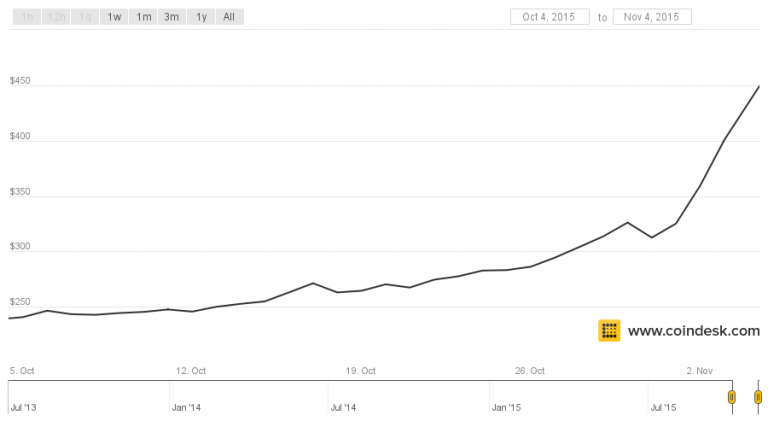
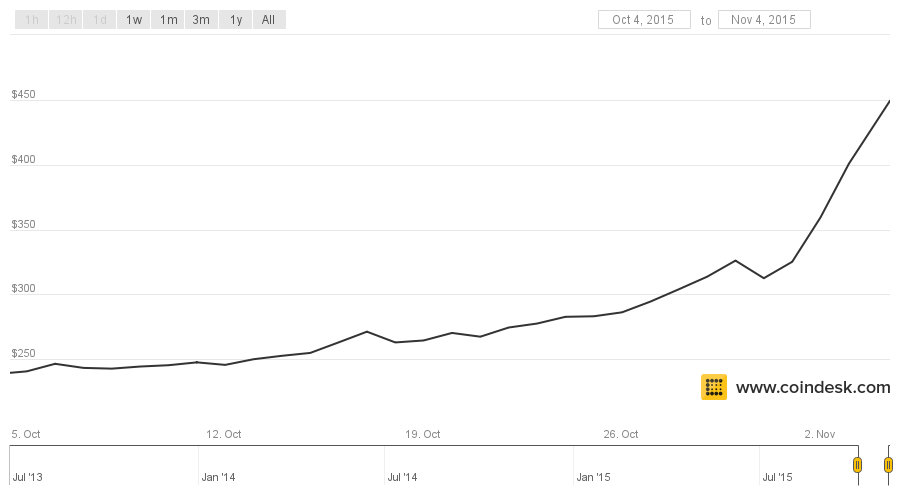
Buy bitcoin with ach instantly no verification opens the door to a seamless and rapid way of acquiring cryptocurrency. ACH transactions provide a unique blend of convenience and speed, enabling users to bypass lengthy verification processes that often plague traditional exchanges. This method not only simplifies the buying process but also ensures that you can dive into the world of Bitcoin quickly and efficiently.

With the increasing popularity of cryptocurrency, understanding how ACH transfers work in this context becomes crucial. Whether you are a seasoned investor or just starting your journey, knowing the advantages and potential pitfalls of using ACH for your Bitcoin purchases can help you make informed decisions.

Understanding ACH Transactions

ACH, or Automated Clearing House, transactions are electronic money transfers that facilitate the movement of funds between bank accounts in the United States. These transactions have gained popularity due to their efficiency and cost-effectiveness. When buying Bitcoin, ACH transfers provide a convenient way to convert traditional currency into cryptocurrency without the hassle of long wait times or excessive fees.The ACH transfer process involves several steps to ensure that funds are securely and accurately moved from one account to another.

Initially, the buyer initiates the transfer from their bank account to an exchange or platform that facilitates Bitcoin purchases. The request is then processed through the ACH network, which serves as a centralized clearing house for these transactions. Once the transfer is approved, it typically takes one to two business days for the funds to become available for the buyer to use in their desired cryptocurrency transaction.

Advantages of Using ACH for Cryptocurrency Purchases

Utilizing ACH transfers for purchasing Bitcoin comes with several distinct advantages that can enhance the overall buying experience. Here are some key benefits:

  • Lower Fees: ACH transactions often come with lower fees compared to credit card payments or wire transfers, making them a cost-effective choice for buying Bitcoin.
  • Instant Transfers: Some platforms may offer instant settlement on ACH transfers, allowing users to access their Bitcoin almost immediately after the transaction is initiated.
  • Security: ACH transfers are processed through secure banking networks, reducing the risk of fraud compared to less regulated payment methods.
  • Convenience: Many people already use ACH for various financial transactions, making it a familiar and straightforward method for purchasing cryptocurrencies.

The combination of these advantages makes ACH transactions an appealing option for both new and experienced cryptocurrency investors looking to acquire Bitcoin quickly and safely.

Instant Bitcoin Purchases

Instant Bitcoin purchases have revolutionized the way users engage with cryptocurrency, allowing for immediate access and transactions without the usual delays associated with traditional banking methods. This capability has become increasingly popular due to advancements in technology and the growing demand for seamless trading experiences.The concept of instant Bitcoin purchases is primarily facilitated through automated systems that leverage technologies such as blockchain, payment gateways, and real-time transaction processing.

These systems ensure that once a user initiates a purchase, the transaction is quickly verified and processed, allowing for instant availability of Bitcoin in the user’s wallet.

Methods for Instant Bitcoin Purchases Using ACH

To ensure Bitcoin can be purchased instantly using ACH (Automated Clearing House), several methods and technologies come into play. The following points highlight effective strategies for achieving instant transactions:

  • Direct Integration with ACH Payment Processors: Utilizing payment processors that support instant ACH transfers allows users to link their bank accounts directly, enabling rapid fund transfers for Bitcoin purchases.
  • Pre-authorization of Funds: Some platforms offer the ability to pre-authorize funds through ACH, ensuring that the necessary amount is readily available for instant transactions at the moment of purchase.
  • Utilizing Cryptocurrency Exchanges with Instant Buy Features: Many exchanges have developed features that allow users to buy Bitcoin instantly with ACH deposits, often by using their internal credit systems to facilitate immediate access to funds.
  • Smart Contracts: The use of smart contracts on blockchain platforms can expedite the purchasing process. These contracts automate the execution of trades once certain conditions are met, ensuring quick transitions between fiat and Bitcoin.

Potential Risks and Benefits of Instant Purchasing

Understanding the risks and benefits associated with instant Bitcoin purchases is crucial for users looking to engage in this space. The benefits include:

  • Immediate Access: Users can take advantage of market fluctuations without waiting for traditional banking processes, providing a competitive edge in trading.
  • Enhanced User Experience: The streamlined purchasing process boosts user satisfaction and engagement, making it easier for newcomers to enter the cryptocurrency market.
  • Increased Liquidity: Instant purchases contribute to higher liquidity in the market, allowing for quicker trades and better price stabilization.

However, there are also potential risks that users should be aware of:

  • Security Concerns: Instant transactions may expose users to increased security risks, particularly if the platform lacks robust security measures to protect sensitive information.
  • Market Volatility: Rapid price changes can lead to significant losses if a purchase is made during a market dip without proper risk management strategies.
  • Fraudulent Activities: Instant purchasing can attract fraudulent schemes, making it essential for users to conduct thorough research and use reputable platforms.

Instant Bitcoin purchases provide both an opportunity for quick transactions and a reminder of the importance of safety and vigilance in a fast-paced market.

No Verification Requirements

In the world of cryptocurrency exchanges, the term “no verification” refers to platforms allowing users to buy Bitcoin without requiring extensive identity checks or personal information. This aspect is particularly appealing for individuals who prioritize privacy and wish to make quick transactions without the hassle of lengthy verification processes.The implications of bypassing verification can be significant. On one hand, it offers convenience and expedites the buying process, allowing users to purchase Bitcoin almost instantly.

On the other hand, it raises concerns regarding security and regulatory compliance. Without verification, platforms may attract users who engage in fraudulent activities or money laundering, prompting scrutiny from financial regulators. Users should be aware of these risks and ensure they are using reputable platforms.

Platforms for ACH Bitcoin Purchases Without Extensive Verification

Several cryptocurrency platforms facilitate ACH transactions for purchasing Bitcoin while minimizing verification requirements. These platforms typically allow users to buy Bitcoin quickly, often within minutes of initiating the transaction. Here are some noteworthy options:

  • Cash App: This mobile payment service allows users to buy Bitcoin with little to no verification, especially for smaller transactions. It is user-friendly and facilitates instant purchases through ACH transfers.
  • Coinbase: While Coinbase usually requires some verification, it offers a feature called “Coinbase Pro” where users can trade with fewer restrictions, depending on the amount of Bitcoin they wish to purchase.
  • Binance: Known for its extensive cryptocurrency offerings, Binance allows ACH transfers with minimal verification for certain accounts, making it a popular choice among users seeking quick transactions.

Each of these platforms offers distinct advantages and varying levels of support, making it essential for users to explore their options and choose a service that aligns with their needs while ensuring a secure transaction environment.

“The ease of purchasing Bitcoin without verification can lead to both opportunities and risks in the cryptocurrency landscape.”

The Buying Process

Purchasing Bitcoin using ACH payments has become a streamlined process, allowing users to acquire cryptocurrency quickly and without extensive verification steps. This method is particularly beneficial for those seeking to invest in Bitcoin without the traditional complexities often associated with cryptocurrency exchanges. Understanding each step in the buying process is vital for a smooth transaction experience.When buying Bitcoin via ACH instantly, specific steps are involved that ensure a secure and efficient purchase.

Different platforms may have varying procedures, but the core steps generally remain consistent. Below is a detailed procedural list to guide you through the buying process.

Steps to Buy Bitcoin Using ACH Instantly

The following table Artikels the essential steps required to buy Bitcoin through ACH transactions, highlighting the actions needed at each stage of the process.

Step Description
1 Select a cryptocurrency exchange that supports ACH transactions.
2 Create an account on the selected platform, providing basic information such as your name and email.
3 Link your bank account by entering your ACH details, such as routing and account numbers.
4 Deposit funds into your account from your linked bank account via ACH transfer.
5 Once funds are available, navigate to the Bitcoin purchase section of the platform.
6 Select the amount of Bitcoin you wish to purchase.
7 Review the transaction details, including fees and total cost, before confirming the purchase.
8 Confirm the transaction to complete the purchase. Bitcoin will be credited to your account shortly.

In comparing the buying process across different platforms, it’s essential to note that while the steps above are standard, specific details may vary. Each platform may have its unique interface and user experience design. For example, platforms such as Coinbase may require additional identity confirmations, whereas others like Cash App allow for quicker transactions with minimal verification.Platforms such as Bitstamp and Binance also provide ACH options, but the underlying process remains similar.

Users should consider factors such as fees, processing times, and ease of use while selecting a platform for purchasing Bitcoin.

“Choosing the right platform can significantly enhance your Bitcoin purchasing experience, ensuring not only convenience but also security.”

Security Considerations

Purchasing Bitcoin with ACH offers a convenient method, but it also comes with its own set of security challenges. Ensuring the safety of your transactions and holdings is crucial in navigating the cryptocurrency landscape. This section discusses vital security measures, identifies common scams and frauds, and provides guidelines for managing your Bitcoin safely after purchase.

Security Measures for ACH Transactions

When engaging in ACH transactions for Bitcoin purchases, implementing robust security measures is essential to protect your financial information and cryptocurrency assets. Here are some key practices to consider:

  • Enable Two-Factor Authentication (2FA): Always opt for platforms that support 2FA, adding an extra layer of security to your account.
  • Use Reputable Exchanges: Conduct thorough research to ensure you are utilizing well-established and trustworthy exchanges known for their security protocols.
  • Monitor Account Activity: Regularly check your account for any unauthorized transactions or irregular activities, enabling swift action if needed.
  • Secure Your Email: Since many transactions require email confirmation, ensure your email account is secured with a strong password and 2FA.
  • Keep Software Updated: Always use the latest versions of wallets and security software to protect against vulnerabilities.

Common Scams and Frauds in ACH Transactions

Despite the increasing popularity of Bitcoin, ACH transactions can expose users to various scams. Understanding these threats is crucial to safeguarding your funds. Below are some common scams associated with ACH transactions in the crypto space:

  • Phishing Scams: Fraudsters often send fake emails or messages that mimic legitimate exchanges to steal your credentials.
  • Fake Exchanges: Some websites may appear legitimate but are designed to deceive users into providing payment information or transferring funds.
  • Promise of Guaranteed Returns: Be wary of schemes that promise high returns on Bitcoin investments; these are likely Ponzi schemes or scams.
  • Unsolicited Offers: Receiving unexpected offers for Bitcoin purchases or trades from unknown contacts can be a red flag indicating a scam.

Guidelines for Safely Managing Bitcoin After Purchase

Once you have successfully purchased Bitcoin, managing your assets safely is paramount. Following best practices can help you mitigate risks and enhance the security of your cryptocurrency investments. Consider the following guidelines:

  • Store Bitcoin in Secure Wallets: Use hardware wallets or reputable software wallets instead of keeping funds on exchanges, which are more susceptible to hacks.
  • Backup Your Wallet: Regularly back up your wallet’s private keys and recovery phrases to avoid loss in case of device failure.
  • Be Cautious with Public Wi-Fi: Avoid accessing your wallet or making transactions over public internet connections, which can be insecure.
  • Educate Yourself: Stay informed about the latest security trends and risks associated with cryptocurrency to make knowledgeable decisions.
  • Use Strong Passwords: Create complex passwords for all accounts related to cryptocurrency and change them periodically.

“Security in cryptocurrency is not just an option; it’s a necessity. Always prioritize safety measures to protect your investments.”

Regulatory Aspects

The legal landscape surrounding Bitcoin transactions, particularly when using ACH (Automated Clearing House) for purchases, is intricate and ever-evolving. As cryptocurrencies gain popularity, regulatory bodies across the globe are increasingly scrutinizing the mechanisms through which they can be bought and sold. Understanding these legal considerations is crucial for anyone looking to engage in swift Bitcoin transactions without extensive verification processes.Different regions impose varying regulations on cryptocurrency transactions, influenced by local laws, financial stability concerns, and consumer protection considerations.

Buyers should familiarize themselves with specific regulations applicable in their jurisdiction to navigate potential legal pitfalls effectively.

Legal Considerations in Various Regions

The regulatory environment for buying Bitcoin through ACH varies significantly from one region to another. Here are some key factors to consider:

  • United States: In the U.S., the Financial Crimes Enforcement Network (FinCEN) requires cryptocurrency exchanges to register as Money Services Businesses (MSBs). Additionally, states like New York have implemented their own BitLicense, requiring businesses to adhere to strict compliance measures.
  • European Union: The EU is in the process of implementing the Markets in Crypto-Assets (MiCA) regulation, which aims to provide a unified framework for crypto-assets. Individual countries may have additional regulations, so users should stay informed about local guidelines.
  • Asia-Pacific: Countries like Japan have embraced cryptocurrency regulation with a licensing system for exchanges, while others, such as China, have imposed strict bans on cryptocurrency transactions, affecting the ability to buy Bitcoin directly.

The impact of regulatory changes can significantly alter the landscape of instant Bitcoin purchases. For instance, if new regulations are introduced that require identity verification or impose additional fees, the convenience of buying Bitcoin instantly may be compromised, leading to longer processing times and potential barriers for users.

“Regulatory compliance can either facilitate or hinder the accessibility of Bitcoin transactions, especially regarding instant purchases.”

Staying abreast of these changes is vital for individuals and businesses engaged in cryptocurrency transactions. Being informed can help users adapt to new requirements, ensuring they can continue to buy Bitcoin through ACH efficiently and securely.

Conclusion

In conclusion, the ability to buy bitcoin with ach instantly no verification presents an exciting opportunity for those looking to engage with cryptocurrency without the usual barriers. By leveraging ACH transactions, you can enjoy a swift buying process while navigating the essential security and regulatory landscapes. As the digital currency market continues to evolve, staying informed will empower you to make the most of your buying experience.

Commonly Asked Questions

What are the benefits of using ACH to buy Bitcoin?

ACH transactions offer lower fees, faster processing times, and a more straightforward buying experience compared to other methods.

Are there risks involved in buying Bitcoin with no verification?

Yes, buying without verification can expose you to scams and limit your ability to recover funds in case of issues.

How long does it take to complete an ACH Bitcoin purchase?

While ACH transfers can be instant, the actual completion time may vary based on the platform used.

What platforms allow ACH Bitcoin purchases without verification?

Several platforms facilitate this process, including certain exchanges and peer-to-peer services, but always verify their credibility.

Can I use ACH to purchase other cryptocurrencies?

Many platforms that support ACH transactions also allow purchases of various cryptocurrencies beyond Bitcoin.

With bitcoin atm machine alabama leading the charge, crypto enthusiasts can easily access their digital currencies without the usual hurdles. These machines have transformed the way residents engage with Bitcoin, offering a level of convenience and accessibility that is hard to ignore.

From understanding the core functionalities of Bitcoin ATMs to exploring their growing presence in Alabama, this overview will shed light on how these machines operate, the benefits they offer, and their future in the state. Join us as we dive into the mechanics, locations, and potential of Bitcoin ATMs in Alabama.

Overview of Bitcoin ATM Machines

Bitcoin ATM machines are specialized kiosks that allow users to buy and sell Bitcoin and other cryptocurrencies using cash or debit cards. These machines provide a convenient way for individuals to engage with cryptocurrency without needing to set up online exchanges or wallets. By simplifying the transaction process, Bitcoin ATMs cater to both experienced crypto enthusiasts and newcomers alike.The functionality of Bitcoin ATMs varies by machine type, but generally, they allow users to perform a range of transactions.

Users can typically scan their digital wallets using QR codes, deposit cash, and receive Bitcoin directly into their wallets almost instantly. Many Bitcoin ATMs also provide the option to convert Bitcoin back into cash, facilitating an easy entry and exit point for users looking to engage with this digital asset.

Benefits of Using Bitcoin ATMs

Utilizing Bitcoin ATMs offers several distinct advantages, making them an appealing option for cryptocurrency transactions. Here are some key benefits:

  • Accessibility: Bitcoin ATMs are often strategically located in public areas like shopping malls, gas stations, and convenience stores, making them easily accessible for users who may not have internet access or prefer physical transactions.
  • Anonymity: Many machines allow users to conduct transactions without the need for extensive personal information, offering a level of privacy that traditional exchanges do not.
  • Speed: Transactions at Bitcoin ATMs are typically completed in a matter of minutes, providing quick access to Bitcoin for users who need immediate transactions.
  • User-friendly Interface: The interfaces on Bitcoin ATMs are designed to simplify the process, often featuring touch screens and clear instructions, making it easy for beginners to navigate their first transactions.

Common Features of Bitcoin ATMs

When exploring Bitcoin ATMs, individuals will notice a variety of common features that enhance the user experience. Understanding these features can help users maximize their transactions effectively. Here are some notable features frequently found in Bitcoin ATMs:

  • QR Code Scanner: This feature enables users to quickly scan their wallet addresses for seamless transactions, eliminating the risk of manual errors when entering wallet details.
  • Multi-Currency Support: Many Bitcoin ATMs allow users to buy and sell various cryptocurrencies, not just Bitcoin, including popular alternatives like Ethereum and Litecoin.
  • Transaction Receipts: After completing a transaction, users receive a printed receipt detailing the transaction, which serves as proof of the exchange for their records.
  • Real-Time Exchange Rates: Bitcoin ATMs usually display live market rates for cryptocurrencies, allowing users to understand the current value of their transactions.

“Bitcoin ATMs bridge the gap between traditional finance and digital currency, making cryptocurrency transactions accessible and user-friendly.”

Bitcoin ATM Machines in Alabama

Bitcoin ATM machines have become increasingly popular in Alabama, offering residents an accessible way to buy and sell Bitcoin. These machines are strategically located across various cities, catering to both seasoned crypto enthusiasts and newcomers eager to explore the world of digital currency. As the landscape of cryptocurrency continues to evolve, Bitcoin ATMs are playing a pivotal role in facilitating transactions and increasing awareness about Bitcoin.The growth of Bitcoin ATM installations in Alabama has been notable, reflecting a broader trend observed throughout the United States.

The installation numbers have surged in recent years, indicating a strong demand for cryptocurrency services. This growth can be attributed to several factors, including increased adoption of Bitcoin, greater public interest in cryptocurrencies, and advancements in technology that make it easier to operate these machines. In Alabama, cities like Birmingham, Huntsville, and Mobile have seen a significant number of installations, often located in convenience stores, gas stations, and shopping centers, making them easily accessible to the public.

Locations of Bitcoin ATM Machines in Alabama

In Alabama, Bitcoin ATMs are primarily located in urban areas and places with high foot traffic. These strategic placements ensure that residents have convenient access to cryptocurrency transactions. The following locations are notable for hosting Bitcoin ATMs:

  • Birmingham: Various locations within the city, including gas stations and retail stores.
  • Huntsville: Several ATMs available in shopping centers and local convenience stores.
  • Mobile: Accessible Bitcoin ATMs are found in popular areas frequented by residents and tourists alike.
  • Montgomery: A growing presence of Bitcoin ATMs in this capital city, providing easy access to crypto for locals.

As the demand for Bitcoin continues to rise, it is expected that more locations will adopt these machines to cater to the increasing user base.

Growth of Bitcoin ATM Installations in Alabama

The proliferation of Bitcoin ATMs in Alabama mirrors a national trend where the number of cryptocurrency ATMs has grown exponentially. In recent years, Alabama has seen a steady increase in Bitcoin ATM installations, which can be attributed to heightened interest in cryptocurrencies and technological advancements that simplify transactions.

“The number of Bitcoin ATMs in Alabama has nearly doubled in the past few years, reflecting the state’s growing embrace of digital currencies.”

This growth is not just about numbers; it represents a cultural shift as more people become interested in investing in and using digital assets. As of 2023, Alabama is witnessing an increase in both the number of operators and the variety of services offered, making Bitcoin more accessible to the public.

Regulatory Environment for Bitcoin ATMs in Alabama

Alabama’s regulatory framework regarding Bitcoin ATMs is evolving, with state authorities acknowledging the need for guidelines to ensure consumer protection and compliance. Operators of Bitcoin ATMs are required to adhere to state laws concerning money transmission, which includes registering with the Alabama Securities Commission and obtaining the necessary licenses.The regulatory environment aims to strike a balance between fostering innovation in the cryptocurrency space and safeguarding users against potential risks.

Compliance with Anti-Money Laundering (AML) and Know Your Customer (KYC) regulations is mandatory for operators, ensuring that transactions are monitored and that users are adequately identified.

“Alabama is actively working on regulations that support the growth of Bitcoin ATMs while prioritizing consumer safety.”

As Alabama continues to refine its approach to cryptocurrency regulation, operators and users alike can expect a clearer framework that promotes the responsible use of Bitcoin ATMs in the state.

How to Use a Bitcoin ATM

Using a Bitcoin ATM is a straightforward process, allowing users to buy or sell Bitcoin quickly and conveniently. Whether you’re a long-time crypto enthusiast or a newcomer, understanding the steps to effectively use a Bitcoin ATM is essential for a smooth transaction experience. This guide Artikels everything you need to know before you head out to your nearest Bitcoin ATM.

Step-by-Step Guide on Using a Bitcoin ATM

Before you approach a Bitcoin ATM, it’s important to be prepared. Here’s a detailed step-by-step guide to using a Bitcoin ATM successfully:

1. Locate a Bitcoin ATM

Use an online directory or a dedicated app to find the nearest Bitcoin ATM. Confirm the machine’s availability and operational status.

2. Prepare Your Wallet

Ensure you have a digital wallet set up on your smartphone or another device. You will need it to receive the Bitcoin you purchase or to send Bitcoin if you’re selling.

3. Verify Your Identity

Many Bitcoin ATMs require identity verification due to regulatory requirements. Be ready to scan your ID or provide your phone number for a verification code.

4. Select Your Transaction Type

Once at the ATM, choose whether you want to buy or sell Bitcoin. Follow the onscreen prompts to proceed.

5. Enter the Amount

Specify the amount of Bitcoin you wish to buy or sell. The ATM will display the equivalent value in your local currency.

6. Complete the Transaction

For purchases, either scan your wallet QR code or enter your wallet address. If selling, provide the necessary information to transfer Bitcoin to the ATM.

7. Receive Confirmation

After confirming the transaction, the ATM will process your request. You will receive a receipt or a confirmation on your smartphone, depending on the machine.

Necessary Preparations Before Visiting a Bitcoin ATM

Preparation is key to ensuring a smooth experience at the ATM. Consider the following steps before you leave:

  • Ensure your digital wallet is fully functional and you have access to it.
  • Keep any necessary identification documents ready for verification.
  • Understand the fees associated with the transaction, as Bitcoin ATMs often charge higher rates than online exchanges.
  • Check the operational hours and maintenance status of the ATM to avoid unnecessary trips.

Potential Issues and Resolutions at a Bitcoin ATM

While using a Bitcoin ATM is generally simple, users may encounter a few issues. Here are some common problems and how to address them:

Machine Out of Service

If the ATM is not functioning, look for another nearby machine. Utilizing ATM locator apps can help find operational machines easily.

Failed Transactions

In case of a failed transaction, check your network connection and ensure your wallet address is entered correctly. If issues persist, contact the ATM operator for assistance.

High Fees

Be aware of transaction fees before proceeding. If the fees are too high, consider using an online exchange instead.

Identity Verification Issues

If your ID is not being accepted, ensure it meets the ATM’s requirements. Double-check that the document is not expired or damaged.

By being well-prepared and informed about potential issues, using a Bitcoin ATM can be a quick and effective way to manage your cryptocurrency transactions.

Comparison Between Bitcoin ATMs and Online Exchanges

The rise of Bitcoin has led to various methods for buying and selling this digital currency, with Bitcoin ATMs and online exchanges being two of the most prominent options. Each method offers unique advantages and disadvantages, making them suitable for different scenarios. This section provides a detailed comparison of these two methods, focusing on convenience, transaction fees, and preferred usage scenarios.

Convenience of Use

When it comes to convenience, Bitcoin ATMs and online exchanges cater to different user preferences. Bitcoin ATMs provide a straightforward, physical interface that allows users to buy Bitcoin with cash or sell Bitcoin for cash in just a few minutes. This is particularly beneficial for those who may be unfamiliar with online platforms or prefer the tactile experience of handling cash transactions.

On the other hand, online exchanges offer the convenience of trading from anywhere with an internet connection. Users can execute trades at any time without being restricted to ATM locations or operating hours.

Transaction Fees

Understanding the fee structure for both options is crucial for users looking to maximize their investment in Bitcoin. Generally, Bitcoin ATMs tend to have higher transaction fees compared to online exchanges. Fees for Bitcoin ATM transactions can range from 5% to 15% of the transaction amount, depending on the operator and geographical location. In contrast, online exchanges usually charge lower fees, often between 0.1% and 1% per trade, making them more cost-effective for larger transactions.

However, users should be aware that some exchanges may have withdrawal fees or other hidden costs, which could impact overall expenses.

Preferred Scenarios for Each Option

Different situations might lead users to choose a Bitcoin ATM over an online exchange or vice versa. Bitcoin ATMs are ideal for users seeking immediate access to cash or those who prefer to remain anonymous during transactions, as they often do not require identity verification. This makes them suitable for quick, small purchases or sales. Conversely, online exchanges are preferred for users looking to make larger investments or trades, as they offer a wider range of cryptocurrencies and trading pairs, along with advanced trading tools and market analysis.

“Choosing between a Bitcoin ATM and an online exchange ultimately depends on individual needs: convenience, costs, and transaction size.”

In summary, both Bitcoin ATMs and online exchanges provide effective means of trading Bitcoin, and the choice between them largely depends on personal preferences and specific requirements.

Security Considerations for Bitcoin ATMs

The rise of Bitcoin ATMs has made it easier for users to buy and sell cryptocurrencies, but it also raises important security considerations. Understanding the security measures in place and practicing safe usage can help ensure that your transactions are protected and your personal data remains secure.Bitcoin ATMs have implemented various security measures to safeguard users and their transactions. These measures include encryption technologies, secure wallets, and transaction monitoring systems.

Most Bitcoin ATMs utilize two-factor authentication (2FA) to add an extra layer of security, ensuring that only authorized users can access their accounts. Additionally, many machines are equipped with anti-tampering features and surveillance cameras to deter potential theft or fraud.

Security Measures in Bitcoin ATMs

Several key security features are integrated into Bitcoin ATMs to protect users:

  • Encryption: Transactions conducted through Bitcoin ATMs are encrypted to prevent third-party interception and protect sensitive information.
  • Two-Factor Authentication: Many ATMs require users to verify their identities through 2FA, such as entering a code sent to their mobile devices.
  • Secure Wallets: Bitcoin ATMs often use secure wallets that are less vulnerable to hacking, ensuring that users’ funds are kept safe.
  • CCTV Surveillance: Many locations where Bitcoin ATMs are installed have surveillance cameras to monitor activities and deter criminal behavior.
  • Anti-Tampering Features: Bitcoin ATMs are designed with anti-tampering technology that alerts operators to any unauthorized access attempts.

User Safety Tips for Using Bitcoin ATMs

When using Bitcoin ATMs, it’s crucial to follow safety guidelines to mitigate risks. Here are some tips to help ensure a secure experience:

  • Use ATMs in Well-Lit Areas: Choose Bitcoin ATMs located in busy, well-lit areas to reduce the risk of theft or fraud.
  • Be Aware of Your Surroundings: Pay attention to your environment and the people around you while using the ATM to detect any suspicious behavior.
  • Keep Your PIN Confidential: Never disclose your pin or other sensitive information to anyone, and cover the keypad while entering your PIN.
  • Check for Tampering: Before using an ATM, inspect it for any signs of tampering or foreign devices that might capture your information.
  • Limit Cash Withdrawals: Withdraw only what you need to minimize the amount of cash you carry, reducing the potential loss in case of theft.

Protecting Personal Data During Transactions

Protecting personal data during Bitcoin ATM transactions is critical. Users should adopt the following practices to safeguard their information:

  • Avoid Public Wi-Fi: Do not use public Wi-Fi networks when accessing your cryptocurrency accounts or conducting transactions, as they may not be secure.
  • Use a VPN: A Virtual Private Network (VPN) can add an extra layer of security by encrypting your internet connection and masking your IP address.
  • Monitor Accounts Regularly: Keep track of your cryptocurrency accounts and transactions regularly to detect any unauthorized activity promptly.
  • Enable Notifications: Many cryptocurrency wallets allow users to set up notifications for transactions, which can help quickly identify suspicious activity.
  • Review ATM Privacy Policies: Familiarize yourself with the privacy policy of the ATM provider to understand how they handle and protect your data.

Future Trends of Bitcoin ATMs in Alabama

As the cryptocurrency landscape continues to evolve, Bitcoin ATMs are becoming an increasingly popular option for individuals looking to buy and sell Bitcoin. In Alabama, this trend is no different, with several factors contributing to the potential growth of Bitcoin ATMs in the state. By examining the expected advancements in technology, community interest, and adoption rates, we can gain insight into what the future holds for Bitcoin ATMs in Alabama.

Growth Trends for Bitcoin ATMs in Alabama

The increase in Bitcoin ATMs in Alabama is driven by a combination of market demand and technological progress. With the growing acceptance of cryptocurrencies among businesses and consumers alike, the number of Bitcoin ATMs is projected to rise significantly in the coming years. According to recent statistics, the total number of Bitcoin ATMs in the U.S. has grown exponentially, with Alabama expected to keep pace with national trends.

This growth indicates a strong interest among residents seeking accessible avenues for cryptocurrency transactions.

Technological Advancements Affecting Bitcoin ATMs

Technological innovations are crucial in shaping the future of Bitcoin ATMs. Some pertinent advancements include:

  • Enhanced Security Features: Many new Bitcoin ATMs are incorporating biometric authentication and advanced encryption techniques to ensure user safety and protect against fraud.
  • Multi-Currency Support: Upcoming Bitcoin ATMs are expected to support not just Bitcoin but also a wider range of cryptocurrencies, catering to the growing diversity of digital assets.
  • User-Friendly Interfaces: As the technology matures, Bitcoin ATMs will likely feature more intuitive designs, making the process of buying and selling cryptocurrencies even easier for novice users.
  • Integration with Mobile Wallets: Future ATMs may allow for seamless integration with mobile wallets, facilitating quick transactions and broader acceptance of Bitcoin in everyday life.

The implications of these advancements are significant, as they not only enhance the user experience but also address security concerns that have historically hindered cryptocurrency adoption.

Community Interest and Adoption Rates

Community interest in Bitcoin ATMs is steadily on the rise in Alabama, as evidenced by local events, educational workshops, and meetups centered around cryptocurrency. This grassroots enthusiasm is pivotal for driving adoption rates. Factors contributing to this community interest include:

  • Educational Efforts: Initiatives aimed at educating the public about cryptocurrency benefits and usage are fostering greater understanding and interest.
  • Local Business Partnerships: Collaborations between Bitcoin ATM operators and local businesses can enhance the visibility and accessibility of these machines, encouraging more residents to use them.
  • Social Media Influence: Increased discussions around Bitcoin on platforms like Twitter and Reddit are amplifying the cryptocurrency conversation, further enticing the local community to engage with Bitcoin ATMs.
  • Investment Trends: As more investors look to diversify their portfolios with cryptocurrencies, the demand for Bitcoin ATMs is likely to rise correspondingly.

Overall, as these trends converge, Alabama stands to see a significant uptick in Bitcoin ATM utilization, solidifying its position in the broader cryptocurrency ecosystem.

Case Studies of Bitcoin ATM Usage

Bitcoin ATMs have become an integral part of the cryptocurrency landscape in Alabama. Their presence has not only facilitated transactions for everyday users but has also positively impacted local businesses and the broader economy. This section explores various user experiences and success stories that highlight the significant role Bitcoin ATMs play in the state.

User Experiences with Bitcoin ATMs

Many users in Alabama have shared their experiences with Bitcoin ATMs, showcasing both the convenience and challenges of using these machines. For instance, a user from Birmingham recounted their first experience at a local Bitcoin ATM. The simplicity of the process impressed them, as they were able to purchase Bitcoin quickly without navigating complex online exchanges. They appreciated the physical interaction and the ability to receive cash instantly.

Similarly, a user in Montgomery described a seamless experience while converting Bitcoin back to cash. The ATM allowed them to withdraw cash on the spot, a feature that online exchanges typically do not provide. They noted that the ATM’s user-friendly interface made it easy for them, even as a first-time user.

Success Stories of Businesses Benefiting from Bitcoin ATMs

Businesses in Alabama have also found value in hosting Bitcoin ATMs. For example, a popular coffee shop in Huntsville installed a Bitcoin ATM and has seen increased foot traffic as a result. The owners reported that Bitcoin users often stop by to make purchases while withdrawing cash, benefiting both the ATM and the business. Another notable case involves a local convenience store in Tuscaloosa that integrated a Bitcoin ATM into its services.

The store has reported a significant uptick in sales, as cryptocurrency enthusiasts frequent the establishment not only to use the ATM but also to purchase snacks and other items. The combination of being a Bitcoin-friendly store and a place for everyday purchases has created a win-win situation for both the business and its customers.

Role of Bitcoin ATMs in Local Cryptocurrency Economies

Bitcoin ATMs contribute significantly to the local cryptocurrency economy in Alabama. They serve as gateways for individuals who may not have access to traditional banking services or those who prefer the anonymity that cash transactions provide. The presence of these ATMs encourages more people to explore cryptocurrencies, thereby expanding the user base.In addition to individual users, local businesses are leveraging the Bitcoin ATM ecosystem to attract more customers.

With increased awareness and accessibility, more residents are recognizing the utility of cryptocurrencies. As a result, local economies are becoming more intertwined with the global cryptocurrency market.

“The introduction of Bitcoin ATMs has transformed the way Alabamians engage with digital currencies, bridging the gap between traditional finance and the evolving world of cryptocurrency.”

Last Recap

In conclusion, the rise of bitcoin atm machine alabama signifies a pivotal moment in the accessibility of cryptocurrency for locals. As these machines become more prevalent and user-friendly, they present an exciting landscape for both newcomers and seasoned traders alike, fostering greater participation in the digital economy.

Query Resolution

What is a Bitcoin ATM?

A Bitcoin ATM is a machine that allows users to purchase Bitcoin and other cryptocurrencies using cash or debit cards.

Are Bitcoin ATMs safe to use?

Yes, Bitcoin ATMs implement various security measures, but users should always follow safety tips to protect their personal information.

How do I find a Bitcoin ATM in Alabama?

You can use online maps or specific cryptocurrency websites to locate Bitcoin ATMs near you in Alabama.

What fees are associated with using a Bitcoin ATM?

Fees can vary but are generally higher than those at online exchanges, often ranging from 5% to 10% of the transaction amount.

Can I sell Bitcoin at a Bitcoin ATM?

Yes, many Bitcoin ATMs allow users to sell Bitcoin for cash, depending on the machine’s functionality.

Navigating the world of cryptocurrency can be daunting, but understanding how to buy Bitcoin on Zelle can be surprisingly straightforward. This guide demystifies the process, exploring the potential benefits and pitfalls of using Zelle for Bitcoin transactions. We’ll compare it to other methods, highlighting security measures and alternative approaches.

Bitcoin, a decentralized digital currency, offers a unique financial alternative to traditional methods. Zelle, a mobile payment network, provides a convenient platform for peer-to-peer transfers. However, the two aren’t directly linked for Bitcoin transactions. This guide will investigate how Bitcoin can be acquired via a third-party platform and how Zelle could be potentially integrated into that process.

Introduction to Bitcoin and Zelle

Bitcoin is a decentralized digital currency, operating independently of central banks and financial institutions. It’s based on blockchain technology, a secure and transparent ledger that records transactions. This allows for peer-to-peer transactions without intermediaries, making it attractive for various financial applications. Bitcoin’s value is determined by market forces, fluctuating significantly over time. Its use cases extend from simple payments to complex financial instruments, like investments and micro-payments.Zelle is a mobile payment network enabling peer-to-peer money transfers between individuals and businesses.

It leverages existing bank accounts to facilitate these transfers, offering a convenient and often free way to send and receive funds electronically. Zelle operates within the established financial system, relying on banks for transaction processing. Its core function is to streamline the transfer of funds, reducing the need for physical checks or cash. The relationship between Bitcoin and Zelle is essentially nonexistent.

They operate on entirely different principles and serve distinct purposes within the financial landscape.

Bitcoin’s Nature and Use Cases

Bitcoin’s decentralized nature and blockchain technology underpin its core functionalities. Its open-source nature allows for transparency and auditability of transactions, enhancing security and trust. Transactions are verified and added to a public ledger, creating a tamper-proof record. Bitcoin’s limited supply (approximately 21 million coins) contributes to its perceived scarcity and potential as a store of value. It’s often used for cross-border payments, where traditional methods can be slow or costly.

Zelle’s Function and Purpose

Zelle operates within the traditional banking system, using existing bank accounts for transfers. This streamlined approach facilitates rapid, secure, and often free money transfers. Its ease of use and integration with mobile banking apps make it a popular choice for everyday transactions. Zelle primarily facilitates person-to-person (P2P) payments. Businesses can also use Zelle for payments and receiving payments, but often for smaller transactions or as a supplement to traditional methods.

Comparison of Bitcoin and Traditional Payment Methods

Feature Bitcoin Traditional Payment Methods (e.g., Checks, Credit Cards)
Decentralization Decentralized, no central authority Centralized, relying on banks or payment processors
Transaction Speed Variable, often faster than traditional methods for international transactions Variable, can be slow, especially for international transactions
Transaction Costs Generally low, but transaction fees can fluctuate Can be substantial, depending on the transaction type and location
Security High, based on cryptographic security Variable, depending on the method used and security measures in place
Regulation Highly variable, differing across jurisdictions Generally well-regulated, subject to various compliance requirements

This table highlights the key differences between Bitcoin and traditional payment methods. It emphasizes how Bitcoin’s decentralized structure contrasts with the centralized nature of traditional systems, and how transaction costs and speed can vary considerably.

Buying Bitcoin in General

Bitcoin, while becoming increasingly mainstream, still requires careful consideration. Different methods exist for acquiring it, and understanding the process is crucial for a secure and profitable investment. Choosing the right platform and implementing proper security measures are paramount to mitigating risks.Purchasing Bitcoin involves more than just a simple transaction. It requires understanding the intricacies of various exchanges, the steps involved in completing a trade, and the security protocols to safeguard your digital assets.

Thorough research and a proactive approach to security are key to a positive experience.

Alternative Methods for Purchasing Bitcoin

Several methods exist beyond the traditional exchange platform, though these often come with varying levels of convenience and associated costs. These include purchasing through brokers, using peer-to-peer (P2P) platforms, or utilizing cryptocurrency ATMs. Each method has its own advantages and disadvantages.

Steps for Purchasing Bitcoin on a Typical Exchange

  • Registering an account and verifying your identity is a critical first step. This verification process typically involves providing personal information and documents, like photo identification.
  • Depositing funds into your account using supported payment methods, like bank transfers, credit/debit cards, or wire transfers. The specific options vary between exchanges.
  • Navigating the exchange platform to locate the Bitcoin market and placing a purchase order. The order type (market or limit) influences how the transaction is executed.
  • Confirming the trade and ensuring the transaction details are accurate. This step emphasizes careful review before finalizing the purchase.
  • Receiving the Bitcoin into your designated digital wallet address on the exchange platform. This process completes the purchase.

Security Measures for Bitcoin Purchases

Implementing strong security measures is vital for protecting your Bitcoin holdings. Strong passwords, multi-factor authentication (MFA), and keeping your software updated are crucial. Avoid using public Wi-Fi when accessing your exchange accounts.

Factors to Consider When Choosing a Bitcoin Exchange

Selecting a reliable Bitcoin exchange is essential. Factors such as fees, security measures, trading volume, and user reviews should all be considered.

  • Fees: Transaction fees can vary significantly between exchanges. Lower fees typically translate to greater savings. Consider the transaction volume and associated costs when comparing different platforms. For example, a platform with a 0.5% fee on trades of over $10,000 may be more cost-effective than one with a 1% fee on smaller transactions.
  • Security Measures: A reputable exchange will employ robust security protocols. Look for features like cold storage, multi-factor authentication, and encryption. Research the exchange’s history and security measures to assess its reliability.
  • Trading Volume: High trading volume suggests a more active market, which can lead to greater liquidity and better pricing. Look for exchanges with a substantial daily trading volume to ensure you can buy and sell your Bitcoin easily.
  • User Reviews: Online reviews provide valuable insights into user experiences. Read reviews to gauge the platform’s reliability, customer support, and overall user experience. Pay attention to common complaints or issues raised by previous users.

Exploring Zelle and Bitcoin

Promotions

Zelle, a popular mobile payment app, allows for peer-to-peer (P2P) money transfers. Its ease of use has made it a common method for sending and receiving funds. However, Bitcoin, a decentralized digital currency, operates on a different framework. This section delves into the potential for using Zelle in Bitcoin transactions, exploring existing services and evaluating the associated benefits and drawbacks.The integration of Zelle with Bitcoin transactions is currently limited.

While Zelle facilitates quick and straightforward money transfers, its primary function is not cryptocurrency exchange. As such, direct Bitcoin purchases through Zelle are not a common practice. There are no widely recognized, established platforms that use Zelle as a primary payment method for Bitcoin. However, the potential for such a development exists, particularly as cryptocurrency adoption grows.

Zelle App Features

Zelle’s core function revolves around facilitating fast, secure P2P money transfers between individuals and businesses. Users can link their bank accounts to the Zelle app, enabling direct transfers to other Zelle users. Features include: real-time transaction confirmations, the ability to send money to anyone with a linked bank account, and detailed transaction histories. These features are geared towards efficient, direct financial exchanges within a conventional banking system.

Existing Bitcoin-Zelle Services

Currently, there are no widely adopted services that allow users to buy Bitcoin directly through the Zelle app. Any such services would need to address the fundamental differences in how Zelle and Bitcoin operate. While the potential exists for integration in the future, such an innovation would require substantial development and regulatory considerations.

Potential Benefits of Using Zelle for Bitcoin Transactions

A potential benefit of using Zelle for Bitcoin transactions would be the speed and convenience of the P2P transfer process. If integrated, it could provide a simple way for individuals to send and receive Bitcoin without navigating complex cryptocurrency exchange platforms. This could particularly appeal to those unfamiliar with the intricacies of cryptocurrency trading.

Potential Drawbacks of Using Zelle for Bitcoin Transactions

Potential drawbacks include security risks, and the need for trust between parties. Security concerns could arise if the Zelle system were to be compromised or if fraudulent transactions were to occur. Additionally, the lack of regulation surrounding Bitcoin transactions could lead to issues with enforcement. There is a risk that the existing financial regulations designed for fiat currencies may not be suitable for the unique nature of cryptocurrencies.

Pros and Cons of Using Zelle to Buy Bitcoin

Feature Pros Cons
Speed and Convenience Potentially faster transactions compared to traditional exchanges. May not be as secure as dedicated cryptocurrency exchanges.
Familiarity Zelle is a well-established payment app, potentially making the process more user-friendly for some. Potential for integration complexities due to the different systems.
Security Zelle utilizes security measures for bank transfers, potentially bolstering the security of transactions. Potential for fraud or security breaches if the integration is not robust.
Regulation Existing banking infrastructure might aid in regulatory compliance, but this is still a major consideration. Lack of clear regulatory frameworks for cryptocurrencies could cause complications.

The “How to Buy Bitcoin on Zelle” Concept

The concept of purchasing Bitcoin using the Zelle app is fundamentally flawed. Zelle is a peer-to-peer payment network designed for transferring money between bank accounts, not for cryptocurrency transactions. Attempting to use Zelle for Bitcoin purchases introduces significant security vulnerabilities and is strongly discouraged.

Potential Security Risks

Zelle’s primary function is secure person-to-person money transfers. It lacks the necessary infrastructure and security protocols for handling cryptocurrency transactions. Using Zelle for Bitcoin purchases opens users to a higher risk of fraud and scams. Bitcoin transactions are irreversible, and once a transfer is made, there’s no recourse to recover funds in case of fraud.

Steps in a Hypothetical Process

While a direct “how to” guide for buying Bitcoin with Zelle is impossible due to the app’s limitations, a theoretical, highly risky process might involve the following:

  • A seller might solicit Bitcoin buyers to initiate Zelle transfers to their bank account.
  • The buyer might then attempt to send funds through Zelle to the seller’s account, assuming they have a verifiable bank account.
  • The seller might subsequently transfer the Bitcoin from a separate exchange account to the buyer.

Avoiding Common Pitfalls

The most effective way to avoid pitfalls when purchasing Bitcoin is to use dedicated cryptocurrency exchange platforms. These platforms are specifically designed to facilitate secure transactions.

  • Verify the Platform’s Reputation: Thoroughly research and select reputable exchanges known for security and user protection.
  • Use Two-Factor Authentication (2FA): Enable 2FA for all accounts to add an extra layer of security.
  • Never Share Private Keys or Passwords: Avoid sharing sensitive information with unknown parties.
  • Be Cautious of Unusual Requests: Be wary of requests to use Zelle or other unconventional methods for Bitcoin transactions.

Potential for Scams and Fraudulent Activities

Scams involving Bitcoin purchases via Zelle are highly likely due to the lack of security measures inherent in using Zelle for cryptocurrency transactions.

  • Fake Sellers: Sellers might create fraudulent profiles and solicit Zelle payments to steal funds.
  • Phishing Attacks: Scammers might use Zelle as a means to trick users into revealing sensitive information, such as bank account details or passwords.
  • Fake Exchanges: Websites mimicking legitimate exchanges might lure users into providing Zelle payment information to steal funds.
  • Advance-Fee Scams: Fraudulent actors might request upfront payments as “fees” or “verification charges” to make Bitcoin transactions possible.

Alternatives and Comparisons

Buying Bitcoin via Zelle, while a relatively new approach, isn’t the only way to acquire this digital asset. Many established and well-regarded methods exist, each with its own set of advantages and disadvantages. Understanding these alternatives is crucial for making informed decisions about where to buy Bitcoin.A comprehensive comparison allows potential investors to evaluate the pros and cons of different platforms and tailor their choices to their specific needs and risk tolerance.

This section explores alternative methods and highlights key differences, ultimately assisting in selecting the most suitable approach for acquiring Bitcoin.

Alternative Bitcoin Purchase Methods

Several platforms and services facilitate Bitcoin purchases, each with its own approach and user experience. Understanding these methods will help you evaluate your options and make an informed decision.

  • Cryptocurrency Exchanges: Major cryptocurrency exchanges like Coinbase, Kraken, and Gemini offer a wide range of digital asset trading options, including buying and selling Bitcoin. They often boast advanced trading tools, high liquidity, and established security protocols. However, they typically require verification processes and may have associated fees. For instance, Coinbase is a popular exchange globally, known for its user-friendly interface and broad range of supported cryptocurrencies.

  • Bitcoin ATMs: Bitcoin ATMs provide a convenient, on-demand method for buying and selling Bitcoin using cash. Their availability varies geographically, but they’re often found in public locations like stores or convenience shops. This method often involves a fixed exchange rate and potentially higher transaction fees. A common advantage is the accessibility, especially for those who prefer a cash-based approach.

  • Peer-to-Peer (P2P) Platforms: P2P platforms like LocalBitcoins connect buyers and sellers directly, allowing for potentially lower fees compared to exchanges. However, the buyer assumes more responsibility for verifying the seller’s identity and the security of the transaction. Risk management is a crucial factor in these transactions. A seller might ask for payment in advance, and the buyer might have to transfer the funds directly to a specific bank account.

  • Brokerage Platforms: Some brokerage platforms now include Bitcoin as an investment option. These platforms often integrate seamlessly with existing accounts and may provide access to advanced trading tools. A notable aspect is the ease of integration with existing investment strategies.

Comparison Table

This table summarizes the key features of various Bitcoin purchase methods, including Zelle.

Method Pros Cons Typical Fees Security
Zelle Convenience, integration with existing bank accounts Limited availability, potential for fraud, and slower transaction times. Potentially low, or none if using bank transfers Moderate, relying on bank security protocols.
Crypto Exchanges High liquidity, advanced trading tools, established security Verification processes, potentially higher fees Variable, dependent on exchange and volume High, with robust security measures
Bitcoin ATMs Accessibility, cash transactions Fixed exchange rates, higher fees, limited hours of operation Variable, dependent on the ATM and volume Moderate, relying on ATM security
P2P Platforms Potentially lower fees, direct interaction Higher risk of scams, verification challenges Variable, often lower than exchanges Moderate to Low, depends on buyer/seller diligence.
Brokerage Platforms Seamless integration, potentially lower fees Limited support, less liquidity compared to exchanges Variable, dependent on the brokerage and volume Moderate, relying on brokerage security protocols.

Security and Risks

Bitcoin, while offering exciting opportunities, presents inherent security risks. These risks are amplified when employing less-secure methods for transactions, such as using consumer-facing payment apps for cryptocurrency purchases. Understanding these risks and implementing appropriate precautions is crucial for safe Bitcoin transactions.The decentralized nature of Bitcoin, while a strength in some aspects, can also lead to vulnerabilities. Transactions are irreversible, making them susceptible to fraud and scams.

Furthermore, the volatility of Bitcoin’s price exposes users to financial loss. The use of Zelle, a consumer payment platform, for Bitcoin purchases introduces additional complexities and potential risks.

Bitcoin Transaction Security Risks

Bitcoin transactions, by their nature, involve a high degree of trust in the network. However, several security concerns persist. Compromised wallets, phishing scams, and malicious actors targeting exchanges or payment processors are potential risks. Lack of regulatory oversight in the cryptocurrency market adds to the complexity and risk involved.

Zelle and Bitcoin: Specific Risks

Using Zelle to purchase Bitcoin introduces the vulnerabilities associated with both platforms. Zelle, designed for peer-to-peer payments, is not explicitly built for cryptocurrency transactions. This lack of integration might lead to complications in dispute resolution if issues arise. Further, the lack of built-in security measures for cryptocurrency transactions on Zelle exacerbates the inherent risks of Bitcoin itself.

Mitigating Risks in Bitcoin Purchases

Implementing robust security measures is paramount. Use reputable and secure Bitcoin exchanges or platforms whenever possible. This will help avoid risks associated with unauthorized access or malicious activity.

  • Secure Wallets: Employing strong, unique passwords and multi-factor authentication (MFA) for your wallets is essential. A cold storage wallet, disconnected from the internet, offers a significant layer of protection against online threats. Use reputable wallet providers and store your private keys securely.
  • Verify Transactions: Thoroughly review all transaction details before confirming any purchase. Double-check the recipient’s address and the amount being transferred. Be cautious of unsolicited requests for payments.
  • Research Platforms: Investigate the reputation and security measures of any platform or exchange you use. Look for reviews, security certifications, and user feedback before engaging in any transaction.

Safety Precautions for Cryptocurrency Transactions

A multifaceted approach is essential for mitigating the risks associated with cryptocurrency transactions. A combination of technical and behavioral precautions can minimize the likelihood of experiencing financial loss.

  • Avoid Suspicious Links: Do not click on suspicious links or download attachments from unknown sources. Be cautious of emails, messages, or social media posts that solicit cryptocurrency transactions.
  • Limit Information Sharing: Avoid sharing your private keys, wallet addresses, or sensitive information with untrusted individuals or entities.
  • Keep Software Updated: Regularly update your operating system, wallet software, and security applications to patch vulnerabilities and ensure maximum protection.
  • Diversify Investments: Don’t put all your funds into a single cryptocurrency or investment. Diversification can help mitigate the impact of price fluctuations.
  • Seek Professional Advice: Consult with a qualified financial advisor or cryptocurrency expert if you have concerns or questions about Bitcoin transactions.

Alternative Payment Methods

While Zelle can be used for Bitcoin purchases, alternative methods exist that may offer enhanced security and functionality. These include reputable cryptocurrency exchanges and specialized payment platforms designed for handling digital assets.

Illustrative Scenarios

Illustrative scenarios provide practical examples of Bitcoin purchases via Zelle, highlighting both successful transactions and potential pitfalls. Understanding these scenarios equips users with the knowledge to navigate the process safely and make informed decisions.

Successful Zelle Bitcoin Purchase

A user, Sarah, wants to acquire Bitcoin. She researches reputable Bitcoin platforms that support Zelle integration. She finds a platform offering a user-friendly interface for Bitcoin purchases. Sarah initiates a Zelle transfer to the platform, following the platform’s instructions carefully. The transaction is processed successfully within the stipulated timeframe.

Bitcoin is credited to her designated Bitcoin wallet address. The entire process is straightforward and efficient.

Security Risk: Zelle and Bitcoin

A user, David, attempts to purchase Bitcoin using Zelle. He encounters a fraudulent website mimicking a legitimate Bitcoin platform. The website accepts Zelle payments for Bitcoin. David, unaware of the scam, initiates a Zelle transfer. Unfortunately, the fraudulent website doesn’t deliver the Bitcoin.

Instead, David loses his funds. This scenario underscores the critical need to verify the legitimacy of Bitcoin platforms before making any Zelle transactions. Thorough research and verification of website addresses and platform reputations are essential to prevent fraudulent activities.

Alternative Bitcoin Purchase Method

Instead of using Zelle, a user, Emily, decides to utilize a peer-to-peer (P2P) exchange platform. She connects with a seller who lists Bitcoin for sale. Emily and the seller agree on a price and terms. Emily initiates the Bitcoin transfer from her bank account directly to the seller’s account using a secure P2P platform. This process bypasses Zelle and allows for a direct transaction.

Emily’s transaction is verified and processed by the platform, ensuring a secure and efficient alternative to Zelle.

Avoiding a Common Bitcoin Pitfall

A user, Michael, wants to buy Bitcoin quickly. He impulsively clicks on a seemingly attractive advertisement for a high-yield Bitcoin investment scheme. He transfers funds via Zelle to this scheme, anticipating a substantial return. However, this is a common investment scam. Michael loses his investment.

Avoiding such pitfalls requires due diligence. Michael should conduct thorough research on the platform before investing, verify the legitimacy of the platform, and consult with a financial advisor if needed.

Illustrative Visuals

Visual representations are crucial for understanding the complexities of buying Bitcoin through Zelle. These aids illustrate the process, highlighting potential pitfalls, and providing a clear path for users. They are particularly helpful in clarifying the steps and risks involved in a relatively new and complex financial transaction.

Hypothetical Platform User Interface

The platform’s interface should be intuitive and user-friendly. A clear visual hierarchy should guide users through the process. A prominent “Buy Bitcoin” button should initiate the transaction flow. A section displaying the current Bitcoin price and the amount available for purchase via Zelle is vital. The platform should clearly display the amount of Bitcoin the user will receive and the corresponding Zelle transaction details.

Input fields for desired Bitcoin quantity and Zelle account information should be easily accessible. Confirmation screens with all transaction details should be visible before finalizing the purchase.

Transaction Flow Diagram

The transaction flow diagram visually represents the steps involved in purchasing Bitcoin using Zelle. The diagram should start with a user selecting the desired Bitcoin amount and their Zelle account. The next step should illustrate the confirmation process, involving a clear display of the transaction details. The diagram would then show the transfer of funds from the user’s Zelle account to the Bitcoin platform.

Finally, the diagram should illustrate the Bitcoin being credited to the user’s Bitcoin wallet address. The entire process should be presented as a logical progression, ensuring a clear understanding of each stage.

Risk and Security Visualization

A visual representation of potential risks and security concerns should be included. This could be presented as a flowchart or a series of interconnected boxes, each representing a potential risk factor. One box could represent insufficient security measures, another the risk of fraudulent Zelle activity. Connecting lines could highlight the potential consequences of each risk, such as account compromise or Bitcoin loss.

This visual representation would highlight the importance of user vigilance and platform security measures.

Step-by-Step Buying Bitcoin Process Diagram

This diagram would illustrate the various steps involved in buying Bitcoin using the Zelle platform. It would begin with the user selecting “Buy Bitcoin” from the platform’s interface. The next step would show the user inputting the desired Bitcoin amount and the Zelle account they will use. This is followed by a detailed confirmation step showing the Bitcoin amount, the corresponding Zelle transaction details, and a final step displaying the user’s Bitcoin wallet address.

Finally, the user would confirm the purchase and receive their Bitcoin. This diagram should provide a visual walkthrough of the process.

Final Thoughts

In summary, while using Zelle directly for Bitcoin purchases isn’t a standard practice, alternative methods exist. We’ve examined the potential risks and rewards, along with safety precautions and alternative purchasing strategies. Understanding these nuances will equip you to make informed decisions when considering cryptocurrency investments.

FAQ Section

Can I buy Bitcoin directly with Zelle?

No, Zelle is not designed for buying cryptocurrencies. You need a separate platform to buy Bitcoin, and Zelle may or may not be a part of that process.

What are the common security risks when buying Bitcoin?

Common security risks include scams, phishing attempts, and the inherent volatility of cryptocurrency markets. It’s important to research and understand the risks involved before investing.

What are some alternative methods for buying Bitcoin?

Alternative methods include using cryptocurrency exchanges, peer-to-peer marketplaces, and some brokerage platforms. Thorough research is essential to find a reliable and secure option.

What are the steps to follow when purchasing Bitcoin through a third-party platform?

The steps typically involve creating an account, verifying your identity, depositing funds, and selecting the Bitcoin purchase option. The specific steps vary between platforms.

Exploring the potential of Apple Pay for Bitcoin transactions is an exciting area. This overview examines the current status of Apple Pay’s support for cryptocurrencies, considering various factors like security, transaction speeds, and potential future integration. We’ll delve into the practicalities of purchasing Bitcoin using Apple Pay, contrasting it with traditional methods, while also addressing security concerns and future possibilities.

The rise of Bitcoin and other cryptocurrencies has introduced a new dimension to digital finance. This evolution raises the question of how mainstream payment systems like Apple Pay might incorporate these innovative technologies. The integration of Bitcoin with Apple Pay is a subject of much discussion and debate, considering both the opportunities and challenges.

Bitcoin Purchasing Methods

Acquiring Bitcoin involves various methods, each with its own set of advantages and disadvantages. Understanding these options allows individuals to choose the best approach for their needs, considering factors like security, cost, and ease of use. This section provides a comprehensive overview of common methods, from traditional exchanges to newer, more innovative approaches.Different methods for buying Bitcoin cater to various needs and preferences.

Some methods emphasize speed and convenience, while others prioritize security and cost-effectiveness. This exploration delves into these nuances to provide a well-rounded understanding of the Bitcoin purchasing landscape.

Comparison of Bitcoin Purchasing Methods

Various avenues exist for acquiring Bitcoin, each with unique characteristics. Traditional methods, like cryptocurrency exchanges, have been established for years, providing a platform for buying and selling Bitcoin. Newer methods, such as peer-to-peer (P2P) platforms, offer alternatives with different levels of involvement. Understanding the diverse range of purchasing options empowers users to choose the method best suited to their financial goals and risk tolerance.

  • Cryptocurrency Exchanges: These platforms act as marketplaces for trading various cryptocurrencies, including Bitcoin. They often provide advanced tools and features for managing portfolios and trading, attracting both novice and experienced investors. A key benefit is the wide liquidity provided by these exchanges, ensuring you can typically buy or sell Bitcoin relatively quickly and efficiently.
  • Peer-to-Peer (P2P) Platforms: These platforms connect buyers and sellers directly, eliminating the intermediary role of exchanges. This direct approach can potentially offer lower fees compared to exchanges, although it introduces a greater level of risk due to the lack of platform safeguards. The user is responsible for verifying the seller’s legitimacy and ensuring a secure transaction.
  • Brokerage Platforms: Brokerages that support cryptocurrency trading offer a familiar interface to those accustomed to traditional financial markets. This familiarity can be a significant advantage for some investors, though it may come with brokerage fees in addition to any fees associated with the transaction itself.

Steps for Purchasing Bitcoin

Understanding the steps involved in purchasing Bitcoin using different methods is crucial. The process can vary depending on the chosen method, from completing account setups on exchanges to navigating peer-to-peer transactions. Clear and concise instructions ensure a smoother experience.

  1. On a Cryptocurrency Exchange:
    1. Create an account and verify your identity. This is a standard procedure for most reputable exchanges and helps ensure security for both the exchange and the user.
    2. Deposit funds into your exchange account using a supported payment method.
    3. Place an order to buy Bitcoin using the available order types.
    4. Review the order details and confirm the purchase.
  2. On a P2P Platform:
    1. Choose a platform and create an account.
    2. Select the Bitcoin listing from the available sellers.
    3. Review the seller’s profile and transaction history to assess their reliability.
    4. Negotiate the price and terms of the transaction with the seller.
    5. Complete the transaction using the platform’s secure payment methods.

Pros and Cons of Bitcoin Purchasing Methods

A comparison of different Bitcoin purchasing methods reveals a range of advantages and disadvantages. The table below highlights these aspects.

Method Pros Cons
Cryptocurrency Exchanges High liquidity, diverse trading tools, regulated in some jurisdictions. Fees, security risks if not choosing a reputable exchange.
P2P Platforms Potentially lower fees, direct interaction with sellers. Higher risk due to lack of platform safeguards, verification of seller’s legitimacy crucial.
Brokerage Platforms Familiar interface, often integrated with other financial products. Potential for higher fees compared to exchanges.

Fees Associated with Bitcoin Purchasing

Transaction fees vary significantly across different Bitcoin purchasing methods. The following table illustrates the fee structure for each method.

Method Typical Fees
Cryptocurrency Exchanges Trading fees, network fees, potential platform fees.
P2P Platforms Transaction fees, fees set by seller.
Brokerage Platforms Brokerage fees, network fees, potential platform fees.

Step-by-Step Guide to Buying Bitcoin on a Cryptocurrency Exchange

A structured approach simplifies the process of purchasing Bitcoin on a cryptocurrency exchange. Following these steps ensures a smoother experience.

  1. Account Creation and Verification: Create an account and verify your identity as per the exchange’s requirements.
  2. Fund Deposit: Deposit funds into your exchange account using a supported payment method.
  3. Order Placement: Place a market or limit order to purchase Bitcoin. Review order details carefully.
  4. Order Confirmation: Confirm the order after reviewing the transaction details.

Apple Pay Integration with Bitcoin

Currently, Apple Pay does not directly support Bitcoin transactions. This lack of native integration contrasts with the increasing popularity of Bitcoin and other cryptocurrencies as viable payment methods. While Apple Pay facilitates seamless transactions for traditional currencies, extending its capabilities to cryptocurrencies presents both exciting possibilities and considerable technical hurdles.The potential for a Bitcoin integration with Apple Pay is significant, offering a user-friendly platform for cryptocurrency transactions.

However, several factors must be addressed to ensure the successful and secure implementation of such a system. This includes robust security measures to protect user funds and streamlined transaction processing to maintain speed and efficiency.

Current Status of Bitcoin Support

Apple Pay currently only supports fiat currencies like USD, EUR, and GBP. Cryptocurrencies, including Bitcoin, are not directly supported as payment options within the Apple Pay ecosystem. This limitation restricts the direct use of Bitcoin for purchases facilitated through Apple Pay.

Potential Benefits of Bitcoin Integration

Integration of Bitcoin with Apple Pay could potentially enhance user experience by simplifying cryptocurrency transactions for everyday purchases. Bitcoin’s decentralized nature might also potentially reduce reliance on traditional financial institutions, offering greater financial freedom and control. The convenience of Apple Pay’s user interface could encourage wider adoption of Bitcoin among a broader demographic.

Potential Drawbacks of Bitcoin Integration

Security concerns related to cryptocurrency transactions, such as the risk of hacking and fraud, would need to be addressed. The volatility of Bitcoin’s price could also present challenges for users, as transaction values might fluctuate. Additionally, the complexities of cryptocurrency transaction processing and the need for secure integration with existing Apple Pay infrastructure could present significant technical hurdles.

Technical Challenges in Integration

Integrating Bitcoin with Apple Pay necessitates a secure and efficient method for handling cryptocurrency transactions. This includes implementing robust security protocols to protect user funds from unauthorized access and developing a streamlined transaction processing system. The inherent complexity of Bitcoin’s blockchain technology and the need for interoperability with Apple Pay’s existing infrastructure pose significant challenges. Ensuring secure storage and transfer of private keys associated with Bitcoin wallets within the Apple Pay ecosystem is critical.

Comparison of Bitcoin Transaction Speed and Security

Bitcoin transactions are generally slower compared to traditional payment methods like credit cards. Transaction times can vary, and the speed of confirmation depends on network congestion. Bitcoin’s security relies on the decentralized blockchain, offering high levels of security against fraud. However, the system’s security depends on the integrity of the entire network. This contrasts with traditional payment methods that typically have faster transaction speeds but potentially rely on centralized systems with varying levels of security.

Steps to Buy Bitcoin and Potential Apple Pay Integration

To buy Bitcoin, users typically navigate to a cryptocurrency exchange platform. This involves creating an account, verifying their identity, and depositing funds into the exchange account. Next, they can purchase Bitcoin using the deposited funds. Once the transaction is confirmed, the Bitcoin is typically transferred to a digital wallet. This process, while straightforward for experienced users, could potentially be streamlined if Apple Pay integrated with cryptocurrency exchanges.

A seamless integration could enable users to make Bitcoin purchases directly within the Apple Pay app, bypassing the need for separate platforms.

Buying Bitcoin in General

Bitcoin’s journey from a niche cryptocurrency to a globally recognized asset class has been remarkable. Its rise in popularity is often attributed to its decentralized nature, potential for high returns, and the growing interest in alternative investment avenues. Understanding the historical context provides a valuable framework for comprehending its current status and future prospects.The regulatory landscape surrounding Bitcoin purchases varies significantly across jurisdictions.

Some countries have embraced Bitcoin with relatively permissive regulations, while others have imposed strict controls or outright bans. This difference in approach stems from varying priorities regarding financial stability, consumer protection, and the unique characteristics of cryptocurrencies. Understanding these differences is crucial for anyone considering Bitcoin investments.

Historical Context of Bitcoin’s Rise

Bitcoin’s origins lie in the 2008 financial crisis, a period of significant economic uncertainty. The decentralized nature of Bitcoin, seemingly immune to the control of central banks and governments, resonated with many. Early adopters recognized its potential as a revolutionary financial technology. The increasing mainstream adoption, fueled by technological advancements and media coverage, further solidified its place in the financial landscape.

Regulatory Landscape Surrounding Bitcoin Purchases

Regulatory frameworks for Bitcoin purchases vary significantly. Some countries permit Bitcoin as a legal tender, while others have imposed restrictions on its use. Countries like the United States, for example, have a complex regulatory environment for Bitcoin, with different agencies like the SEC and the CFTC overseeing different aspects. This complexity highlights the ongoing evolution of regulatory approaches.

Canada and the European Union, on the other hand, have implemented frameworks to mitigate the risks associated with cryptocurrencies.

Types of Bitcoin Wallets and Their Security Features

Different types of Bitcoin wallets offer varying levels of security and user experience. Understanding these distinctions is crucial for safeguarding your digital assets. A hot wallet, for example, is connected to the internet, making it accessible but also more vulnerable to hacking. A cold wallet, on the other hand, is offline, offering enhanced security but requiring manual management of transactions.

Hardware wallets are a secure option that combines the offline nature of a cold wallet with the convenience of a physical device. This table summarizes the features of different types of Bitcoin wallets.

Wallet Type Security Features Accessibility Ease of Use
Hot Wallet Relatively lower cost, generally user-friendly High High
Cold Wallet High security, less susceptible to online attacks Low Low
Hardware Wallet High security, offline storage Medium Medium

Comparison of Cryptocurrency Exchanges for Bitcoin Purchases

Numerous cryptocurrency exchanges facilitate Bitcoin purchases. Choosing the right exchange depends on individual needs and priorities. Factors to consider include transaction fees, security measures, available trading pairs, and user experience. For example, some exchanges might offer specialized features like margin trading, while others might prioritize user-friendliness. Each exchange presents a unique set of advantages and disadvantages.

Security Considerations

Protecting your Bitcoin investments requires a multifaceted approach. Neglecting security measures can lead to significant financial losses. Understanding the risks and implementing robust security practices are crucial for anyone engaging in Bitcoin transactions.

Importance of Security Measures

Bitcoin, while offering potential financial freedom, comes with inherent security risks. Cybercriminals constantly devise new methods to exploit vulnerabilities, and safeguarding your Bitcoin holdings is paramount. Failure to prioritize security can result in irreversible loss of funds, making proactive security measures essential.

Security Best Practices

Implementing robust security practices is key to mitigating risks associated with Bitcoin purchases. These practices should encompass various aspects of your digital life. Prioritize strong passwords, enabling two-factor authentication (2FA), and regularly updating your software and hardware.

  • Use strong, unique passwords for all Bitcoin-related accounts. Avoid easily guessable passwords and consider using a password manager to generate and store complex passwords securely.
  • Enable two-factor authentication (2FA) whenever possible. This adds an extra layer of security, requiring a second verification step beyond your password.
  • Keep your software and hardware up-to-date with the latest security patches. Outdated systems are more vulnerable to exploits and malware.
  • Regularly review your account activity for any suspicious transactions. Promptly report any unusual activity to the platform.
  • Do not share your private keys or recovery phrases with anyone. These keys grant access to your Bitcoin holdings and must be kept confidential.

Types of Scams

Various scams target Bitcoin users. Understanding these scams is crucial for avoiding becoming a victim. Phishing scams, fake investment schemes, and romance scams are common tactics used to trick individuals into divulging sensitive information or transferring funds.

  • Phishing scams involve fraudulent emails, messages, or websites designed to trick you into revealing your login credentials or private keys.
  • Fake investment schemes often promise unrealistic returns on your Bitcoin investments, leading to financial loss.
  • Romance scams exploit relationships built online to manipulate victims into transferring funds.
  • Pump-and-dump schemes involve artificially inflating the price of a cryptocurrency to lure investors, followed by a rapid price drop, resulting in losses for the participants.
  • Fake exchanges or wallets are platforms designed to steal your funds.

Security Measures Table

The table below Artikels various security measures users should implement when dealing with cryptocurrencies, including Bitcoin. These measures help protect against a wide array of threats.

Security Measure Description Importance
Strong Passwords Use complex, unique passwords for all accounts. Protects against unauthorized access.
Two-Factor Authentication (2FA) Enable 2FA whenever available. Adds an extra layer of security.
Regular Software Updates Keep software updated with security patches. Addresses known vulnerabilities.
Regular Account Monitoring Review account activity for suspicious transactions. Detects potential fraudulent activities.
Secure Storage Keep private keys and recovery phrases safe. Protects against loss or theft of funds.

Choosing Reputable Platforms

Reputable Bitcoin platforms are essential for secure transactions. Researching and verifying the platform’s security measures, customer reviews, and regulatory compliance is crucial. Avoid platforms with poor reviews or lack of transparency.

  • Verify the platform’s security measures by checking for security certifications and audits.
  • Read reviews from other users to assess the platform’s reliability and customer service.
  • Ensure the platform complies with relevant regulations and adheres to industry best practices.
  • Consider using platforms with secure payment gateways and robust transaction verification systems.

Future of Bitcoin Purchases

The future of Bitcoin purchases hinges on its ability to seamlessly integrate with mainstream payment systems. Current limitations, such as the complexities of Bitcoin transactions and the need for specialized wallets, act as barriers to broader adoption. However, technological advancements and evolving consumer preferences suggest a path toward increased accessibility and integration.The integration of Bitcoin with other financial technologies presents a multitude of possibilities.

Imagine a future where Bitcoin is used alongside existing payment methods, offering consumers diverse options for transactions. This could significantly impact the way people manage their finances, especially in a world increasingly reliant on digital solutions.

Potential Integration with Mainstream Payment Systems

Bitcoin’s future adoption will largely depend on its compatibility with widely used payment systems. This integration would facilitate easier transactions for consumers accustomed to established platforms. For example, the development of payment processors that support Bitcoin alongside traditional currencies like USD or EUR would be a significant step forward. This would eliminate the need for users to navigate complex conversion processes or manage separate accounts.

This increased ease of use would encourage more individuals to consider Bitcoin as a legitimate payment method.

Impact of Bitcoin’s Integration with Other Financial Technologies

Bitcoin’s integration with other financial technologies, such as blockchain-based solutions for supply chain management or decentralized finance (DeFi) platforms, could revolutionize how businesses and individuals conduct transactions. For instance, secure and transparent tracking of goods across supply chains through blockchain technology, combined with Bitcoin payments, could offer greater efficiency and security. Similarly, the growth of DeFi platforms using Bitcoin could open up access to financial services for those previously excluded from traditional banking systems.

Technological Advancements Shaping Future Purchasing Methods

Technological advancements will play a crucial role in shaping future Bitcoin purchasing methods. The development of user-friendly mobile wallets, alongside innovations in secure transaction processing, will likely drive broader adoption. Furthermore, the emergence of more efficient and accessible payment gateways, designed specifically for Bitcoin transactions, will streamline the process. Examples include integration with existing mobile payment systems like Apple Pay or Google Pay.

Factors Influencing Bitcoin’s Adoption Growth

Several factors will influence the growth of Bitcoin’s adoption in the future. Government regulations and policies play a critical role in shaping market confidence and opportunities. Positive regulatory frameworks that encourage innovation while ensuring consumer protection would be highly beneficial. Additionally, public awareness campaigns aimed at demystifying Bitcoin and its potential applications will be crucial. Finally, successful real-world use cases showcasing the practical benefits of Bitcoin transactions can greatly influence public perception and drive wider adoption.

Challenges and Opportunities Related to Bitcoin’s Future Development

Challenges remain in Bitcoin’s future development. Volatility in the cryptocurrency market continues to be a concern for potential users. Addressing this volatility through innovative hedging strategies or stablecoin integration would enhance Bitcoin’s appeal. Moreover, the need for enhanced security measures to protect against fraudulent activities and hacking attempts will be critical to ensuring user trust. The opportunities presented by Bitcoin’s integration with other financial technologies are substantial.

This includes the potential to democratize access to financial services and foster innovation across various sectors.

Closure

Aluminum Milk Can at ₹ 3000 | Samrath Pur | Auraiya | ID: 23766897862

In conclusion, while Apple Pay’s integration with Bitcoin remains a possibility, several factors, including regulatory hurdles and technical complexities, need to be addressed. The potential benefits are substantial, but the path forward hinges on overcoming the existing hurdles. This exploration offers insights into the current landscape of Bitcoin purchases, considering both traditional and emerging methods.

Question & Answer Hub

Is Apple Pay currently compatible with Bitcoin purchases?

No, Apple Pay does not currently support direct Bitcoin purchases. However, some third-party apps might allow for such transactions, but they are not officially supported by Apple.

What are the potential security risks of buying Bitcoin with Apple Pay?

Security is paramount. Any potential Apple Pay integration with Bitcoin would need robust security measures to protect user funds and data. Scams and fraudulent activities are a significant concern in the cryptocurrency market.

How does the transaction speed of Bitcoin compare to traditional payment methods?

Bitcoin transactions can be slower than traditional payment methods like credit cards. Transaction speeds are a key consideration in the decision-making process regarding adoption.

What are the different types of Bitcoin wallets, and how secure are they?

Different Bitcoin wallets offer varying levels of security. Hardware wallets are generally considered more secure than software wallets. Choosing a reputable wallet provider is crucial.